
Owning a high-end estate in the countryside represents the pinnacle of luxury living, offering privacy, prestige, and an escape from urban life. However, the dream of countryside estate ownership comes with substantial ongoing financial commitments that extend far beyond the initial purchase price. Understanding the true cost of maintaining a high-end estate in the countryside is essential for prospective buyers and current owners who want to preserve their investment while enjoying their property to its fullest potential.
The allure of expansive grounds, historic architecture, and complete privacy draws many affluent individuals to countryside estates. Yet the reality of estate ownership involves a complex web of maintenance responsibilities, from preserving centuries-old structures to managing vast landscapes and ensuring modern amenities function seamlessly. These costs can vary dramatically based on the estate’s size, age, location, and the owner’s expectations for upkeep standards.
Unlike urban luxury properties where maintenance might focus primarily on interior spaces and building systems, countryside estates demand attention to multiple interconnected elements. Owners must consider everything from roof repairs on historic buildings to maintaining miles of fencing, from managing woodland areas to ensuring proper drainage across hundreds of acres. The seasonal nature of countryside living also introduces cyclical maintenance demands that require careful planning and budgeting.
Professional estate management has become increasingly sophisticated, with specialized service providers offering comprehensive solutions for high-net-worth individuals. However, even with expert assistance, estate owners need to understand the various cost categories and budget accordingly. The investment in proper maintenance not only preserves the estate’s value but often enhances it significantly over time, making informed financial planning crucial for successful estate ownership.
Key Takeaways
For additional context, see this comprehensive guide.
- Annual maintenance costs typically range from 1-3% of the estate’s total value, with larger and older properties often requiring higher percentages due to increased complexity and specialized care requirements.
- Grounds maintenance represents the largest ongoing expense category, encompassing landscaping, lawn care, tree management, and seasonal cleanup across potentially hundreds of acres of diverse terrain.
- Historic property preservation requires specialized expertise and premium materials, often costing 2-5 times more than standard maintenance due to heritage compliance requirements and traditional craftsmanship needs.
- Utility costs scale dramatically with property size and amenities, including heating large spaces, maintaining multiple buildings, and powering extensive outdoor lighting and irrigation systems.
- Security systems and personnel represent significant ongoing investments, particularly for high-profile owners or estates with valuable collections, art, or equipment requiring protection.
- Seasonal preparation and weather-related maintenance create cyclical cost spikes, requiring budget reserves for storm damage, winter preparations, and spring restoration projects.
- Professional estate management services provide cost efficiency and expertise, typically charging 8-15% of total maintenance costs while delivering specialized knowledge and vendor relationships.
- Technology integration and modern amenities require ongoing updates and support, from smart home systems to high-speed internet infrastructure across large properties.
Overview of Estate Maintenance Categories
For additional context, see detailed information on this topic.
The cost of maintaining a high-end estate in the countryside encompasses numerous interconnected categories, each requiring specialized attention and budget allocation. Understanding these categories helps estate owners develop comprehensive maintenance strategies and realistic financial projections for long-term ownership success.
Structural maintenance forms the foundation of estate care, involving everything from roof repairs and foundation work to window restoration and exterior painting. Historic estates often require specialized materials and craftspeople familiar with traditional building techniques, significantly increasing costs compared to modern construction. Regular structural inspections and preventive maintenance help avoid catastrophic failures that could cost hundreds of thousands of dollars to remedy.
Mechanical systems maintenance covers heating, ventilation, air conditioning, plumbing, and electrical systems across multiple buildings. Large estates often feature complex zoned systems, backup generators, and specialized equipment like wine cellar climate control or pool systems. Professional service contracts and regular inspections ensure these systems operate efficiently while preventing costly emergency repairs.
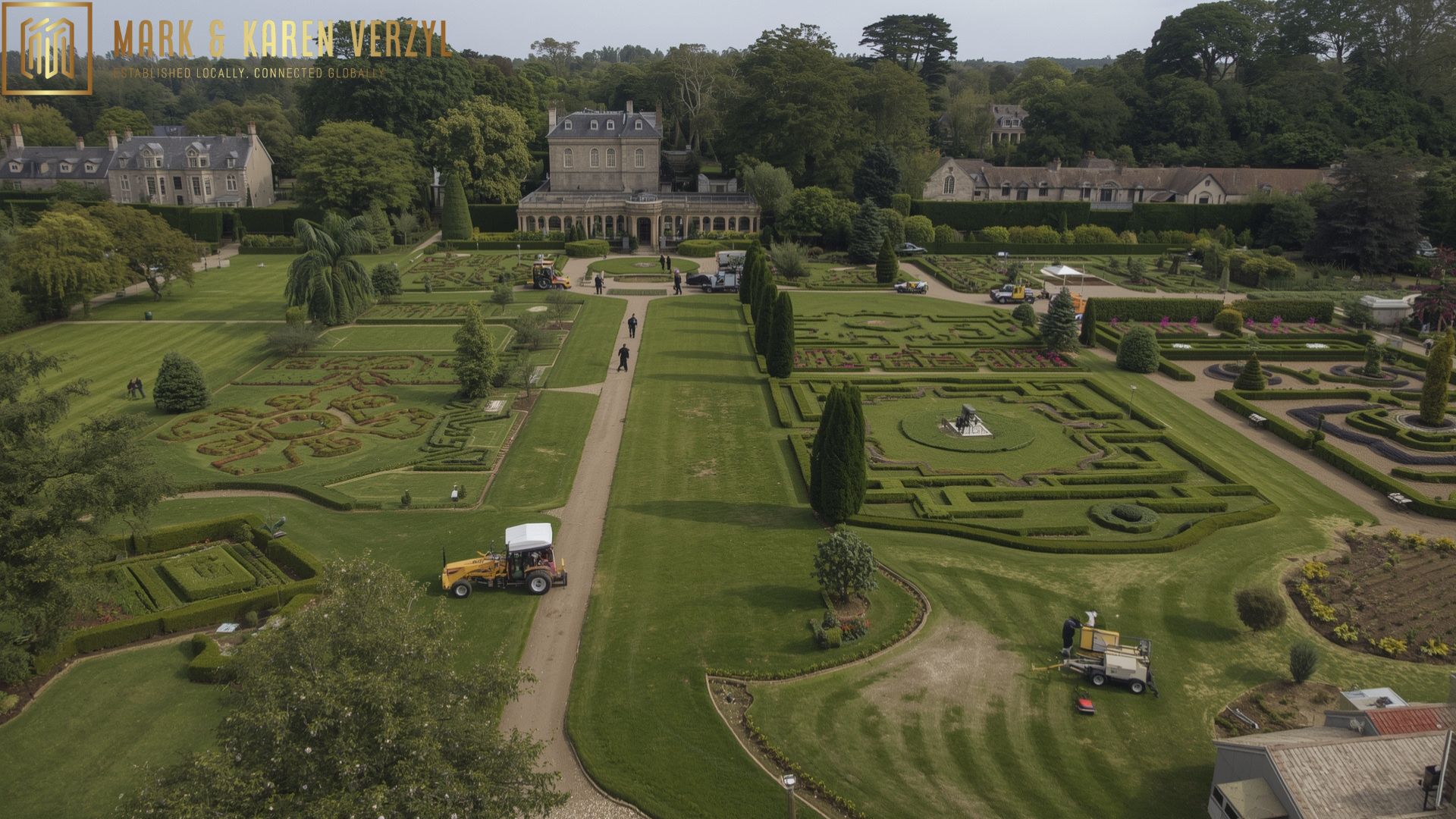
Grounds and landscape maintenance represents perhaps the most visible aspect of estate care, involving everything from lawn mowing and garden care to tree pruning and pest management. The scale of countryside estates means this category often requires full-time staff or comprehensive service contracts with landscape professionals. Seasonal variations in maintenance needs create budget fluctuations that owners must anticipate and plan for accordingly.
Grounds and Landscape Maintenance Costs
For additional context, see our in-depth resource.
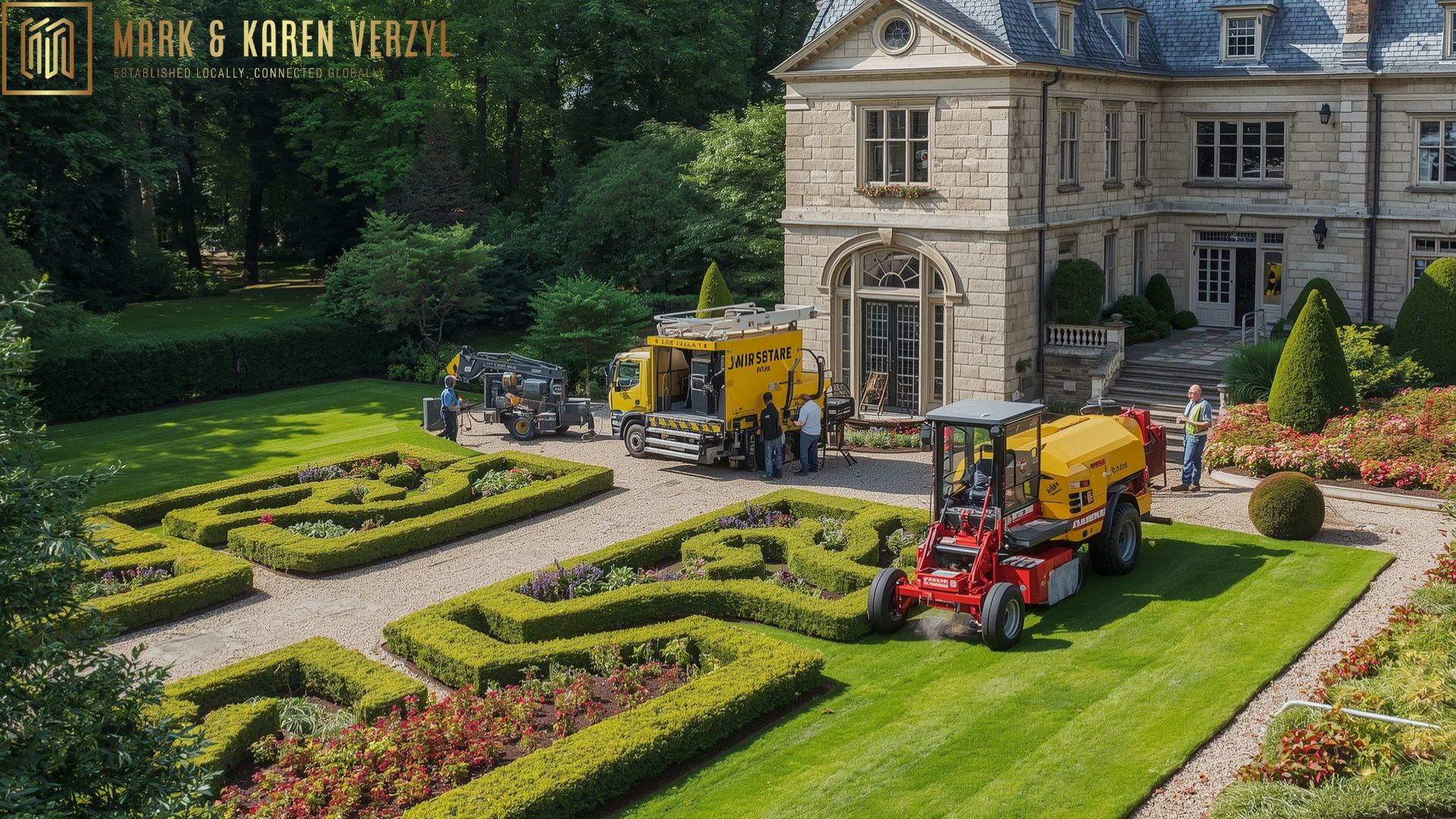
Grounds maintenance represents the most substantial ongoing expense for countryside estate owners, often accounting for 40-60% of total annual maintenance costs. The scope and complexity of landscape care scale dramatically with property size, with estates ranging from 50 acres to several hundred acres requiring increasingly sophisticated management approaches and equipment investments.
Professional landscape maintenance for high-end estates typically costs between $15,000 to $50,000 annually per maintained acre, depending on the complexity of gardens, the presence of water features, and the desired level of presentation. Formal gardens with intricate plantings, topiary work, and seasonal displays command premium pricing due to the specialized knowledge and frequent attention required. Many estates employ full-time groundskeeping staff, with head groundskeepers earning $60,000 to $100,000 annually, plus additional seasonal workers during peak maintenance periods.
Tree management constitutes a significant component of grounds maintenance, particularly for estates with mature woodland areas or historic specimen trees. Professional arborists charge $150 to $500 per hour for specialized services like crown reduction, disease treatment, or hazardous tree removal. Large estates often maintain annual contracts with certified arborists, budgeting $10,000 to $30,000 yearly for comprehensive tree care programs that include regular health assessments and preventive treatments.
Seasonal maintenance creates predictable cost spikes throughout the year, from spring cleanup and planting to fall leaf removal and winter preparation. Snow removal alone can cost $5,000 to $15,000 annually for estates with extensive driveways and pathways. Irrigation system maintenance, including winterization and spring startup, typically runs $2,000 to $8,000 annually depending on system complexity and coverage area. These seasonal demands often require budget reserves to handle unexpected weather events or equipment failures during critical maintenance periods.
Building and Infrastructure Maintenance
Building maintenance for countryside estates involves unique challenges that distinguish it from typical residential property care. Historic estates often feature construction methods and materials that require specialized knowledge and premium costs for proper preservation. Stone masonry, slate roofing, and traditional timber framing demand craftspeople with specific expertise, often commanding rates 50-100% higher than standard construction trades.
Roof maintenance represents one of the most critical and expensive building maintenance categories. Slate roofs, common on historic estates, require specialized contractors and can cost $15 to $25 per square foot for repairs, with complete replacement reaching $30 to $50 per square foot. Large estate buildings may have 10,000 to 30,000 square feet of roofing, making roof projects major capital expenditures. Regular inspections and preventive maintenance help extend roof life and identify problems before they cause interior damage.
Heating and cooling systems for large estate buildings operate on scales that dwarf typical residential installations. Boiler systems for historic estates often require specialized maintenance contracts costing $5,000 to $15,000 annually, with fuel costs for large buildings ranging from $15,000 to $40,000 yearly depending on size and insulation quality. Modern climate control systems for wine cellars, art storage, or greenhouse facilities add additional complexity and cost to mechanical system maintenance.
Window and door maintenance for historic estates involves specialized restoration techniques and materials. Hand-blown glass, custom millwork, and period hardware require expert restoration services that can cost $500 to $2,000 per window for comprehensive refurbishment. Large estates with hundreds of windows often budget $20,000 to $50,000 annually for ongoing window maintenance and restoration projects. Proper maintenance preserves the historic character while improving energy efficiency and security.
Staffing and Professional Services
Professional staffing represents a significant component of estate maintenance costs, with many high-end countryside properties requiring dedicated personnel to manage daily operations and specialized maintenance tasks. The decision between employing full-time staff versus contracting services depends on estate size, complexity, and owner preferences for direct control versus professional management.
Estate managers serve as the central coordination point for all property maintenance activities, typically earning $80,000 to $150,000 annually depending on property complexity and regional markets. Experienced estate managers bring valuable vendor relationships, maintenance expertise, and project management skills that often result in cost savings that offset their compensation. They coordinate seasonal maintenance schedules, manage contractor relationships, and ensure consistent quality standards across all maintenance activities.
Groundskeeping staff requirements vary dramatically with property size and maintenance standards. A head groundskeeper for a large estate typically earns $60,000 to $100,000 annually, with additional seasonal workers adding $30,000 to $80,000 in annual labor costs. Some estates employ specialized staff for specific functions like greenhouse management, pool maintenance, or equipment operation, each requiring different skill sets and compensation levels.
Professional service contracts provide access to specialized expertise without the overhead of full-time employees. Landscape maintenance contracts typically cost $200 to $500 per acre monthly for comprehensive care. HVAC service contracts range from $5,000 to $15,000 annually for large estates with complex systems. Security monitoring services cost $200 to $800 monthly depending on system complexity and monitoring level. These contracts often provide better cost predictability and access to specialized equipment and expertise than attempting to manage all services internally.
Utilities and Operating Expenses
Utility costs for countryside estates scale dramatically compared to typical residential properties, often representing 15-25% of total annual maintenance expenses. The combination of large building footprints, multiple structures, extensive outdoor lighting, and specialized systems creates utility demands that can reach $3,000 to $8,000 monthly for substantial estates.
Heating costs dominate winter utility expenses, particularly for historic buildings with limited insulation and large interior volumes. Oil, propane, or natural gas heating bills can reach $2,000 to $5,000 monthly during peak winter months for estates with 15,000 to 30,000 square feet of heated space. Geothermal systems and high-efficiency equipment help reduce these costs but require significant capital investment and ongoing maintenance contracts.
Electrical consumption includes not only building lighting and appliances but also extensive outdoor lighting systems, irrigation pumps, pool equipment, and security systems. Monthly electrical bills for large estates typically range from $800 to $2,500, with seasonal variations based on heating, cooling, and irrigation demands. Many estates invest in solar panel systems or backup generators, adding both capital costs and ongoing maintenance requirements to the utility budget.
Water and sewer costs vary significantly based on local utility rates and estate water usage patterns. Irrigation systems for extensive grounds can consume thousands of gallons daily during growing season, while pools, fountains, and other water features add constant demand. Well water systems require regular testing and maintenance, while septic systems need periodic pumping and inspection. These costs often reach $300 to $1,000 monthly depending on usage patterns and local utility rates. For those considering luxury property investments, understanding these operational costs is crucial, and you might find our detailed comparison of luxury market expenses helpful for budgeting purposes.
Security and Technology Systems
Modern estate security systems represent sophisticated investments that require ongoing maintenance, monitoring, and periodic upgrades to remain effective. The remote nature of countryside estates and the high value of property and contents make comprehensive security systems essential for protecting both physical assets and ensuring owner peace of mind.
Perimeter security systems for large estates involve multiple technologies including motion sensors, cameras, and access control systems covering potentially miles of boundary. Installation costs for comprehensive systems range from $50,000 to $200,000 depending on property size and technology sophistication. Annual monitoring and maintenance contracts typically cost 10-15% of system value, with additional costs for periodic upgrades and expansion as technology evolves.
Video surveillance systems for estates require extensive camera networks, storage systems, and monitoring capabilities. High-definition cameras suitable for large property coverage cost $500 to $2,000 each, with estates often requiring 20-50 cameras for comprehensive coverage. Network video recording systems and storage infrastructure add $10,000 to $30,000 to initial costs, with ongoing maintenance and storage management creating annual expenses of $3,000 to $8,000.
Smart home technology integration allows centralized control of lighting, climate, security, and entertainment systems throughout large estates. Professional installation and programming of comprehensive smart home systems costs $25,000 to $75,000 for large estates, with annual support and maintenance contracts ranging from $3,000 to $8,000. Regular software updates, equipment replacement, and system expansion ensure these technologies continue meeting owner needs and security requirements. Those planning major property investments should consider specialized relocation services that can help coordinate these complex technology installations during the moving process.
Seasonal and Emergency Maintenance
Countryside estates face unique seasonal maintenance challenges that create predictable cost cycles and require budget reserves for unexpected weather-related damage. The scale and exposure of large properties make them particularly vulnerable to storm damage, while seasonal transitions demand extensive preparation and restoration activities.
Winter preparation involves numerous systems and areas requiring professional attention before cold weather arrives. Irrigation system winterization prevents freeze damage and typically costs $1,000 to $3,000 depending on system complexity. Pool closing and equipment winterization adds $500 to $1,500 annually. Heating system inspection and preparation costs $500 to $2,000 per building, while snow removal equipment preparation and contracts add $2,000 to $8,000 to winter budgets.
Spring restoration activities reverse winter preparations and address any damage from harsh weather conditions. Irrigation system startup and testing costs $800 to $2,500, while landscape cleanup and restoration can range from $5,000 to $15,000 depending on winter damage and property size. Pool opening and equipment startup adds $800 to $2,000 to spring expenses. Tree damage assessment and removal often represents the largest variable spring expense, potentially reaching $10,000 to $30,000 for estates with extensive mature trees.
Emergency maintenance reserves should account for 15-25% of annual maintenance budgets to handle unexpected repairs from storms, equipment failures, or other urgent issues. Roof repairs from storm damage can cost $5,000 to $25,000 depending on extent and building size. Tree removal after storm damage ranges from $1,000 to $5,000 per tree depending on size and complexity. Flood damage remediation, power outage generator repairs, and other emergency situations require immediate professional response that commands premium pricing but protects against more extensive damage.
Working with Mark Verzyl
Mark Verzyl brings extensive experience in luxury real estate markets and understands the unique considerations facing countryside estate owners and prospective buyers. His expertise in high-end property transactions includes comprehensive knowledge of the ongoing costs and maintenance requirements that define successful estate ownership.
For clients considering countryside estate purchases, Mark provides detailed analysis of maintenance cost projections based on property characteristics, local service availability, and individual lifestyle preferences. This analysis helps buyers understand the true cost of ownership beyond the purchase price, ensuring informed decisions that align with long-term financial planning and lifestyle goals.
Mark’s network of estate management professionals, specialized contractors, and luxury property services provides clients with access to vetted service providers who understand the unique requirements of high-end countryside properties. These relationships often result in better service quality and more competitive pricing for ongoing maintenance needs.
His ongoing support extends beyond the transaction to help clients navigate the complexities of estate ownership, from initial setup of maintenance programs to long-term property enhancement strategies. This comprehensive approach ensures clients maximize both their enjoyment and investment value from their countryside estate purchase. For those considering luxury property enhancements, Mark can provide guidance on strategic improvements that maximize property value while reducing long-term maintenance costs.
Frequently Asked Questions
What percentage of an estate’s value should be budgeted annually for maintenance?
Most estate management professionals recommend budgeting 1-3% of the property’s total value annually for maintenance, with older or more complex properties often requiring the higher end of this range. This percentage should increase for historic properties or those with extensive grounds and amenities.
How do maintenance costs differ between historic and modern countryside estates?
Historic estates typically cost 50-100% more to maintain due to specialized materials, traditional craftsmanship requirements, and heritage preservation standards. Modern estates offer more predictable maintenance costs but may lack the character and investment appreciation potential of historic properties.
Should estate owners hire full-time staff or contract maintenance services?
The decision depends on estate size and complexity. Properties over 100 acres or with extensive amenities often benefit from full-time staff, while smaller estates may find contracted services more cost-effective. Many owners use a hybrid approach with key full-time positions supplemented by specialized contractors.
What are the most expensive unexpected maintenance issues for countryside estates?
Roof replacement, major storm damage, and mechanical system failures represent the most costly unexpected expenses. Emergency tree removal, flood damage, and historic building structural issues can also create significant unplanned costs requiring immediate attention.
How can technology help reduce estate maintenance costs?
Smart home systems enable efficient monitoring and control of utilities, security, and mechanical systems, often reducing operational costs by 15-25%. Predictive maintenance technologies help identify problems before they become expensive failures, while automated irrigation and lighting systems optimize resource usage.
What seasonal maintenance tasks require the largest budget allocations?
Spring cleanup and landscape restoration typically require the largest seasonal budget allocation, often reaching $10,000 to $30,000 for large estates. Winter preparation and snow removal also create significant seasonal expenses, particularly in regions with harsh winter conditions.
How do estate maintenance costs vary by geographic region?
Regional variations in labor costs, material availability, and climate conditions significantly impact maintenance expenses. Areas with harsh winters increase heating and weather-related maintenance costs, while regions with limited specialized contractors may face premium pricing for expert services.
What insurance considerations affect estate maintenance planning?
Comprehensive estate insurance often requires documented maintenance programs and regular professional inspections. Proper maintenance can reduce insurance premiums while ensuring coverage remains valid. Some maintenance items like roof inspections and mechanical system servicing may be insurance requirements rather than optional expenses.
Conclusion
Understanding the comprehensive costs of maintaining a high-end estate in the countryside is essential for making informed ownership decisions and ensuring long-term enjoyment of these magnificent properties. The investment extends far beyond the initial purchase price, encompassing ongoing expenses that can range from 1-3% of the property’s value annually, with complex or historic estates often requiring higher maintenance investments.
Successful estate ownership requires careful planning, realistic budgeting, and access to qualified professionals who understand the unique requirements of countryside properties. From grounds maintenance and building preservation to security systems and emergency preparedness, each aspect of estate care demands specialized attention and appropriate financial resources. The seasonal nature of many maintenance activities creates predictable cost cycles that owners must anticipate and budget for accordingly.
The rewards of countryside estate ownership—privacy, prestige, and the satisfaction of preserving magnificent properties—justify the substantial maintenance investments for those who understand and plan for these ongoing costs. Working with experienced professionals in both the acquisition and ongoing management phases ensures that owners can enjoy their estates while protecting their substantial investments. For those exploring luxury property options, considering emerging luxury markets may provide opportunities for estate ownership with potentially lower maintenance costs while still offering exceptional lifestyle benefits.
Proper maintenance not only preserves estate value but often enhances it significantly over time, making these properties excellent long-term investments when managed correctly. The key to successful estate ownership lies in understanding these costs upfront, planning accordingly, and viewing maintenance as an investment in both lifestyle and financial returns rather than simply an ongoing expense.