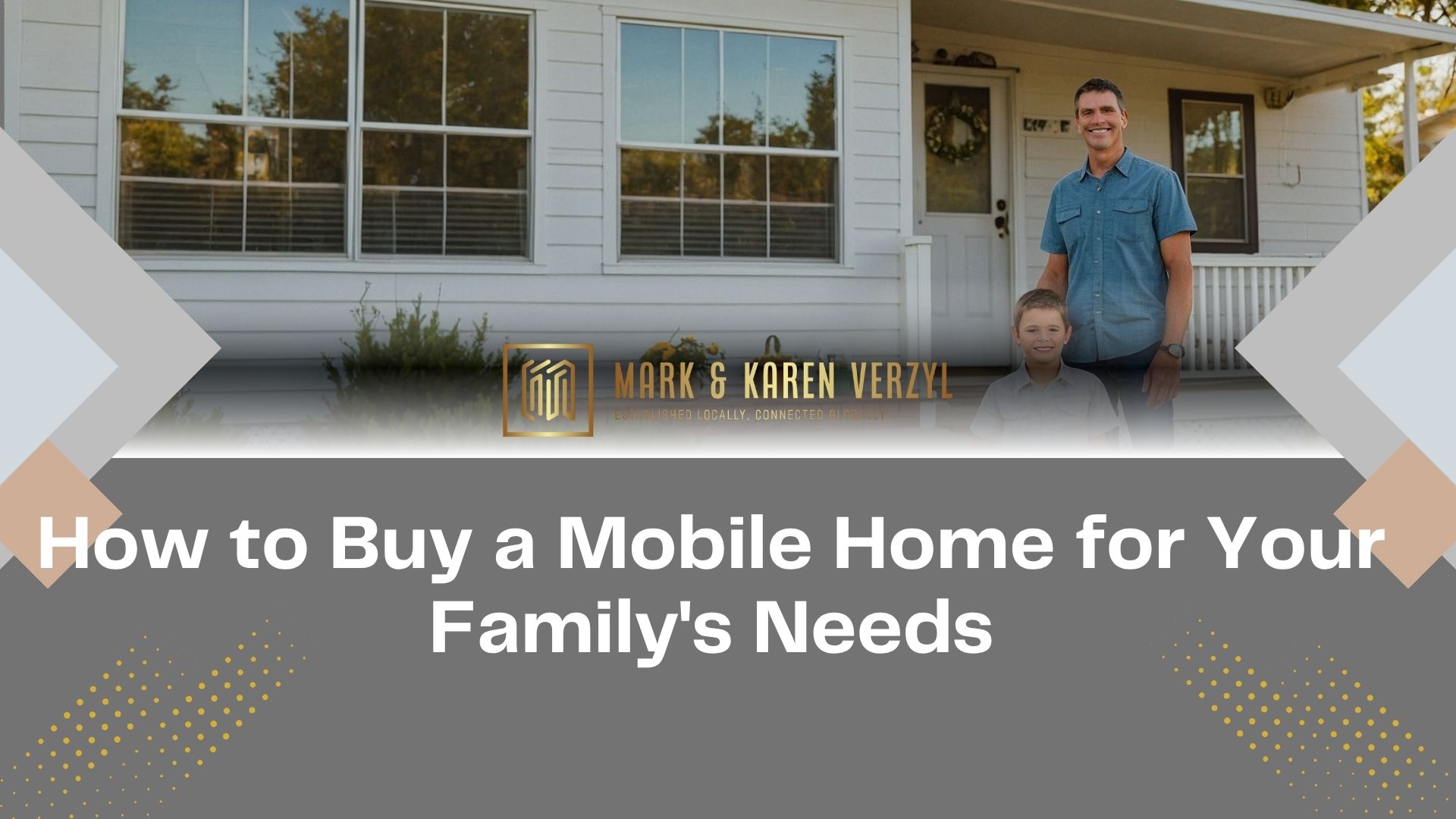
Purchasing a mobile home represents an increasingly popular path to homeownership, offering affordability and flexibility that traditional housing often cannot match. For families seeking quality housing without the financial burden of conventional mortgages, mobile homes provide an attractive alternative that combines comfort, community, and cost-effectiveness.
The mobile home market has evolved significantly over the past decades, transforming from basic temporary housing into sophisticated, well-designed homes that rival traditional construction in both appearance and functionality. Today’s manufactured homes feature modern amenities, energy-efficient systems, and attractive designs that appeal to families across various income levels and lifestyle preferences.
Understanding how to buy a mobile home requires careful consideration of numerous factors, from financing options and location selection to community regulations and long-term investment potential. Unlike traditional real estate transactions, mobile home purchases involve unique considerations such as land ownership versus lot rental, transportation logistics, and specialized financing requirements that can significantly impact your family’s financial future.
The process of buying a mobile home involves multiple decision points that will affect your family’s comfort, financial stability, and long-term satisfaction with your housing choice. From evaluating different manufacturers and floor plans to understanding the legal implications of mobile home ownership, each step requires careful research and planning to ensure you make the best decision for your specific circumstances.
Successful mobile home ownership begins with thorough preparation and realistic expectations about the buying process, ongoing costs, and community living aspects that define the mobile home lifestyle. Whether you’re a first-time homebuyer seeking affordable entry into homeownership or an experienced property owner looking for a cost-effective housing solution, understanding the intricacies of mobile home purchases will help you navigate this unique real estate market with confidence and make informed decisions that benefit your family’s long-term goals.
Key Takeaways
For additional context, see this comprehensive guide.
- Financing Options Vary Significantly: Mobile home financing differs substantially from traditional mortgages, with options including chattel loans, FHA loans, and conventional mortgages depending on whether you own the land beneath your home.
- Location Determines Long-term Value: The choice between mobile home parks, private land, and family property significantly impacts your investment potential, monthly expenses, and lifestyle flexibility.
- New vs. Used Considerations: New mobile homes offer warranties and customization options but depreciate quickly, while used homes provide immediate affordability but may require significant maintenance investments.
- Community Regulations Matter: Mobile home park rules, homeowners association requirements, and local zoning laws can significantly impact your living experience and future resale options.
- Transportation and Setup Costs: Moving and installing a mobile home involves substantial additional expenses beyond the purchase price, including permits, utility connections, and professional installation services.
- Insurance Requirements Differ: Mobile home insurance needs vary based on ownership structure, location, and local risk factors, requiring specialized coverage that differs from traditional homeowners insurance.
- Resale Value Factors: Understanding depreciation patterns, market demand, and value-retention strategies helps protect your investment and provides realistic expectations for future equity building.
- Legal Documentation Complexity: Mobile home purchases involve unique legal considerations including title transfers, land lease agreements, and compliance with manufactured housing regulations that require careful attention to detail.
Understanding Mobile Home Ownership Options
For additional context, see detailed information on this topic.
Mobile home ownership presents several distinct pathways, each with unique advantages and considerations that significantly impact your family’s long-term housing experience. The fundamental distinction lies in whether you own the land beneath your home or rent a lot in a mobile home community, a decision that affects everything from financing options to long-term investment potential.
Owning both the mobile home and the land provides the greatest control and investment potential, allowing you to build equity in both the structure and the property. This option typically qualifies for traditional mortgage financing and offers the freedom to modify your property, add structures, and make long-term improvements without seeking permission from park management. However, land ownership also brings additional responsibilities including property taxes, maintenance of utilities, and compliance with local building codes and zoning regulations.
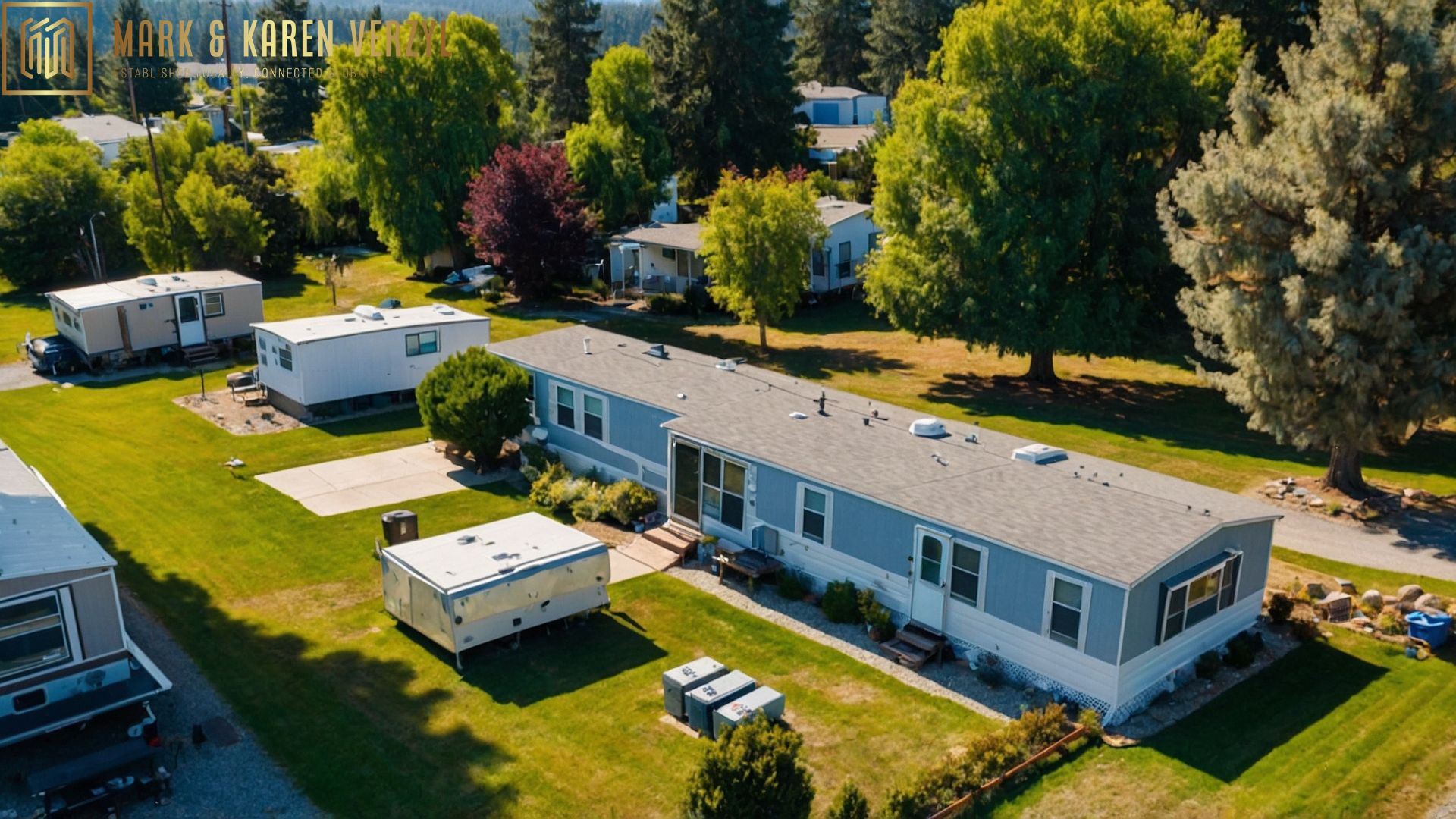
Renting a lot in a mobile home park offers lower initial costs and reduced maintenance responsibilities, as park management typically handles common area maintenance, road upkeep, and sometimes utility infrastructure. Many mobile home parks provide amenities such as community centers, playgrounds, and recreational facilities that enhance the living experience for families. However, lot rental subjects you to potential rent increases, park rules that may restrict modifications or pets, and the possibility of park closure or conversion that could force relocation.
Placing your mobile home on family property represents a middle ground that provides land security without the full cost of property purchase. This arrangement often works well for multi-generational families or those with access to rural property, offering privacy and flexibility while maintaining family connections. However, this option requires careful legal documentation to protect all parties’ interests and ensure compliance with local zoning laws that may restrict mobile home placement on certain properties.
Financing Your Mobile Home Purchase
For additional context, see our in-depth resource.
Mobile home financing operates differently from traditional real estate mortgages, with various loan types available depending on your ownership structure, credit profile, and the age and condition of the home you’re purchasing. Understanding these financing options helps you secure the most favorable terms and avoid common pitfalls that can increase your long-term costs or limit your purchasing power.
Chattel loans represent the most common financing method for mobile homes when you don’t own the land, treating the home as personal property rather than real estate. These loans typically offer shorter terms than traditional mortgages, usually ranging from 15 to 23 years, with higher interest rates reflecting the increased risk to lenders. Chattel loans often require larger down payments, typically 5-20% of the purchase price, and may have stricter credit requirements than conventional mortgages.
FHA loans provide government-backed financing for mobile homes that meet specific requirements, including permanent foundation installation and compliance with HUD construction standards. These loans offer competitive interest rates and lower down payment requirements, sometimes as low as 3.5%, making homeownership more accessible for families with limited savings. However, FHA loans require mortgage insurance premiums and have strict property condition requirements that may limit your options in the used mobile home market.
Conventional mortgages become available when you own the land beneath your mobile home, allowing you to treat the purchase as traditional real estate. This option typically provides the most favorable interest rates and terms, with loan periods extending up to 30 years and down payment requirements as low as 3-5% for qualified buyers. Conventional financing also enables you to build equity more effectively and may qualify for various first-time homebuyer programs and down payment assistance options.
Alternative financing sources include dealer financing, personal loans, and specialized manufactured housing lenders who understand the unique aspects of mobile home purchases. While dealer financing offers convenience and quick approval, it often comes with higher interest rates and less favorable terms than bank financing. For those exploring real estate investment opportunities, private lending options may provide flexible financing solutions for unique situations or investment purposes.

Selecting the Right Mobile Home and Location
Choosing the appropriate mobile home and location requires balancing your family’s immediate needs with long-term goals, considering factors such as size requirements, community amenities, school districts, and proximity to employment opportunities. The location decision significantly impacts your daily life, commuting costs, and the home’s future resale value, making it one of the most critical aspects of your purchase decision.
Mobile home size and layout should accommodate your family’s current needs while providing flexibility for future changes such as additional children, aging parents, or work-from-home requirements. Single-wide homes typically range from 600 to 1,300 square feet and offer affordability but limited space, while double-wide and triple-wide homes provide 1,000 to 2,300 square feet with more traditional home layouts and greater resale appeal. Consider ceiling height, storage options, and the potential for additions or modifications when evaluating different models and floor plans.
Community selection involves evaluating mobile home parks based on management quality, resident demographics, amenities, and long-term stability. Well-managed communities maintain property values through consistent rule enforcement, regular maintenance, and strategic improvements that enhance the living experience. Research the park’s history of rent increases, occupancy rates, and any planned developments or changes that might affect your living situation or property value over time.
School district quality becomes particularly important for families with children, as educational opportunities significantly impact your family’s quality of life and your home’s resale value. Research local schools’ performance ratings, extracurricular programs, and transportation options to ensure your children have access to quality education. Additionally, consider the proximity to healthcare facilities, shopping centers, and recreational opportunities that contribute to your family’s overall satisfaction with the location.
For those interested in real estate investment potential, understanding local zoning regulations helps evaluate the long-term development prospects of your chosen area. Some locations may offer opportunities for property appreciation or conversion to higher-value uses, while others may face restrictions that limit future options. Professional guidance from experienced real estate professionals like Mark Verzyl can provide valuable insights into market trends and investment potential in your target area.
Legal Considerations and Documentation
Mobile home purchases involve unique legal considerations that differ significantly from traditional real estate transactions, requiring careful attention to documentation, title transfers, and compliance with manufactured housing regulations. Understanding these legal aspects protects your investment and ensures smooth ownership transfer while avoiding common pitfalls that can create costly problems down the road.
Title documentation for mobile homes varies by state and ownership structure, with some states treating mobile homes as vehicles requiring certificate of title registration, while others classify them as real property when permanently affixed to owned land. Ensure proper title transfer procedures are followed, including lien releases from previous financing and verification that all taxes and fees are current. Missing or incorrect title documentation can prevent financing approval and create ownership disputes that may be expensive and time-consuming to resolve.
Land lease agreements require careful review when purchasing a mobile home in a park setting, as these contracts govern your rights and responsibilities as a resident. Pay particular attention to rent escalation clauses, maintenance responsibilities, pet policies, and termination conditions that could affect your long-term housing security. Some lease agreements include automatic renewal provisions, while others require periodic renegotiation that could result in significant cost increases or forced relocation.
Local building codes and zoning regulations may impose requirements for mobile home installation, including foundation specifications, utility connections, and setback requirements from property lines. Ensure your chosen home and location comply with all applicable regulations before finalizing your purchase, as non-compliance can result in fines, forced modifications, or even removal orders. Some areas have restrictions on the age or condition of mobile homes that can be installed, potentially limiting your options or requiring specific upgrades.
Homeowners association rules and mobile home park regulations often include detailed restrictions on modifications, additions, landscaping, and even the types of vehicles that can be parked on your lot. Review these regulations carefully to ensure they align with your lifestyle and future plans, as violations can result in fines or forced compliance that may be costly. Understanding these legal frameworks helps you make informed decisions and avoid conflicts that could diminish your enjoyment of your new home.
Inspection, Maintenance, and Long-term Ownership
Thorough inspection and ongoing maintenance planning are essential for successful mobile home ownership, as these structures require specific care and attention to maintain their condition, value, and safety over time. Understanding common maintenance issues and developing proactive care strategies helps protect your investment while ensuring your family’s comfort and safety in your new home.
Professional inspection should cover structural elements, electrical systems, plumbing, heating and cooling equipment, and the roof and exterior siding for signs of damage or wear. Mobile homes are particularly susceptible to moisture issues, foundation problems, and electrical concerns that may not be immediately apparent but can become expensive problems if left unaddressed. Pay special attention to the condition of tie-downs and anchoring systems that secure the home to its foundation, as these safety features are critical for structural integrity and insurance compliance.
Preventive maintenance for mobile homes focuses on moisture control, proper ventilation, and regular inspection of seals around windows, doors, and roof penetrations. Develop a seasonal maintenance schedule that includes cleaning gutters, checking and replacing HVAC filters, inspecting skirting for damage, and ensuring proper drainage around the home’s perimeter. Regular maintenance not only prevents costly repairs but also maintains your home’s appearance and value over time.
Energy efficiency improvements can significantly reduce your ongoing housing costs while improving comfort and environmental impact. Consider upgrades such as improved insulation, energy-efficient windows, programmable thermostats, and high-efficiency appliances that provide long-term savings on utility bills. Many mobile homes benefit from additional insulation and weatherization improvements that weren’t standard when they were manufactured, particularly for older units.
Long-term ownership planning involves understanding depreciation patterns, market trends, and potential exit strategies for your mobile home investment. While mobile homes typically depreciate rather than appreciate like traditional real estate, proper maintenance, strategic improvements, and favorable location selection can help minimize value loss and maintain marketability. For those interested in building wealth through real estate, consider how mobile home ownership fits into your broader wealth-building strategy and whether it serves as a stepping stone to other investment opportunities.
Frequently Asked Questions
How much does it typically cost to buy a mobile home?
Mobile home costs vary significantly based on size, age, condition, and location, with new single-wide homes starting around $50,000-$80,000 and double-wide homes ranging from $80,000-$150,000. Used mobile homes can cost $20,000-$70,000 depending on age and condition. Additional costs include transportation, setup, permits, and utility connections, which can add $5,000-$15,000 to your total investment.
Can I get a traditional mortgage for a mobile home?
Traditional mortgages are available for mobile homes when you own the land and the home meets specific requirements including permanent foundation installation and HUD compliance. Without land ownership, you’ll typically need chattel financing or specialized manufactured housing loans, which often have higher interest rates and shorter terms than conventional mortgages.
What should I look for when inspecting a used mobile home?
Focus on structural integrity, including floor stability and wall condition, examine the roof for leaks or damage, check electrical and plumbing systems for proper function and code compliance, inspect windows and doors for proper sealing, and evaluate the heating and cooling systems. Also examine the exterior for damage and ensure proper tie-down and anchoring systems are in place.
Are mobile homes a good investment for families?
Mobile homes can provide excellent value for families seeking affordable homeownership, offering lower purchase prices, reduced property taxes, and access to community amenities. However, they typically depreciate rather than appreciate, making them better suited for housing needs rather than investment growth. The decision depends on your financial goals, housing priorities, and long-term plans.
What are the ongoing costs of mobile home ownership?
Ongoing costs include lot rent (if applicable), typically $200-$800 monthly, property taxes, insurance, utilities, and maintenance expenses. Mobile home park residents may also pay fees for amenities and services. Budget for regular maintenance, potential repairs, and periodic improvements to maintain your home’s condition and value over time.
Can I move my mobile home to a different location?
Moving a mobile home is possible but expensive and complex, typically costing $5,000-$15,000 or more depending on distance and setup requirements. The process requires permits, professional transportation, utility disconnection and reconnection, and compliance with regulations at the new location. Older homes may not survive the moving process, making relocation impractical in some cases.
How do mobile home park rules affect my ownership rights?
Mobile home park rules can significantly restrict your rights regarding modifications, pets, guests, and even the sale of your home. While you own the mobile home, the park management controls the land and common areas, giving them authority to enforce community standards and regulations. Review park rules carefully before purchasing to ensure they align with your lifestyle and expectations.
What financing options are available for mobile home purchases?
Financing options include chattel loans for homes without land ownership, FHA loans for qualifying properties, conventional mortgages when you own the land, dealer financing, and personal loans. Each option has different requirements, terms, and interest rates. Those exploring alternative financing might benefit from understanding specialized financing structures that could apply to unique situations or investment purposes.
Conclusion
Purchasing a mobile home for your family represents a significant decision that can provide affordable homeownership, community living, and financial flexibility when approached with proper planning and realistic expectations. The key to successful mobile home ownership lies in understanding the unique aspects of this housing option, from financing alternatives and legal considerations to long-term maintenance and community living dynamics.
The mobile home buying process requires careful evaluation of your family’s needs, financial capabilities, and long-term goals to ensure you select the right home and location for your circumstances. Whether you choose a new or used home, park living or private land ownership, each option presents distinct advantages and challenges that will impact your family’s daily life and financial future. Taking time to research communities, understand financing options, and plan for ongoing costs helps ensure your mobile home purchase becomes a positive step toward achieving your housing and financial objectives.
Success in mobile home ownership depends largely on thorough preparation, realistic expectations, and ongoing attention to maintenance and community relationships. By understanding the legal requirements, inspection priorities, and long-term ownership considerations outlined in this guide, you can navigate the mobile home market with confidence and make informed decisions that benefit your family’s well-being and financial stability.
For families considering mobile home ownership as part of a broader real estate strategy, consulting with experienced professionals like Mark Verzyl can provide valuable insights into market conditions, financing options, and investment potential. Whether mobile home ownership serves as your long-term housing solution or a stepping stone to other opportunities, proper planning and expert guidance help ensure your purchase decision aligns with your family’s goals and contributes to your overall financial success.