
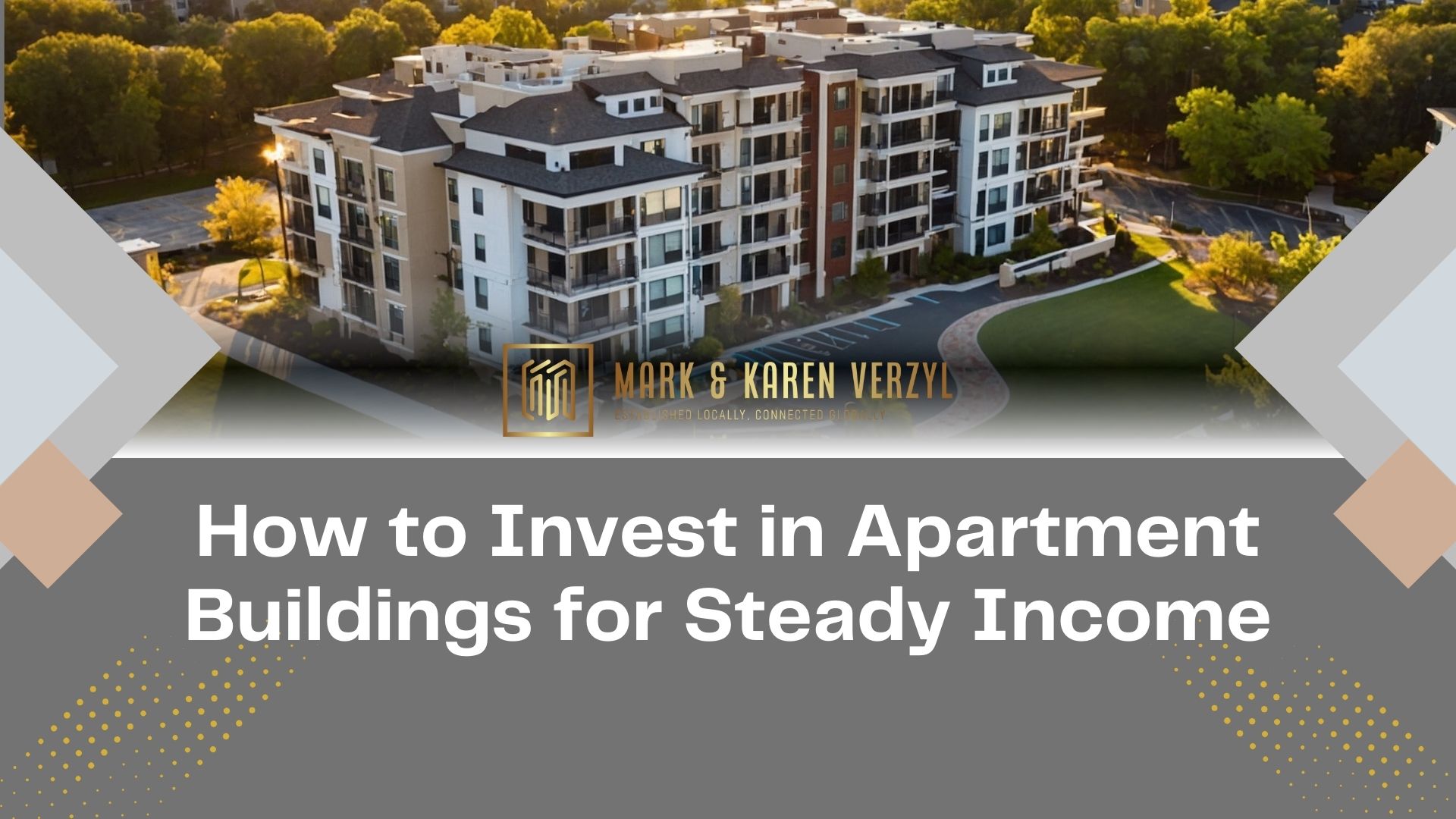
Learning how to invest in apartment buildings represents one of the most reliable paths to building long-term wealth through real estate. Unlike single-family homes, apartment buildings offer multiple income streams from various units, providing investors with enhanced cash flow stability and reduced vacancy risk. This investment strategy has gained significant traction among Canadian investors seeking passive income opportunities that can withstand market fluctuations.
Investing in multifamily properties requires a different approach than traditional residential real estate investing. The complexity increases with property size, but so do the potential returns and tax advantages. Apartment buildings typically range from small duplexes to large complexes with hundreds of units, each presenting unique opportunities and challenges for investors at different experience levels.
The Canadian multifamily market has shown remarkable resilience, particularly in major urban centers where housing demand continues to outpace supply. This fundamental imbalance creates favorable conditions for apartment building investors who understand how to identify, finance, and manage these properties effectively. Success in this sector requires thorough market research, proper due diligence, and a clear understanding of the financial metrics that drive profitability.
Modern apartment building investment goes beyond simply collecting rent checks. Today’s successful investors focus on value-add opportunities, energy efficiency improvements, and strategic property management to maximize returns. They understand that apartment buildings are businesses first and real estate second, requiring operational expertise alongside investment acumen.
For those considering this investment path, understanding the fundamentals of apartment building investment is crucial. From analyzing cash flow projections to navigating commercial financing options, each aspect requires careful consideration and professional guidance to ensure long-term success in building a profitable multifamily portfolio.
Key Takeaways
For additional context, see this comprehensive guide.
- Diversified Income Streams: Apartment buildings provide multiple rental units, reducing the impact of individual vacancy losses compared to single-family properties. This diversification creates more stable monthly cash flow and reduces overall investment risk.
- Economies of Scale: Larger multifamily properties offer operational efficiencies in maintenance, management, and improvement costs. Property managers can oversee multiple units from a single location, reducing per-unit management expenses.
- Professional Valuation Methods: Unlike residential properties valued by comparable sales, apartment buildings are valued based on income potential using capitalization rates and net operating income calculations, providing more predictable investment returns.
- Tax Advantages: Multifamily properties offer significant tax benefits including depreciation deductions, expense write-offs, and potential for tax-deferred exchanges. These advantages can substantially improve after-tax returns for investors.
- Financing Flexibility: Commercial lenders offer various financing options for apartment buildings, including conventional mortgages, portfolio loans, and government-backed programs designed specifically for multifamily investments.
- Value-Add Opportunities: Apartment buildings present numerous opportunities to increase property value through renovations, improved management, rent optimization, and operational efficiency improvements that directly impact property valuation.
- Market Demand Stability: Rental housing demand remains relatively stable across economic cycles, as people always need places to live. This fundamental need provides apartment building investors with consistent tenant demand.
Understanding Apartment Building Investment Fundamentals
For additional context, see detailed information on this topic.
Apartment building investment differs significantly from single-family home investing in both complexity and potential returns. The fundamental principle revolves around purchasing income-producing properties that generate positive cash flow through rental income while building long-term equity. Understanding these core concepts is essential before diving into the multifamily market.
The classification of apartment buildings varies by size and complexity. Small multifamily properties (2-4 units) often qualify for residential financing, while larger complexes require commercial loans with different underwriting criteria. This distinction affects everything from down payment requirements to interest rates and loan terms, making it crucial to understand which category your target property falls into.
Income analysis forms the foundation of apartment building evaluation. Gross rental income represents the total potential revenue if all units were occupied at market rates. However, smart investors focus on effective gross income, which accounts for realistic vacancy rates and collection losses. Operating expenses including maintenance, utilities, insurance, property management, and reserves must be subtracted to determine net operating income (NOI), the key metric for property valuation.
Market dynamics play a crucial role in apartment building success. Supply and demand factors, local employment trends, population growth, and development patterns all influence rental rates and occupancy levels. Investors must analyze these market fundamentals to identify locations with strong rental demand and limited new supply that could compete with their properties.
The concept of forced appreciation sets apartment buildings apart from other real estate investments. While single-family homes rely primarily on market appreciation, apartment building values can be increased through operational improvements, rent increases, expense reductions, and property enhancements. This ability to directly influence property value through management decisions provides investors with greater control over their returns.
Financing Strategies for Multifamily Properties
Securing appropriate financing represents one of the most critical aspects of apartment building investment. Commercial real estate loans for multifamily properties typically require larger down payments than residential mortgages, often ranging from 20% to 30% of the purchase price. However, the increased equity requirement is offset by the property’s income-generating potential, which lenders consider when evaluating loan applications.
Traditional commercial mortgages offer fixed or variable interest rates with terms typically ranging from 5 to 30 years. These loans are underwritten based on the property’s debt service coverage ratio (DSCR), which compares the property’s net operating income to its debt service payments. Lenders generally require a DSCR of at least 1.25, meaning the property generates 25% more income than needed to cover mortgage payments.
Government-backed financing programs provide attractive alternatives for qualified investors. Canada Mortgage and Housing Corporation (CMHC) offers various programs supporting multifamily housing development and acquisition. These programs often feature lower down payment requirements and favorable interest rates, particularly for properties that include affordable housing components.
Portfolio lenders represent another financing option, particularly for investors building multifamily portfolios. These lenders keep loans on their books rather than selling them to secondary markets, allowing for more flexible underwriting criteria. This flexibility can benefit investors with unique circumstances or properties that don’t fit conventional lending guidelines.
Creative financing strategies can help investors overcome capital constraints. Seller financing allows property owners to act as lenders, potentially offering more favorable terms than traditional banks. Partnership structures enable investors to pool resources and expertise, sharing both investment capital and operational responsibilities. These arrangements can provide access to larger properties that might be unattainable individually.
Working with experienced professionals becomes essential when navigating multifamily financing. Mortgage brokers who specialize in commercial real estate can help identify the most suitable financing options and guide investors through the application process. Their industry relationships and expertise can often secure better terms and faster approvals than investors could achieve independently.
Property Analysis and Due Diligence
Thorough property analysis forms the cornerstone of successful apartment building investment. The due diligence process for multifamily properties extends far beyond simple property inspections, encompassing financial analysis, market research, and operational assessment. This comprehensive evaluation helps investors identify potential issues and opportunities before committing to a purchase.
Financial analysis begins with rent roll examination, documenting each unit’s rental rate, lease terms, and tenant history. Comparing current rents to market rates reveals opportunities for immediate or future rent increases. Expense analysis should include at least three years of operating statements, helping identify trends and potential cost reduction opportunities. Professional property management companies can provide valuable insights into typical operating expense ratios for similar properties in the area.
Physical property inspection requires specialized expertise given the complexity of multifamily buildings. Professional inspectors should evaluate structural elements, mechanical systems, roofing, plumbing, and electrical systems across all units. Common area assessments including hallways, laundry facilities, parking areas, and landscaping help identify immediate capital improvement needs and ongoing maintenance requirements.
Environmental due diligence has become increasingly important in multifamily property acquisitions. Phase I environmental assessments identify potential contamination risks, while energy audits reveal opportunities for utility cost reductions and efficiency improvements. These assessments can uncover significant future costs or savings that impact property valuation and investment returns.
Legal due diligence encompasses title review, zoning compliance, and tenant lease analysis. Understanding local rent control regulations, tenant rights, and eviction procedures is crucial for effective property management. Some municipalities have specific requirements for multifamily properties, including registration, inspection, and maintenance standards that affect operating costs.
Market analysis provides context for the property’s performance potential. Studying comparable properties, rental rate trends, and local economic indicators helps validate asking prices and rental projections. Understanding planned developments, infrastructure improvements, and demographic changes in the area can reveal future opportunities or challenges that might affect property performance.
Property Management and Operations
Effective property management determines the success or failure of apartment building investments. Unlike single-family rentals, multifamily properties require systematic approaches to tenant relations, maintenance coordination, and financial management. The complexity increases with property size, making professional management essential for larger complexes while smaller properties might be self-managed by hands-on investors.
Tenant screening and retention strategies directly impact property profitability. Comprehensive screening processes including credit checks, employment verification, and reference contacts help identify reliable tenants who pay rent consistently and maintain their units properly. Developing tenant retention programs through responsive maintenance, property improvements, and community building activities reduces turnover costs and vacancy losses.
Preventive maintenance programs protect property values while controlling operating expenses. Regular inspections, scheduled system maintenance, and prompt repair responses prevent minor issues from becoming major capital expenditures. Establishing relationships with reliable contractors and service providers ensures quality work at competitive prices, while bulk purchasing of materials and supplies reduces per-unit costs.
Financial management systems provide the data needed for informed decision-making. Monthly operating statements, rent collection reports, and expense tracking help identify trends and opportunities for improvement. Many property management software platforms offer integrated accounting, tenant communication, and maintenance request systems that streamline operations while providing detailed reporting capabilities.
Rent optimization requires balancing maximum revenue with tenant retention and market competitiveness. Regular market surveys help determine appropriate rent levels for lease renewals and new tenants. Understanding local rent increase regulations and timing restrictions ensures compliance while maximizing revenue potential. Value-added services like parking, storage, or laundry facilities can provide additional income streams beyond basic rent.
Professional property management companies offer expertise and economies of scale that many individual investors cannot achieve independently. These companies handle day-to-day operations, tenant relations, and maintenance coordination while providing detailed financial reporting. Evaluating property management performance through key metrics helps ensure management fees are justified by improved operations and returns.
Market Analysis and Location Selection
Location selection represents one of the most critical decisions in apartment building investment, as property location affects everything from rental demand to long-term appreciation potential. Successful investors understand that even the best-managed property in a declining market will struggle, while average properties in growing markets often perform exceptionally well. This makes comprehensive market analysis essential before making investment commitments.
Demographic analysis provides insights into rental demand and tenant characteristics. Population growth, age distribution, income levels, and employment patterns all influence rental housing needs. Areas with growing populations of young professionals, students, or seniors often present strong rental demand, while regions experiencing population decline may face ongoing vacancy challenges.
Economic indicators reveal market stability and growth potential. Employment diversity, major employer presence, and economic development initiatives affect long-term rental demand. Markets dependent on single industries face higher volatility, while diversified economies provide more stable rental markets. Understanding local economic trends helps predict future rental demand and property values.
Transportation infrastructure significantly impacts property desirability and rental rates. Proximity to public transit, major highways, and employment centers affects tenant demand and willingness to pay premium rents. Areas with planned transportation improvements often experience increased property values as accessibility improves.
Supply and demand dynamics determine rental rate growth potential and occupancy levels. Analyzing building permits, planned developments, and zoning changes reveals future supply increases that could impact rental markets. Markets with limited developable land or restrictive zoning often maintain stronger rental demand and rate growth.
Neighborhood characteristics affect tenant quality and property appreciation potential. School districts, crime rates, shopping and entertainment options, and overall neighborhood trajectory influence rental demand. Emerging neighborhoods often provide value opportunities, while established areas offer stability but may have limited upside potential.
Understanding current market inventory levels helps assess competition and opportunity. Markets with low rental vacancy rates typically support rent increases, while oversupplied markets may require competitive pricing and enhanced amenities to maintain occupancy.
Mark Verzyl: Your Calgary Multifamily Investment Expert
Mark Verzyl brings extensive expertise in Calgary’s multifamily real estate market, helping investors navigate the complexities of apartment building acquisition and management. With deep knowledge of local market conditions, financing options, and investment strategies, Mark provides the professional guidance needed to build successful multifamily portfolios in Calgary’s dynamic real estate environment.
His comprehensive approach to multifamily investing encompasses market analysis, property evaluation, financing coordination, and ongoing investment strategy development. Mark understands that apartment building investment requires specialized knowledge different from single-family home investing, and he provides the expertise needed to identify profitable opportunities while avoiding common pitfalls.
Working with experienced professionals like Mark Verzyl can significantly improve investment outcomes by providing access to off-market opportunities, professional networks, and market insights that individual investors might not discover independently. His local market expertise helps investors understand neighborhood dynamics, development trends, and regulatory considerations that affect multifamily property performance.
For investors exploring Calgary’s diverse communities and property options, Mark provides valuable insights into which areas offer the best potential for multifamily investment success. His guidance helps investors align their investment goals with appropriate property types and locations for optimal returns.
Frequently Asked Questions
How much money do I need to invest in apartment buildings?
Initial investment requirements vary significantly based on property size and financing options. Small multifamily properties (2-4 units) may require 20-25% down payments, while larger apartment complexes typically need 25-30% down. Including closing costs, due diligence expenses, and initial capital improvements, investors should plan for total initial investments ranging from $100,000 for small properties to several million for large complexes.
What returns can I expect from apartment building investments?
Apartment building returns typically range from 6-12% annually, combining cash flow and appreciation. Cash-on-cash returns often fall between 8-15%, while total returns including appreciation and loan paydown can reach 12-20% annually. Returns vary based on location, property condition, management efficiency, and market conditions. Proper performance evaluation helps investors track and optimize their returns over time.
Should I manage the property myself or hire a management company?
Property management decisions depend on investor experience, time availability, and property size. Small properties (under 10 units) might be self-managed by experienced investors, while larger complexes typically require professional management. Management companies charge 4-8% of gross rental income but provide expertise, systems, and time savings that often justify their fees through improved operations and reduced vacancy rates.
How do I find good apartment building investment opportunities?
Successful investors use multiple channels to find opportunities including commercial real estate brokers, online listing platforms, direct mail campaigns, and networking with other investors. Working with experienced real estate professionals provides access to off-market opportunities and professional market insights that can identify the best investment properties before they become widely available.
What are the biggest risks in apartment building investing?
Primary risks include vacancy losses, unexpected capital expenditures, interest rate increases, and local market downturns. Effective risk management involves thorough due diligence, adequate cash reserves, proper insurance coverage, and diversification across properties or markets. Understanding tax implications and loss limitations also helps investors prepare for various scenarios.
How do I finance my first apartment building purchase?
First-time multifamily investors typically start with conventional commercial mortgages requiring 25-30% down payments. Building relationships with commercial lenders, maintaining strong credit scores, and demonstrating real estate experience improves financing options. Some investors begin with smaller properties qualifying for residential financing before transitioning to larger commercial properties.
What markets offer the best apartment building investment opportunities?
Strong apartment building markets typically feature population growth, economic diversity, limited new supply, and strong rental demand. Canadian markets like Calgary, Toronto, and Vancouver offer different opportunities based on price points and growth potential. Local market knowledge and professional guidance help identify the best opportunities within each market.
How do I know if an apartment building is a good investment?
Good apartment building investments generate positive cash flow, offer potential for rent increases, and show strong market fundamentals. Key metrics include cash-on-cash returns above 8%, debt service coverage ratios above 1.25, and cap rates appropriate for the market and property quality. Professional analysis and market comparison help validate investment potential before purchase.
Conclusion
Investing in apartment buildings offers a proven path to building wealth through real estate, providing multiple income streams, tax advantages, and opportunities for forced appreciation that single-family properties cannot match. Success in multifamily investing requires understanding the unique aspects of commercial real estate, from financing and due diligence to property management and market analysis.
The key to successful apartment building investment lies in thorough preparation, professional guidance, and systematic approach to property evaluation and management. Investors who take time to understand market dynamics, develop strong professional networks, and implement effective management systems position themselves for long-term success in building profitable multifamily portfolios.
Calgary’s multifamily market presents numerous opportunities for investors willing to commit the time and resources necessary for success. With proper planning, adequate capital, and experienced professional guidance, apartment building investment can provide the steady income and wealth building opportunities that many investors seek through real estate investing.
Starting with smaller properties and gradually building expertise and capital allows investors to develop the skills needed for larger, more complex investments over time. The fundamentals remain consistent regardless of property size: thorough analysis, conservative financing, effective management, and long-term perspective create the foundation for multifamily investment success.