
Owning a luxury home on a large acreage property represents the pinnacle of residential living, offering unparalleled privacy, space, and prestige. However, maintaining such an extensive estate requires careful planning, significant resources, and specialized knowledge that goes far beyond typical homeownership responsibilities. The scale and complexity of managing both a high-end residence and substantial grounds present unique challenges that demand strategic approaches and professional expertise.
Large acreage luxury properties typically encompass multiple structures, extensive landscaping, sophisticated infrastructure systems, and diverse outdoor amenities that must all be maintained to the highest standards. From managing irrigation systems that cover dozens of acres to maintaining private roads, guest houses, and recreational facilities, the scope of maintenance responsibilities can be overwhelming without proper preparation and systems in place.
The investment required to maintain such properties extends beyond financial considerations to include time management, vendor coordination, and long-term planning. Property owners must develop comprehensive maintenance schedules that address seasonal requirements, preventive care protocols, and emergency response procedures. Understanding these complexities before purchasing or during the early stages of ownership can prevent costly oversights and ensure the property maintains its value and functionality.
Climate considerations play a crucial role in maintenance planning, particularly in regions like Calgary where extreme weather conditions can impact both structures and landscapes. Seasonal transitions require specific preparation protocols, from winterizing irrigation systems to protecting delicate plantings and ensuring heating systems can adequately serve large spaces efficiently.
Professional property management becomes increasingly valuable as acreage size and property complexity increase. Many luxury homeowners discover that coordinating multiple service providers, maintaining detailed maintenance records, and ensuring consistent quality standards across all property elements requires dedicated oversight that may exceed their available time and expertise.
Key Takeaways
For additional context, see this comprehensive guide.
- Develop Comprehensive Maintenance Schedules: Large acreage properties require detailed, year-round maintenance calendars that address both immediate needs and long-term preservation goals across all property elements.
- Invest in Professional Property Management: The complexity of maintaining extensive estates often justifies hiring dedicated property managers who can coordinate multiple service providers and ensure consistent quality standards.
- Prioritize Infrastructure Systems: Wells, septic systems, private roads, and utility distribution networks require specialized attention and regular professional inspections to prevent costly failures.
- Plan for Seasonal Challenges: Weather-related maintenance needs vary significantly throughout the year, requiring specific preparation protocols for winter protection, spring restoration, and summer preservation.
- Budget Appropriately for Scale: Maintenance costs increase exponentially with property size, requiring substantial annual budgets that account for both routine care and unexpected repairs across multiple structures and systems.
- Maintain Detailed Documentation: Comprehensive records of all maintenance activities, vendor relationships, and system specifications become invaluable for troubleshooting, warranty claims, and property value preservation.
- Focus on Preventive Care: Proactive maintenance approaches prevent minor issues from becoming major problems, particularly important when dealing with extensive properties where problems can escalate quickly.
- Consider Environmental Impact: Sustainable maintenance practices not only reduce environmental impact but often provide long-term cost savings through improved efficiency and reduced resource consumption.
Understanding the Scope of Large Acreage Property Maintenance
For additional context, see detailed information on this topic.
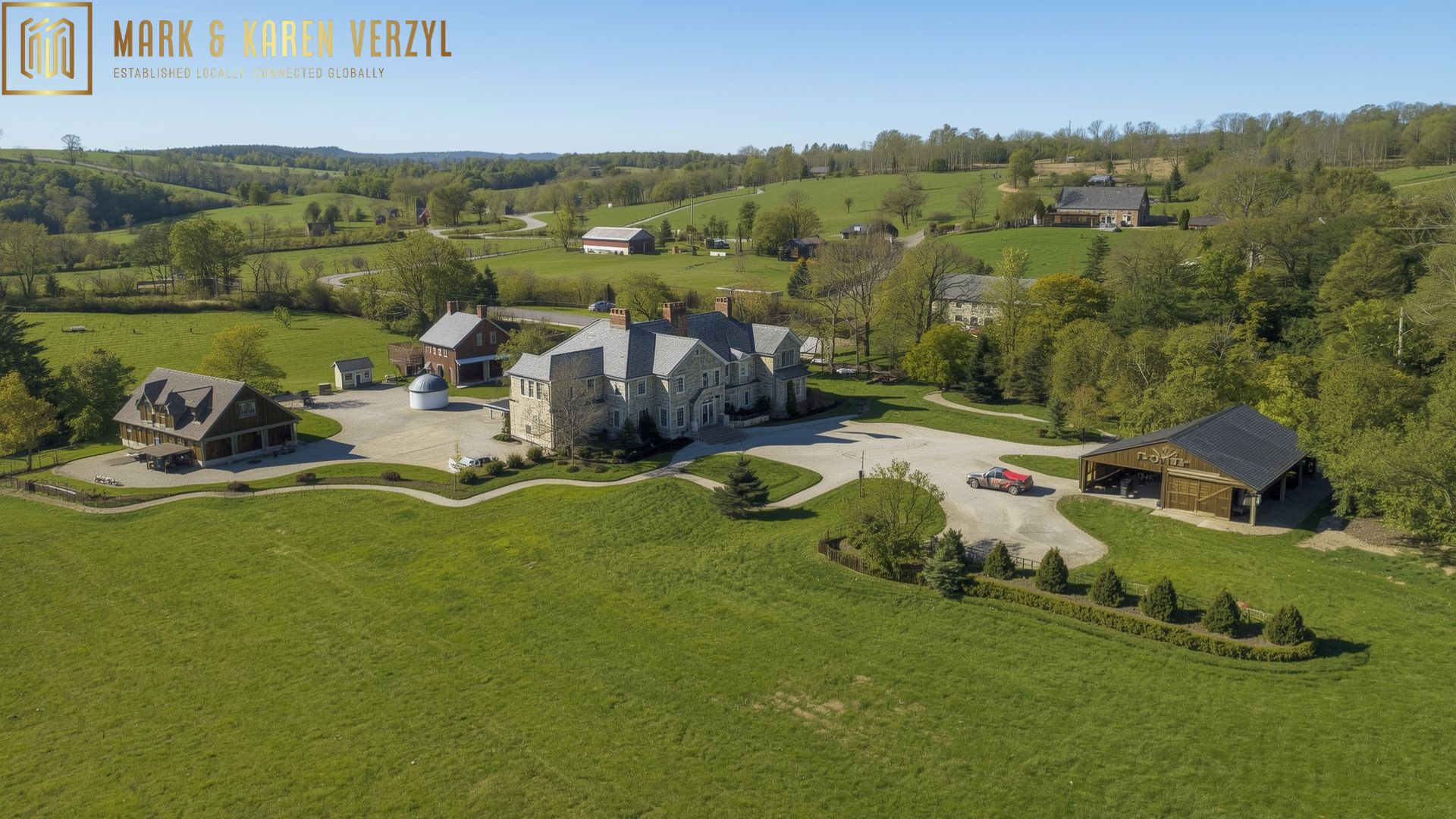
Maintaining a luxury home on extensive acreage involves managing multiple interconnected systems that extend far beyond the primary residence. Property owners must consider the maintenance requirements for guest houses, workshops, barns, recreational facilities, and various outbuildings that may be scattered across the estate. Each structure requires individual attention while also functioning as part of the overall property ecosystem.
Infrastructure systems on large properties often operate independently from municipal services, creating additional maintenance responsibilities. Private wells require regular testing and pump maintenance, while septic systems need periodic pumping and inspection to ensure proper function. Electrical distribution systems may include multiple panels and underground lines that serve various property areas, requiring specialized knowledge for safe maintenance and repairs.
Landscaping maintenance on large acreage properties involves managing diverse environments, from formal gardens near the residence to natural areas, pastures, or wooded sections. Each area requires different care approaches, from intensive cultivation and irrigation in formal spaces to selective management in natural areas. Understanding the specific needs of different landscape zones helps optimize maintenance efforts and resource allocation.
Security systems on large properties often include perimeter monitoring, gate controls, and surveillance networks that require regular testing and maintenance. These systems become more complex as property size increases, potentially including motion sensors, cameras, and communication networks that must remain functional in all weather conditions.
Essential Infrastructure Maintenance for Large Properties
For additional context, see our in-depth resource.
Water systems on large acreage properties typically involve complex networks that serve multiple buildings and extensive irrigation needs. Well maintenance requires regular testing of water quality, pump performance monitoring, and pressure tank inspections. Many properties also include storage tanks, booster pumps, and distribution networks that must be maintained to ensure consistent water pressure and quality throughout the estate.
Septic systems serving large properties often include multiple tanks, advanced treatment systems, and extensive drain fields that require professional maintenance. Regular pumping schedules become critical, as do inspections of distribution boxes, filters, and monitoring systems. Understanding the capacity limitations and proper usage guidelines helps prevent system overload and costly repairs.
Private road maintenance represents a significant ongoing responsibility for large acreage properties. Gravel roads require regular grading, drainage maintenance, and material replenishment, while paved surfaces need crack sealing, pothole repair, and periodic resurfacing. Proper drainage systems along roadways prevent erosion and extend surface life, requiring regular cleaning and maintenance of culverts and ditches.
Electrical systems on extensive properties often include multiple service panels, underground distribution lines, and outdoor lighting networks. Regular inspections help identify potential issues before they become safety hazards or cause service interruptions. Many properties also include backup generator systems that require regular testing, fuel management, and maintenance to ensure reliability during power outages.
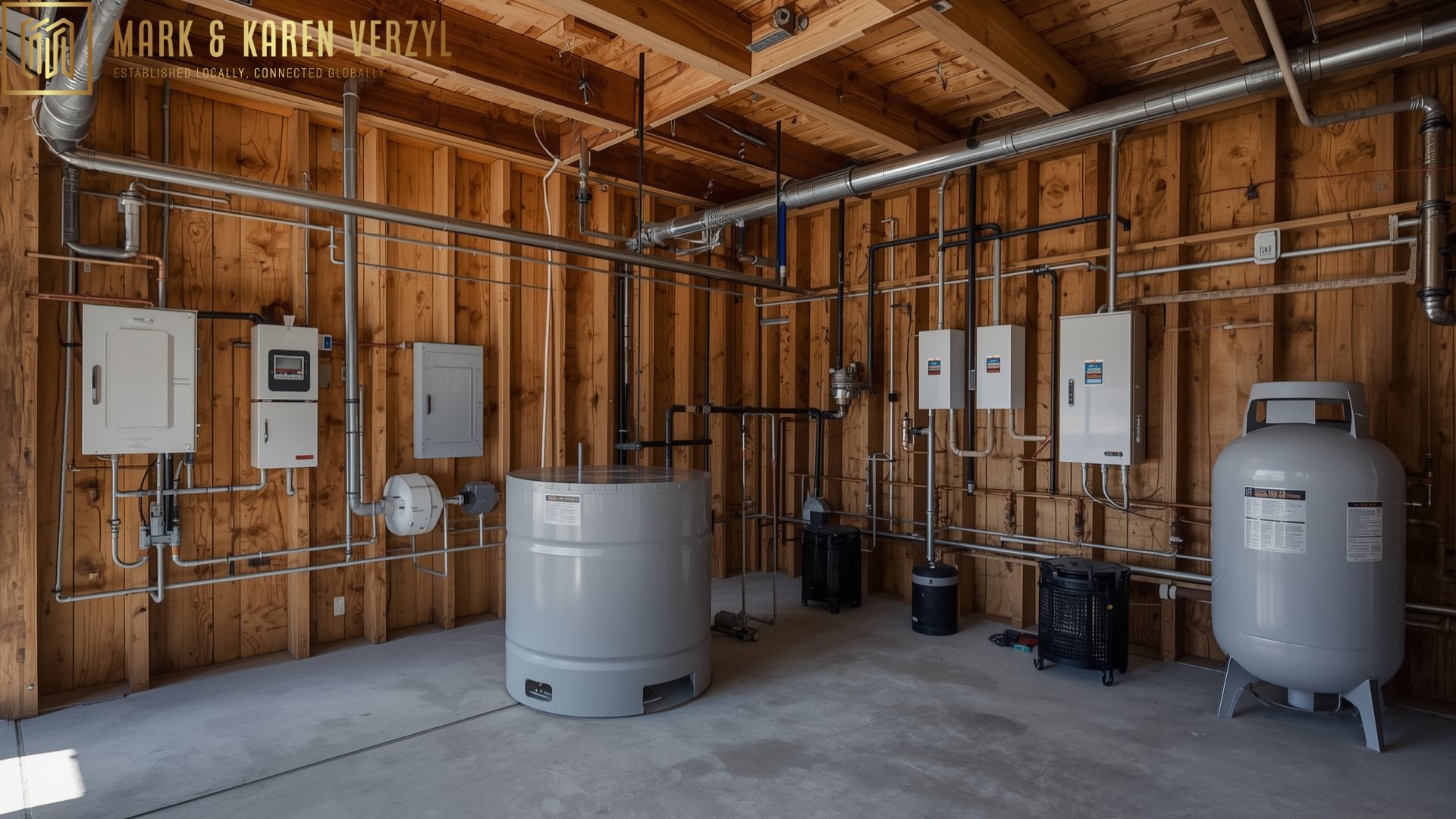
Propane systems serving large properties may include multiple tanks and distribution networks for heating, cooking, and recreational facilities. Regular inspections of tanks, lines, and connections ensure safe operation, while proper scheduling of deliveries prevents service interruptions. Understanding system capacity and usage patterns helps optimize fuel management and costs.
Comprehensive Landscape and Grounds Management
For additional context, see expert insights in this article.
Landscape maintenance on large acreage properties requires understanding the specific needs of different zones and environments across the estate. Formal gardens near the residence typically require intensive care including regular watering, fertilization, pruning, and seasonal plantings. These areas often showcase the property’s aesthetic appeal and require consistent attention to maintain their visual impact and plant health.
Irrigation systems serving extensive properties involve complex networks of zones, controllers, and distribution methods. Regular inspection of sprinkler heads, drip emitters, and control valves ensures efficient water usage and prevents costly water waste. Seasonal maintenance includes winterization procedures in cold climates and spring startup protocols to prevent freeze damage and ensure proper system function.
Tree care on large properties often involves managing mature specimens that provide significant landscape value but require specialized maintenance. Regular pruning, disease monitoring, and pest management help preserve tree health and prevent safety hazards. Professional arborists can assess tree conditions, recommend appropriate care, and handle complex procedures like large limb removal or disease treatment.
Pasture and field management requires understanding grass species, soil conditions, and appropriate maintenance schedules. Regular mowing, fertilization, and weed control maintain healthy growth and prevent invasive species establishment. Properties used for livestock require additional considerations including fence maintenance, water system management, and rotational grazing protocols.
Seasonal cleanup activities on large properties require significant planning and resources. Fall leaf removal, spring debris cleanup, and storm damage assessment become major undertakings that may require professional assistance or specialized equipment. Developing efficient cleanup protocols and maintaining necessary equipment helps manage these seasonal requirements effectively.
Seasonal Maintenance Planning and Preparation
For additional context, see step-by-step instructions.
Winter preparation for large acreage properties involves extensive protocols that protect both structures and landscapes from cold weather damage. Irrigation system winterization requires draining all lines, blowing out remaining water, and shutting down pumps and controllers to prevent freeze damage. This process becomes more complex as system size increases, often requiring professional assistance to ensure complete protection.
Heating system preparation for multiple buildings requires coordinating maintenance across various structures and system types. Furnace inspections, filter replacements, and fuel system checks ensure reliable operation during cold months. Properties with multiple heating zones or buildings may require specialized scheduling to complete all necessary maintenance before winter weather arrives.
Spring restoration activities focus on assessing winter damage and preparing systems for the growing season. Irrigation system startup involves careful inspection of all components, testing of controllers and valves, and gradual system pressurization to identify any winter damage. Landscape assessment helps identify plants that require replacement or additional care after winter stress.
Summer maintenance emphasizes efficient resource management and heat stress prevention. Irrigation scheduling becomes critical for maintaining landscape health while managing water costs and usage. Equipment maintenance for mowers, tractors, and other machinery ensures reliable operation during peak usage periods when breakdowns can significantly impact property appearance.
Fall preparation involves extensive cleanup activities and winter preparation protocols. Leaf removal on large properties requires strategic planning and adequate equipment or professional assistance. Winterization of outdoor facilities, equipment storage, and final irrigation system maintenance prepare the property for winter conditions and ensure smooth spring startup.
Professional Services and Vendor Management
Coordinating multiple service providers across large acreage properties requires careful planning and communication to ensure efficient operations and consistent quality standards. Property owners often work with landscaping companies, irrigation specialists, tree services, infrastructure maintenance contractors, and seasonal cleanup crews, each requiring specific scheduling and oversight protocols.
Establishing long-term relationships with reliable service providers offers significant advantages for large property maintenance. Vendors who understand the property’s specific needs, systems, and quality expectations can provide more efficient service and often offer better pricing for ongoing maintenance contracts. Regular communication and performance evaluation help maintain these valuable relationships.
Many luxury homeowners find that working with sustainable maintenance practices not only reduces environmental impact but also provides long-term cost savings through improved efficiency. Professional property managers can coordinate these various services while ensuring consistent quality standards and efficient scheduling across all maintenance activities.
Quality control becomes increasingly important as the number of service providers and maintenance activities increases. Developing clear expectations, regular inspection protocols, and feedback systems helps ensure all work meets the property’s standards. Documentation of all service activities, including photos and detailed reports, provides valuable records for warranty claims and future planning.
Emergency response planning requires identifying reliable contractors who can respond quickly to urgent situations like storm damage, system failures, or security issues. Maintaining relationships with emergency service providers and having clear contact protocols helps minimize damage and restore normal operations quickly when problems occur.
For those considering property improvements, understanding value enhancement strategies can help prioritize maintenance investments that provide the greatest return while maintaining the property’s luxury standards and market appeal.
Frequently Asked Questions
How much should I budget annually for maintaining a large acreage luxury property?
Annual maintenance costs typically range from 3-7% of the property’s total value, with larger acreage properties often requiring budgets at the higher end of this range. Factors affecting costs include property size, number of structures, infrastructure complexity, and regional climate conditions. It’s advisable to maintain a separate emergency fund for unexpected repairs or storm damage.
Do I need professional property management for my large acreage estate?
Professional property management becomes increasingly valuable as property size and complexity increase. Properties exceeding 10-15 acres with multiple buildings and complex systems often benefit from dedicated management to coordinate vendors, maintain schedules, and ensure quality standards. The decision depends on your available time, expertise, and preference for hands-on involvement.
What are the most critical systems to monitor on large acreage properties?
Water systems, septic systems, electrical infrastructure, and heating systems require the most attention due to their complexity and potential for costly failures. Regular professional inspections of these systems help identify issues early and prevent major problems. Private roads and security systems also require consistent monitoring and maintenance.
How do I prepare my large property for extreme weather conditions?
Develop comprehensive seasonal preparation protocols that address all property systems and structures. This includes irrigation winterization, heating system preparation, emergency generator testing, and storm damage prevention measures. Maintain relationships with emergency service providers and keep essential supplies on hand for weather-related issues.
What equipment should I own versus hire professionals for maintenance tasks?
Basic maintenance equipment like riding mowers, utility vehicles, and hand tools provide value for routine tasks. However, specialized equipment for infrastructure maintenance, tree care, and major landscape work is often better hired as needed. Consider equipment storage requirements, maintenance costs, and usage frequency when making purchase decisions.
How can I make my large property maintenance more environmentally sustainable?
Implement water-efficient irrigation systems, use native plant species in landscaping, and choose eco-friendly maintenance products. Solar-powered systems for lighting and water pumping can reduce energy consumption. Composting programs and integrated pest management approaches also support sustainability goals while potentially reducing costs.
What records should I maintain for my large acreage property?
Keep detailed records of all maintenance activities, vendor contacts, system specifications, warranty information, and inspection reports. Photo documentation of completed work and system conditions provides valuable reference material. Digital organization systems help manage the volume of information generated by complex property maintenance.
How do I handle maintenance during extended absences from the property?
Establish reliable caretaking arrangements or property management services that can handle routine maintenance and emergency situations. Install monitoring systems for critical infrastructure like security, heating, and water systems. Develop clear protocols for vendor access, emergency contacts, and decision-making authority during your absence.
Conclusion
Successfully maintaining a luxury home on large acreage requires comprehensive planning, adequate resources, and often professional assistance to manage the complex systems and extensive grounds that define these exceptional properties. The scale and sophistication of such estates demand maintenance approaches that go far beyond typical residential care, requiring specialized knowledge and coordinated efforts across multiple property elements.
The investment in proper maintenance extends beyond immediate costs to include long-term property value preservation and the enjoyment that comes from a well-functioning estate. Properties that receive consistent, professional-quality maintenance retain their market appeal and provide reliable performance of all systems and amenities. This attention to detail becomes particularly important for luxury properties where expectations are high and the costs of neglect can be substantial.
For those considering relocating to luxury markets or currently managing extensive properties, understanding these maintenance requirements helps ensure successful property ownership. Working with experienced professionals like Mark Verzyl, who understands the unique challenges of luxury property ownership, can provide valuable guidance for both prospective buyers and current owners seeking to optimize their property maintenance strategies.
The rewards of owning and properly maintaining a large acreage luxury property are substantial, offering unparalleled privacy, space, and lifestyle benefits that justify the investment in comprehensive care. With proper planning, adequate resources, and professional support when needed, these exceptional properties can provide decades of enjoyment while maintaining their value and functionality for future generations.