
Luxury homeowners face unique security challenges that extend far beyond the concerns of typical residential properties. High-end homes often contain valuable artwork, jewelry, electronics, and other assets that make them attractive targets for sophisticated criminals. The combination of substantial wealth indicators and often secluded locations creates a perfect storm of vulnerability that requires comprehensive security planning and implementation.
The modern luxury home security landscape has evolved dramatically in recent years, driven by advances in technology and an increased awareness of the sophisticated methods employed by today’s criminals. Unlike standard home security systems that focus primarily on basic intrusion detection, luxury home security requires a multi-layered approach that addresses everything from perimeter protection to internal asset security and emergency response protocols.
Understanding the specific vulnerabilities of luxury properties is crucial for developing an effective security strategy. These homes often feature expansive grounds, multiple entry points, large windows, and complex architectural designs that can create blind spots and security gaps. Additionally, the lifestyle patterns of luxury homeowners, including frequent travel, social events, and public visibility, can inadvertently provide criminals with valuable intelligence about when properties are most vulnerable.
The financial investment required to properly secure a luxury home is substantial, but it pales in comparison to the potential losses from a successful breach. Beyond the immediate financial impact of stolen items, luxury homeowners must also consider the emotional trauma, privacy violations, and long-term security concerns that result from unauthorized access. A comprehensive security approach not only protects physical assets but also preserves the peace of mind that should come with luxury living.
This comprehensive guide will explore the essential elements of luxury home security, from cutting-edge technology solutions to time-tested physical security measures. We’ll examine how to create multiple layers of protection that work together to deter, detect, and respond to potential threats while maintaining the aesthetic appeal and functionality that luxury homeowners expect from their properties.
Key Takeaways
For additional context, see this comprehensive guide.
- Multi-layered security approach: Effective luxury home security requires combining physical barriers, electronic systems, and human resources to create overlapping protection zones that make unauthorized access extremely difficult and risky for potential intruders.
- Perimeter protection priority: The first line of defense should focus on preventing unauthorized individuals from accessing the property grounds, utilizing advanced fencing, gates, surveillance systems, and landscape design that eliminates hiding spots while maintaining aesthetic appeal.
- Smart technology integration: Modern luxury homes benefit from sophisticated security systems that incorporate artificial intelligence, facial recognition, automated responses, and remote monitoring capabilities that provide real-time awareness and immediate threat response.
- Professional monitoring services: 24/7 professional monitoring by trained security personnel ensures immediate response to potential threats, proper coordination with law enforcement, and ongoing system maintenance that keeps security measures operating at peak effectiveness.
- Access control management: Implementing strict protocols for who can access the property, when they can enter, and what areas they can visit helps prevent both external threats and internal security breaches from service providers, staff, and guests.
- Regular security assessments: Ongoing evaluation of security measures, threat landscapes, and system performance ensures that protection strategies evolve with changing risks and maintain effectiveness against increasingly sophisticated criminal methods.
- Discretion and privacy protection: Luxury home security must balance visible deterrents with discrete protection measures that don’t compromise the property’s aesthetic appeal or advertise the presence of valuable assets to potential criminals.
Understanding Luxury Home Security Vulnerabilities
For additional context, see detailed information on this topic.
Luxury homes present unique security challenges that distinguish them from standard residential properties. The sheer size of these properties often means multiple entry points, extensive grounds, and complex architectural features that can create security blind spots. Large windows, skylights, and glass doors that enhance the aesthetic appeal of luxury homes also provide potential access points for determined intruders.
The isolated nature of many luxury properties, while providing privacy and exclusivity, also means that criminal activity may go unnoticed for extended periods. Unlike densely populated neighborhoods where suspicious activity might be quickly observed and reported, luxury homes in secluded locations rely heavily on technological security measures and professional monitoring services to detect and respond to threats.
High-value assets within luxury homes extend beyond typical household items to include art collections, jewelry, wine cellars, and expensive electronics that require specialized protection strategies. These items often have specific environmental and security requirements that must be integrated into the overall home security plan without compromising their accessibility or display value.
The lifestyle patterns of luxury homeowners can inadvertently create security vulnerabilities. Frequent travel, social media presence, and public visibility can provide criminals with valuable intelligence about when properties are vacant and what assets might be available. Social events and entertaining can also introduce temporary security risks as guests and service providers gain access to normally restricted areas.
Understanding these vulnerabilities is essential for developing comprehensive security strategies that address both obvious and subtle risks. For homeowners considering ways to enhance their property’s overall appeal and security features, exploring strategies to increase property value can provide insights into improvements that serve dual purposes of enhancement and protection.
Advanced Perimeter Security Systems
For additional context, see our in-depth resource.
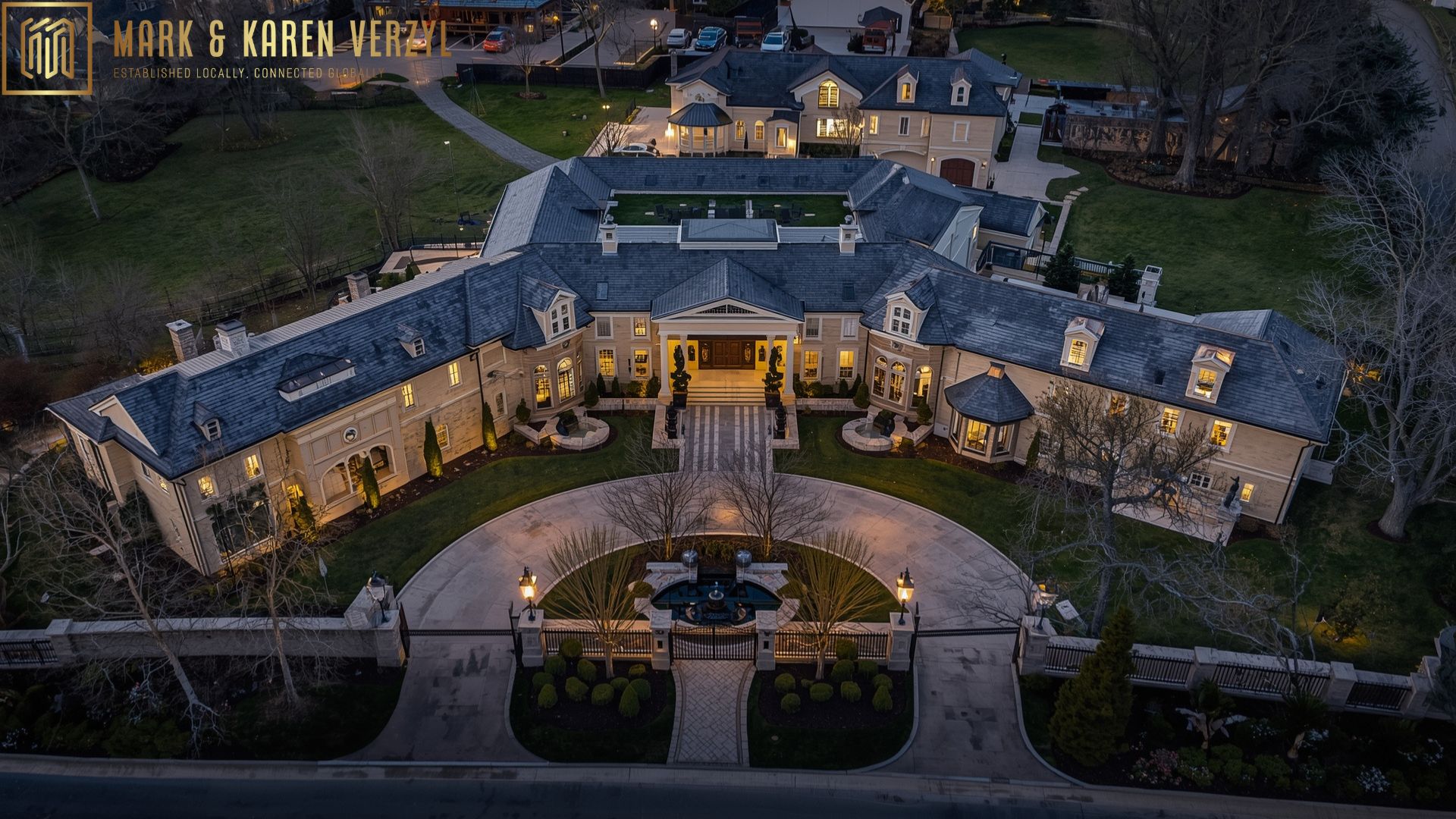
The perimeter of a luxury property represents the first and most critical line of defense against unauthorized access. Modern perimeter security systems go far beyond traditional fencing and gates to incorporate sophisticated detection technologies, intelligent barriers, and integrated response capabilities that create an virtually impenetrable first layer of protection.
Smart fencing systems now incorporate fiber optic sensors, vibration detection, and thermal imaging capabilities that can distinguish between environmental factors like wind or small animals and genuine security threats. These systems can be calibrated to eliminate false alarms while maintaining sensitivity to human intrusion attempts, providing reliable perimeter monitoring without constant interruptions.
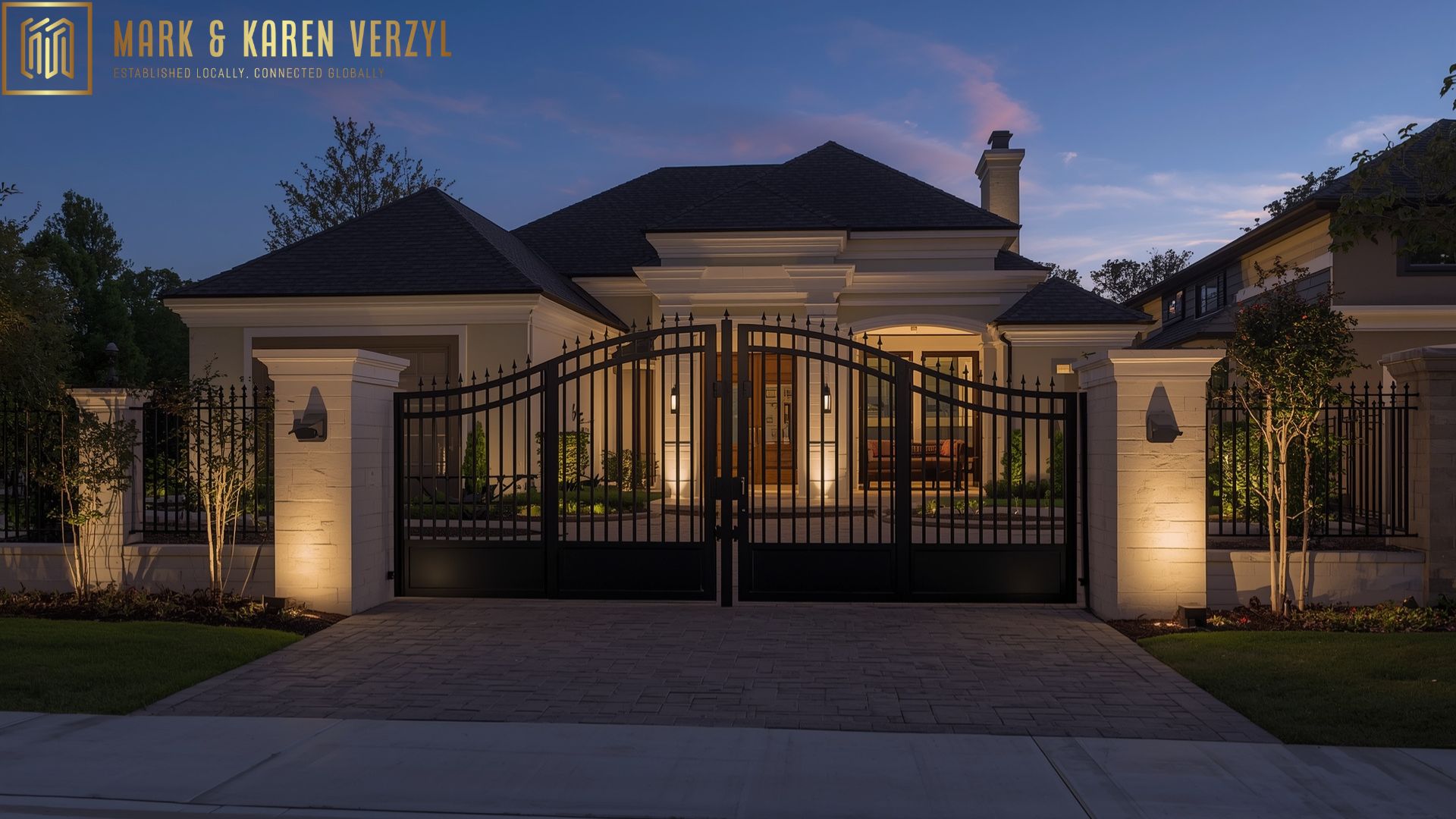
Access control at entry points has evolved to include biometric scanners, license plate recognition, and visitor management systems that create detailed logs of everyone entering and leaving the property. Multi-factor authentication requirements ensure that even if one security measure is compromised, additional barriers prevent unauthorized access. Integration with mobile devices allows homeowners to grant temporary access remotely and receive real-time notifications of all entry activity.
Landscape design plays a crucial role in perimeter security by eliminating hiding spots, creating natural barriers, and providing clear sight lines for surveillance systems. Strategic placement of lighting, both visible and infrared, ensures that perimeter areas remain under constant observation regardless of weather or time of day. Motion-activated lighting serves as both a deterrent and an alert system while maintaining the property’s aesthetic appeal during normal conditions.
Underground detection systems can identify tunneling attempts or unauthorized access through utility corridors, addressing sophisticated breach attempts that might bypass above-ground security measures. These systems integrate with the overall security network to provide comprehensive perimeter protection that accounts for all possible intrusion methods.
The integration of artificial intelligence in perimeter security systems enables predictive threat assessment and automated response protocols. These systems can learn normal patterns of activity around the property and identify anomalies that might indicate reconnaissance or preparation for criminal activity, allowing for proactive security measures rather than reactive responses.
Interior Security Technology and Monitoring
Interior security systems for luxury homes must provide comprehensive protection while remaining virtually invisible to maintain the property’s aesthetic integrity. Modern systems integrate seamlessly into the home’s design, utilizing hidden cameras, discrete sensors, and smart home technology that provides robust security without compromising the living experience.
Advanced motion detection systems use multiple technologies including infrared, microwave, and artificial intelligence-powered video analytics to distinguish between authorized occupants, pets, and potential intruders. These systems can be programmed with detailed floor plans and normal activity patterns to reduce false alarms while maintaining high sensitivity to genuine threats.
Smart home integration allows security systems to coordinate with lighting, climate control, and entertainment systems to create realistic occupancy simulation when the home is vacant. Automated routines can adjust throughout the day to mimic normal living patterns, making it difficult for potential criminals to determine when the property is unoccupied.
Panic rooms and safe rooms represent the ultimate interior security measure, providing secure retreat spaces with independent communication systems, air filtration, and emergency supplies. Modern panic rooms can be seamlessly integrated into home designs, appearing as standard rooms while providing ballistic protection and secure communication capabilities during emergencies.
Asset-specific security measures protect high-value items through specialized display cases, hidden safes, and environmental monitoring systems that ensure valuable collections remain both secure and properly preserved. Biometric access controls and time-locked systems provide additional layers of protection for the most valuable assets.
Professional monitoring services provide 24/7 oversight of interior security systems, with trained operators who can assess threats, coordinate emergency responses, and maintain communication with homeowners and law enforcement. These services often include regular system testing and maintenance to ensure optimal performance at all times. Homeowners investing in comprehensive security upgrades often find that these improvements align well with luxury remodeling projects that enhance both security and property value.
Access Control and Visitor Management
Comprehensive access control systems form the backbone of luxury home security, managing who can enter the property, when they can access specific areas, and maintaining detailed records of all activity. Modern access control goes beyond simple key cards or codes to incorporate biometric authentication, behavioral analysis, and intelligent visitor management that provides security without sacrificing convenience.
Biometric access control systems using fingerprint, facial recognition, or iris scanning technology ensure that only authorized individuals can gain entry to the property. These systems can be programmed with different access levels, allowing family members full access while restricting service providers, guests, or staff to specific areas and time periods. The integration of artificial intelligence allows these systems to learn and adapt to changing access patterns while maintaining strict security protocols.
Visitor management systems create secure protocols for handling guests, deliveries, and service appointments. Pre-registration systems allow homeowners to approve visitors in advance, while temporary access codes can be generated for specific time periods and automatically expire after use. Video intercom systems with mobile integration enable homeowners to screen and communicate with visitors remotely, even when traveling.
Staff and service provider management requires specialized protocols that balance security needs with operational efficiency. Background check integration, regular access audits, and escort requirements for certain areas help maintain security while allowing necessary services to continue. Digital key management systems eliminate the security risks associated with physical keys while providing detailed logs of all access activity.
Multi-zone access control allows different areas of the property to have varying security levels, with the most sensitive spaces requiring additional authentication or escort protocols. This approach ensures that routine access to common areas doesn’t compromise the security of private spaces or high-value asset storage areas.
Emergency access protocols ensure that security systems don’t impede emergency responders while maintaining protection against unauthorized entry. These systems can automatically unlock specific doors, disable certain security measures, and provide emergency services with necessary access codes or override capabilities during genuine emergencies.
Integration with home automation systems allows access control to trigger appropriate environmental settings, lighting, and security configurations based on who is entering and what areas they’re accessing. This creates a seamless experience for authorized users while maintaining strict security protocols for all access events.
Professional Security Services and Response Protocols
Professional security services provide the human element that technology alone cannot deliver, offering trained expertise, immediate response capabilities, and ongoing security assessment that adapts to changing threat landscapes. The integration of professional services with technological security measures creates a comprehensive protection strategy that addresses both prevention and response.
24/7 monitoring services staffed by trained security professionals provide continuous oversight of all security systems, with the expertise to distinguish between false alarms and genuine threats. These professionals maintain direct communication channels with local law enforcement, emergency services, and private security response teams to ensure rapid coordination during security incidents.
On-site security personnel, whether permanent or patrol-based, provide visible deterrence and immediate response capabilities that technology cannot match. Trained security officers can assess situations in real-time, make complex decisions about appropriate responses, and provide personal protection services when needed. The presence of professional security personnel also serves as a strong deterrent to potential criminals who prefer targets without human security elements.
Regular security assessments conducted by professional services help identify evolving vulnerabilities and ensure that security measures remain effective against current threat methods. These assessments include physical security reviews, technology system evaluations, and procedural audits that identify areas for improvement or upgrade.
Emergency response protocols developed by security professionals ensure that all potential scenarios have predetermined response procedures that minimize response time and maximize effectiveness. These protocols include coordination with law enforcement, medical services, and private security resources, with clear communication chains and decision-making authority.
Threat intelligence services provide ongoing information about criminal trends, new attack methods, and specific threats that might target luxury properties in the area. This intelligence allows security measures to be proactively adjusted to address emerging risks before they become active threats.
The selection and management of professional security services requires careful consideration of credentials, experience, and compatibility with the homeowner’s lifestyle and privacy requirements. Mark Verzyl understands the importance of comprehensive security planning in luxury real estate and can provide guidance on integrating security considerations into property selection and improvement decisions. For homeowners considering current design trends, security integration should be a key factor in planning any renovations or updates.
Frequently Asked Questions
What is the most important security feature for a luxury home?
The most important security feature is a comprehensive perimeter protection system that prevents unauthorized access to the property grounds. This includes smart fencing, controlled access points, surveillance systems, and professional monitoring that work together to create the first line of defense.
How much should I budget for luxury home security systems?
Luxury home security typically requires an investment of 1-3% of the property’s value for comprehensive protection. This includes initial system installation, ongoing monitoring services, and regular maintenance. The exact cost depends on property size, asset value, and specific security requirements.
Can security systems be integrated with smart home technology?
Yes, modern security systems are designed to integrate seamlessly with smart home platforms, allowing unified control of security, lighting, climate, and entertainment systems. This integration enhances both security effectiveness and user convenience while maintaining the property’s aesthetic appeal.
How do I balance security with maintaining my home’s aesthetic appeal?
Contemporary security systems prioritize discrete integration, using hidden cameras, wireless sensors, and architectural elements that serve dual security and aesthetic purposes. Professional design consultation can ensure security measures enhance rather than detract from the property’s visual appeal.
What should I look for in a professional security monitoring service?
Key factors include 24/7 staffing by trained professionals, direct law enforcement coordination, redundant communication systems, regular system testing protocols, and experience with luxury property security requirements. Verify licensing, insurance, and references from similar properties.
How often should security systems be updated or upgraded?
Security systems should undergo comprehensive review annually, with technology updates every 3-5 years to maintain effectiveness against evolving threats. However, immediate upgrades may be necessary when new vulnerabilities are identified or significant changes occur in the threat landscape.
Are there specific security considerations for luxury homes with valuable art collections?
Art collections require specialized protection including environmental monitoring, vibration detection, discrete surveillance, and specialized display security. Insurance requirements often dictate specific security measures, and professional art security consultation is recommended for significant collections.
How can I ensure my security measures comply with local regulations?
Work with licensed security professionals familiar with local building codes, privacy laws, and permit requirements. Some security measures may require permits or have restrictions on placement and operation. Professional consultation ensures compliance while maximizing security effectiveness.
Conclusion
Protecting a luxury home from unauthorized access requires a sophisticated, multi-layered approach that combines cutting-edge technology with professional expertise and strategic planning. The unique vulnerabilities of high-end properties demand security solutions that go far beyond standard residential protection, addressing everything from perimeter defense to asset-specific protection and emergency response protocols.
The investment in comprehensive security measures represents not just protection for valuable assets, but preservation of the peace of mind and privacy that should accompany luxury living. Modern security systems offer the ability to maintain the aesthetic integrity and functionality of luxury properties while providing robust protection against increasingly sophisticated threats.
Success in luxury home security requires ongoing attention to evolving threats, regular system updates, and professional guidance to ensure that protection measures remain effective and appropriate. The integration of security considerations into broader property planning, including sustainable upgrades and renovations, ensures that security enhancements contribute to rather than detract from the property’s overall value and appeal.
As the luxury real estate market continues to evolve, security considerations will play an increasingly important role in property value and marketability. Homeowners who invest in comprehensive security measures not only protect their current assets but also position their properties favorably for future resale or refinancing opportunities. For those considering luxury home purchases or security upgrades, professional guidance can help navigate the complex landscape of modern security solutions while ensuring that investments provide maximum protection and value.