
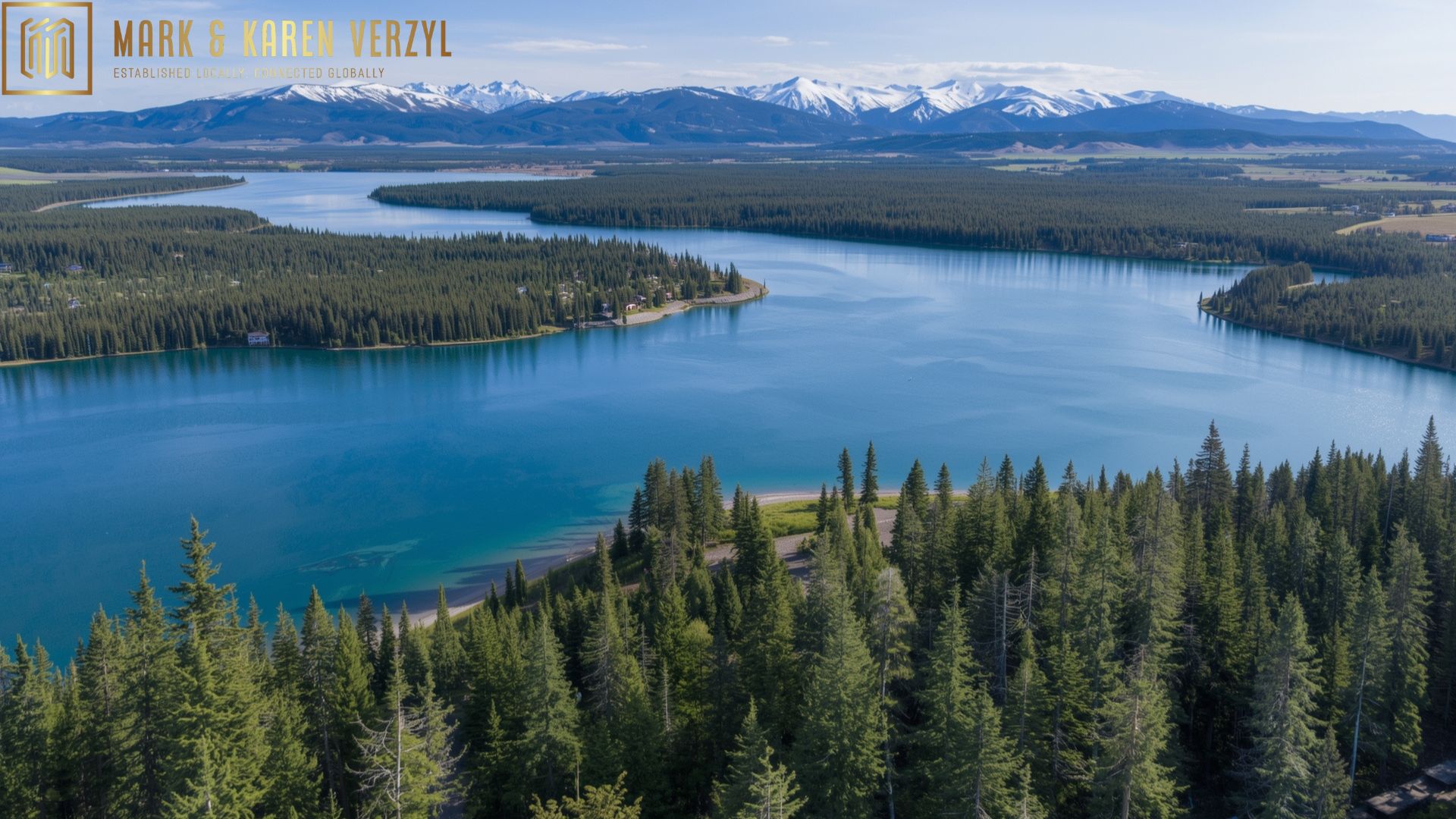
Owning a lakefront property in Alberta represents one of the most coveted real estate investments in Canada, offering unparalleled natural beauty, recreational opportunities, and lifestyle benefits that extend far beyond traditional homeownership. Alberta’s diverse landscape features hundreds of pristine lakes, from the crystal-clear waters of Lake Louise to the expansive shores of Lac La Biche, each presenting unique opportunities for those seeking waterfront living.
The allure of lakefront ownership in Alberta stems from the province’s remarkable geography, which combines mountain-fed lakes in the west with boreal forest-surrounded waters in the north and east. This diversity means potential owners can choose from alpine settings with dramatic mountain backdrops, peaceful prairie lakes offering endless horizons, or secluded forest retreats providing ultimate privacy and tranquility.
However, lakefront property ownership in Alberta comes with distinct considerations that differ significantly from conventional real estate purchases. Understanding water rights, environmental regulations, seasonal accessibility, and maintenance requirements becomes crucial for making informed decisions. The investment potential varies considerably based on location, with properties near Calgary and Edmonton commanding premium prices, while more remote locations offer affordability but may present challenges in terms of services and year-round access.
Alberta’s climate adds another layer of complexity to lakefront ownership, as properties must withstand harsh winters, spring flooding potential, and significant temperature variations throughout the year. These factors influence everything from construction materials and home design to insurance requirements and ongoing maintenance costs. Additionally, the recreational season, while spectacular during summer months, is relatively short compared to more temperate regions, affecting both personal enjoyment and rental income potential.
For those considering this investment, understanding the legal framework governing waterfront properties in Alberta is essential. Provincial regulations regarding shoreline development, environmental protection, and water access rights can significantly impact property use and future development potential. Working with experienced professionals who understand these complexities becomes invaluable for navigating the unique challenges and opportunities that lakefront ownership presents.
Key Takeaways
For additional context, see this comprehensive guide.
- Water Rights and Legal Considerations: Lakefront property ownership in Alberta involves complex water rights that don’t automatically transfer with land ownership. Understanding riparian rights, Crown land boundaries, and provincial regulations governing water access is crucial before purchase.
- Environmental Regulations: Alberta’s environmental protection laws strictly regulate shoreline development, septic systems, and construction near water bodies. Compliance with these regulations affects both initial development costs and ongoing property use restrictions.
- Seasonal Accessibility: Many lakefront properties in Alberta experience limited winter access due to unpaved roads, remote locations, and harsh weather conditions. This impacts year-round living potential and emergency service availability.
- Insurance and Risk Management: Lakefront properties face unique risks including flooding, ice damage, and higher liability exposure. Specialized insurance coverage is often required and can be significantly more expensive than standard homeowner’s policies.
- Maintenance and Infrastructure: Waterfront properties require specialized maintenance including dock systems, shoreline erosion control, and water quality management. Infrastructure costs for utilities, septic systems, and road maintenance can be substantial.
- Investment Potential: While lakefront properties typically appreciate well over time, market liquidity can be limited due to the specialized nature of these properties. Location proximity to urban centers significantly impacts both appreciation potential and resale timeline.
- Recreational Regulations: Understanding boating regulations, fishing licenses, and recreational use restrictions is essential for maximizing property enjoyment while remaining compliant with provincial and federal laws.
Understanding Alberta’s Lakefront Property Landscape
For additional context, see detailed information on this topic.
Alberta’s lakefront property market encompasses an extraordinary range of options, from luxury estates on world-renowned lakes to affordable recreational properties on lesser-known waters. The province boasts over 600 lakes larger than eight hectares, creating diverse opportunities for waterfront ownership across various price points and lifestyle preferences.
The most prestigious lakefront properties are typically found in the Rocky Mountain region, where lakes like Lake Louise, Moraine Lake, and Bow Lake offer stunning alpine settings. However, many of these areas fall within national or provincial parks, severely limiting private ownership opportunities. When available, these properties command premium prices often exceeding several million dollars due to their rarity and spectacular settings.
Moving eastward, the foothills region presents excellent opportunities for lakefront ownership with properties offering mountain views while maintaining reasonable accessibility to Calgary and Edmonton. Lakes such as Gull Lake, Pigeon Lake, and Sylvan Lake have become increasingly popular for both permanent residence and recreational use, driving steady appreciation in property values.
Northern Alberta offers some of the province’s most affordable lakefront options, with vast wilderness lakes providing exceptional privacy and natural beauty. However, these properties often require significant consideration regarding accessibility, as many are accessible only by seasonal roads or require all-terrain vehicles during certain times of the year.
The central Alberta region, including areas around Red Deer and Lacombe, provides an excellent balance of accessibility and natural beauty. These locations offer reasonable proximity to urban amenities while maintaining the peaceful lakefront lifestyle that draws many buyers to waterfront properties. For those considering a move to this region, detailed information on relocating to Alberta can provide valuable insights into the transition process.
Legal Framework and Water Rights
For additional context, see our in-depth resource.
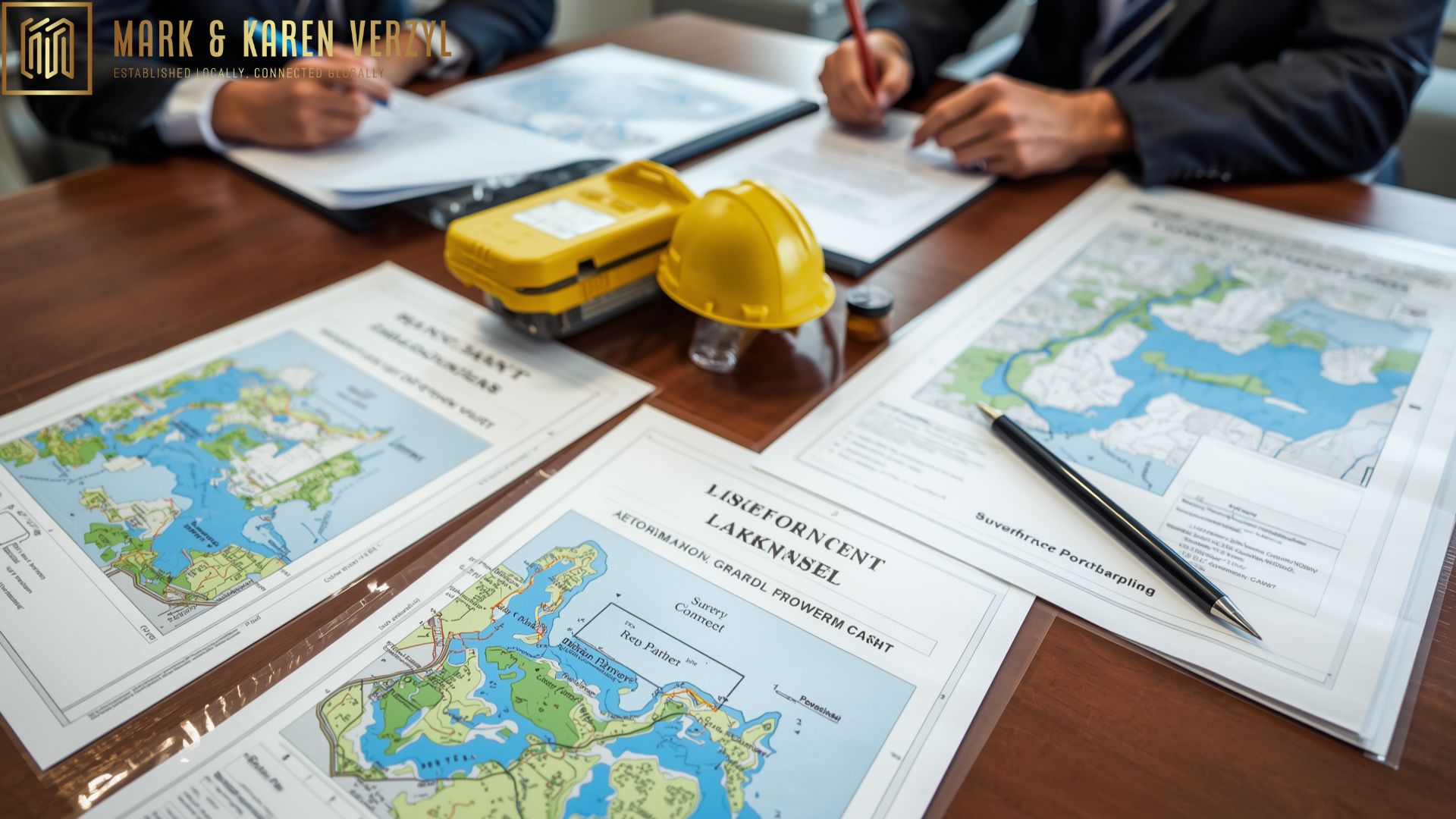
Understanding the legal complexities surrounding lakefront property ownership in Alberta requires careful examination of both provincial regulations and federal laws governing water bodies. Unlike some jurisdictions where waterfront ownership extends into the water itself, Alberta maintains strict distinctions between private land ownership and public water rights.
In Alberta, most lake beds and the water itself remain under Crown ownership, meaning private property typically extends only to the high-water mark. This distinction becomes crucial when considering dock installation, shoreline modifications, or any development that extends into the water. Property owners must obtain proper permits and approvals for any structures or modifications that impact the shoreline or extend into Crown waters.
Riparian rights, which govern the use of water adjacent to private property, provide certain privileges to lakefront property owners but also come with responsibilities. These rights typically include reasonable access to the water for domestic use, recreational activities, and in some cases, limited commercial use. However, these rights cannot be exercised in ways that significantly impact other users or the environment.
Environmental protection legislation adds another layer of complexity to lakefront ownership. The Alberta Environmental Protection and Enhancement Act regulates activities that could impact water quality, fish habitat, or shoreline integrity. This includes restrictions on septic system placement, requirements for environmental impact assessments for larger developments, and regulations governing vegetation removal near shorelines.
Municipal bylaws often provide additional regulations specific to local conditions and community standards. These may include restrictions on dock sizes, boat storage, noise levels, and architectural standards for waterfront construction. Understanding these local regulations is essential, as violations can result in significant fines and requirements to remove non-compliant improvements.
Water allocation and usage rights represent another critical consideration, particularly for properties requiring significant water usage for irrigation, commercial activities, or large-scale domestic use. Alberta’s water allocation system requires licenses for most significant water uses, and obtaining these licenses can be complex and time-consuming.
Environmental Considerations and Sustainability
Environmental stewardship plays a crucial role in responsible lakefront property ownership in Alberta, as these sensitive ecosystems require careful management to maintain their natural beauty and ecological integrity. Understanding environmental impacts and implementing sustainable practices not only protects the natural environment but also preserves property values and ensures long-term enjoyment of the waterfront lifestyle.
Water quality management represents one of the most critical environmental considerations for lakefront property owners. Alberta’s lakes face various threats including nutrient loading from septic systems, agricultural runoff, and urban development. Property owners must ensure their septic systems are properly designed, installed, and maintained to prevent contamination of groundwater and surface water. This often requires specialized septic systems designed for lakefront conditions, which can be significantly more expensive than conventional systems.
Shoreline erosion control becomes essential for protecting both property values and environmental integrity. Natural shorelines provide important habitat for fish and wildlife while offering superior erosion protection compared to hardened shorelines. Property owners should consider environmentally friendly erosion control methods such as bioengineering techniques that use native vegetation and natural materials to stabilize shorelines while maintaining ecological function.
Wildlife habitat preservation is another crucial consideration, as lakefront properties often provide critical habitat for various species including waterfowl, fish, and terrestrial wildlife. Maintaining natural vegetation buffers along shorelines, avoiding excessive lighting that can disrupt wildlife patterns, and designing landscaping to complement rather than replace natural habitats helps preserve the ecological value that makes lakefront living so appealing.
Climate change impacts are increasingly affecting Alberta’s lakes, with changing precipitation patterns, earlier ice melts, and more frequent extreme weather events. Property owners should consider these factors when planning improvements and maintenance strategies. For those looking to enhance their properties while maintaining environmental responsibility, exploring sustainable upgrade options can provide valuable guidance on environmentally conscious improvements.
Sustainable building practices become particularly important for lakefront construction, where environmental sensitivity is heightened. This includes selecting appropriate building materials that can withstand moisture and temperature extremes while minimizing environmental impact, implementing energy-efficient systems that reduce the property’s carbon footprint, and designing structures that complement rather than dominate the natural landscape.
Financial Considerations and Investment Potential
The financial aspects of lakefront property ownership in Alberta extend far beyond the initial purchase price, encompassing ongoing costs, investment potential, and unique financing considerations that differentiate waterfront properties from conventional real estate investments. Understanding these financial implications is essential for making informed decisions about lakefront property ownership.
Purchase prices for lakefront properties in Alberta vary dramatically based on location, accessibility, and amenities. Properties within reasonable driving distance of Calgary or Edmonton typically command premium prices, often 50-100% higher than comparable non-waterfront properties. Remote locations may offer more affordable entry points but often require significant additional investments in infrastructure, access roads, and utilities.
Ongoing maintenance costs for lakefront properties typically exceed those of conventional properties due to the harsh environmental conditions and specialized systems required. Dock maintenance, shoreline protection, specialized insurance, and seasonal property preparation can add thousands of dollars annually to ownership costs. Additionally, many lakefront properties rely on private water and septic systems, which require regular maintenance and eventual replacement at significantly higher costs than municipal services.
Insurance considerations for lakefront properties are complex and often expensive. Standard homeowner’s insurance may not adequately cover flood damage, ice damage, or liability issues associated with water access. Specialized waterfront insurance policies are often required, and these can cost 25-50% more than standard coverage. Additionally, properties in remote locations may face limited coverage options and higher premiums due to increased emergency response times.
Financing lakefront properties can present unique challenges, as lenders often view these properties as higher risk investments. Some financial institutions require larger down payments for waterfront properties, particularly in remote locations. Additionally, properties that are only seasonally accessible may face financing restrictions, as lenders prefer properties with year-round access for security and maintenance purposes.
Investment potential for lakefront properties in Alberta has historically been strong, with waterfront properties generally appreciating faster than non-waterfront properties over long-term periods. However, market liquidity can be limited due to the specialized nature of these properties and smaller buyer pools. Properties near urban centers typically offer better liquidity and more predictable appreciation patterns. For those considering lakefront ownership as part of a broader luxury real estate strategy, understanding comparative market conditions can provide valuable context for investment decisions.
Tax considerations for lakefront properties include potential implications for capital gains, particularly for properties used as recreational rather than principal residences. Additionally, some municipalities impose higher tax rates on waterfront properties, and owners should factor these ongoing costs into their investment calculations.
Practical Ownership and Maintenance Requirements
The day-to-day realities of lakefront property ownership in Alberta require careful planning and ongoing attention to unique maintenance needs that don’t affect conventional properties. From seasonal preparations to specialized systems management, successful lakefront ownership demands understanding and preparation for these practical considerations.
Seasonal property preparation represents one of the most significant ongoing responsibilities for lakefront property owners. Alberta’s harsh winters require extensive winterization procedures including draining water systems, protecting docks and waterfront structures from ice damage, and ensuring adequate heating systems to prevent freeze damage. Spring preparation involves reversing these processes while also addressing any winter damage and preparing recreational equipment for the upcoming season.
Dock and waterfront infrastructure maintenance requires specialized knowledge and often professional services. Dock systems must be designed to withstand ice movement, fluctuating water levels, and harsh weather conditions. Many owners choose removable dock systems that can be stored during winter months, while others invest in permanent structures designed to withstand year-round conditions. Regular inspection and maintenance of these systems is essential for both safety and longevity.
Water and septic system management becomes more complex for lakefront properties, particularly those in remote locations without municipal services. Private water systems require regular testing and maintenance to ensure water quality and system reliability. Septic systems must be carefully managed to prevent environmental contamination, often requiring more frequent pumping and specialized maintenance due to high water tables and environmental sensitivity near water bodies.
Access road maintenance can be a significant ongoing expense and responsibility for remote lakefront properties. Many properties rely on private or shared access roads that require regular maintenance, snow removal, and periodic reconstruction. Understanding maintenance responsibilities and cost-sharing arrangements with other property owners is essential before purchase.
Emergency preparedness takes on added importance for lakefront properties, particularly those in remote locations. Limited emergency service access, potential for severe weather impacts, and isolation during certain seasons require property owners to maintain emergency supplies, communication systems, and evacuation plans. This includes backup power systems, emergency medical supplies, and reliable communication methods for contacting emergency services.
Security considerations for lakefront properties often require specialized approaches due to their visibility from water access points and potential seasonal vacancy. Many owners invest in security systems designed for remote properties, including motion-activated lighting, surveillance cameras, and alarm systems that can operate reliably in harsh weather conditions. For those investing in high-end lakefront properties, implementing comprehensive property enhancement strategies can help maximize both security and investment value.
Frequently Asked Questions
Do I own the water in front of my lakefront property in Alberta? No, in Alberta, lake beds and water bodies typically remain under Crown ownership. Private property usually extends only to the high-water mark, and any structures extending into the water require proper permits and approvals from provincial authorities.
What permits do I need to build a dock on my lakefront property? Dock construction typically requires permits from Alberta Environment and Parks, and potentially federal approval if the water body supports fish habitat. Municipal permits may also be required. The permit process can take several months and requires detailed plans and environmental assessments.
How much more expensive is insurance for lakefront properties? Lakefront property insurance typically costs 25-50% more than standard homeowner’s insurance due to increased risks including flood damage, ice damage, and higher liability exposure. Specialized waterfront insurance policies are often required and may have different coverage limitations.
Can I use my lakefront property as a rental investment? Yes, many lakefront properties can be used as rental investments, but this depends on municipal zoning bylaws and regulations. Short-term rentals may face additional restrictions, and owners should verify local regulations before purchasing with rental income expectations.
What happens if water levels change significantly? Water level fluctuations can affect property access, dock functionality, and shoreline stability. While property boundaries typically remain fixed at surveyed high-water marks, significant changes may impact property use and require infrastructure modifications.
Are there restrictions on what I can build on lakefront property? Yes, lakefront properties face additional building restrictions including setback requirements from water bodies, environmental protection regulations, and often stricter architectural guidelines. Municipal and provincial approvals are typically required for any construction near shorelines.
How do I ensure year-round access to my lakefront property? Year-round access depends on road infrastructure and maintenance agreements. Properties served by municipal roads typically have better winter access, while private roads may require cost-sharing arrangements for snow removal and maintenance with other property owners.
What should I know about septic systems for lakefront properties? Lakefront properties often require specialized septic systems designed to protect water quality and function in high water table conditions. These systems are typically more expensive to install and maintain than conventional septic systems, and regular professional maintenance is essential to prevent environmental contamination.
Conclusion
Owning a lakefront property in Alberta represents a unique opportunity to enjoy some of Canada’s most spectacular natural settings while building long-term wealth through real estate investment. However, successful lakefront ownership requires thorough understanding of the legal, environmental, financial, and practical considerations that distinguish waterfront properties from conventional real estate investments.
The complexity of water rights, environmental regulations, and specialized maintenance requirements demands careful due diligence and professional guidance throughout the purchase and ownership process. While these considerations may seem daunting, proper preparation and understanding enable owners to fully enjoy the exceptional lifestyle benefits that lakefront living provides while protecting their investment for the future.
Alberta’s diverse lakefront opportunities offer options for various budgets and lifestyle preferences, from luxury mountain lake estates to affordable recreational properties on prairie waters. The key to successful ownership lies in matching property selection to individual needs, financial capacity, and long-term goals while maintaining realistic expectations about ongoing costs and responsibilities.
For those ready to embrace the unique rewards and responsibilities of lakefront ownership, working with experienced professionals who understand Alberta’s waterfront property market becomes invaluable. Mark Verzyl brings extensive expertise in luxury and specialized properties, helping clients navigate the complexities of lakefront ownership while identifying opportunities that align with their investment goals and lifestyle aspirations. Whether you’re seeking a primary residence with water access or a recreational retreat for family enjoyment, professional guidance ensures informed decisions that lead to successful long-term ownership experiences.