Introduction
Upper Mount Royal stands as one of Calgary’s most prestigious and historically significant neighborhoods. Originally known as “American Hill” due to the influx of wealthy American business moguls in the early 20th century, this area has maintained its reputation for exclusivity and architectural grandeur. Among the various styles that populate these tree-lined streets, upper mount royal tudor style homes are perhaps the most iconic. These estates command attention with their steep gables, decorative half-timbering, and imposing masonry. For buyers seeking a residence that combines history with luxury, these homes offer an unmatched living experience.
Understanding the specific characteristics and maintenance requirements of these century-old estates is essential. We help you look past the curb appeal to understand the structural realities of owning a heritage property. From the intricacies of leaded glass windows to the solidity of stone foundations, owning a Tudor home is a commitment to preserving a piece of Calgary’s history.
Key Takeaways
- Historical Significance: Upper Mount Royal was established by the Canadian Pacific Railway, attracting wealthy elites who favored the Tudor Revival style.
- Architectural Features: Look for steeply pitched roofs, prominent cross-gables, and decorative half-timbering mixed with brick or stone.
- Maintenance Considerations: Heritage homes often require specialized care for slate roofs, original masonry, and boiler systems.
- Investment Stability: These properties historically hold their value well due to the scarcity of the architectural style and the desirability of the location.
- Renovation Potential: Modernizing interiors while preserving exterior character is a common and profitable strategy in this district.
Overview
This guide examines the distinct market for upper mount royal tudor style homes, focusing on what potential buyers must know before making a purchase. We cover the architectural defining features that separate authentic Tudor Revival estates from modern imitations. You will find practical advice on inspecting heritage properties, understanding the local market value, and managing the specific upkeep these homes demand.
We also address the lifestyle that comes with living in Upper Mount Royal, from its proximity to downtown Calgary to the privacy afforded by its expansive lots. Whether you are looking for a fully restored masterpiece or a property waiting for your personal touch, this guide provides the insights needed to make an informed decision.
Defining Tudor Revival Architecture in Calgary
The Tudor Revival style gained immense popularity in North America during the late 19th and early 20th centuries. In Calgary, this coincided with the economic boom that built Upper Mount Royal. These homes were designed to convey wealth, permanence, and a connection to British tradition.
Exterior Characteristics
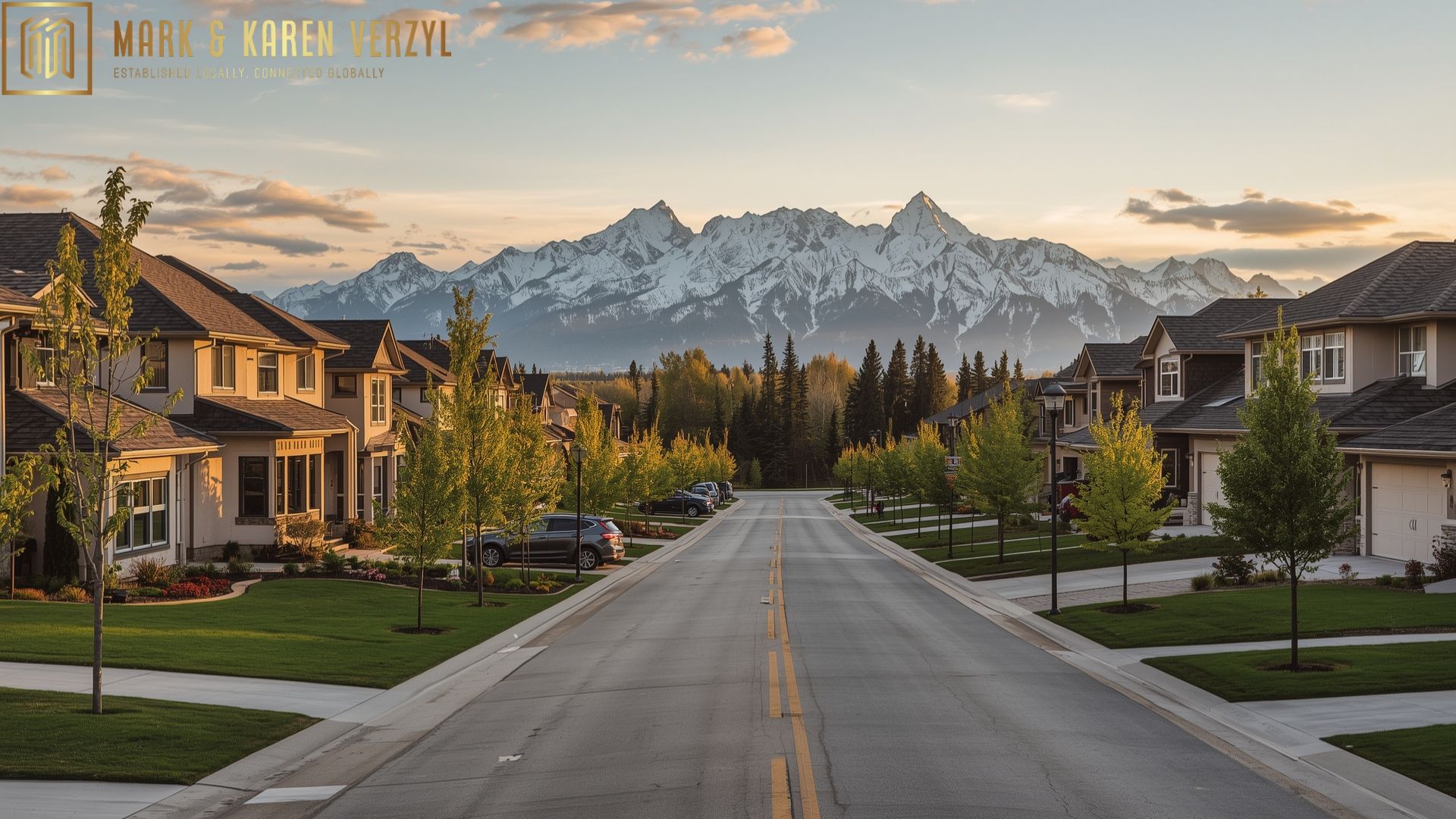
The most immediate identifier of these homes is the roofline. You will see steeply pitched gable roofs, often with multiple overlapping gables that create a picturesque, asymmetrical facade. The exterior walls are typically constructed from high-quality brick or stone, often accented with stucco and decorative half-timbering (exposed wood framing). This “black and white” effect is a hallmark of the style, though many Calgary examples lean heavily into red brick or sandstone, utilizing local materials.
Entryways in Tudor homes are rarely subtle. They often feature recessed doors framed by heavy stone arches, sometimes using the “Tudor arch”—a flattened, pointed arch. The doors themselves are solid wood, often reinforced with iron strapwork, signaling security and privacy.
Interior Features
Stepping inside, you usually find a layout that prioritizes grand common spaces. The great halls or living rooms often feature high, vaulted ceilings with exposed timber beams. Fireplaces are massive, serving as the focal point of the room, often clad in stone or carved wood.
Windows are another critical feature. Authentic upper mount royal tudor style homes frequently possess tall, narrow windows grouped in bands. You might see diamond-shaped leaded glass panes, known as “quarrels.” While beautiful, these original windows are a key inspection point for buyers, as they may require restoration to improve thermal efficiency without losing their historic look.
The Upper Mount Royal Lifestyle
Living in this neighborhood offers a specific type of luxury that differs from the modern glass towers of the city center or the sprawling new builds on the outskirts.
Privacy and Lot Size
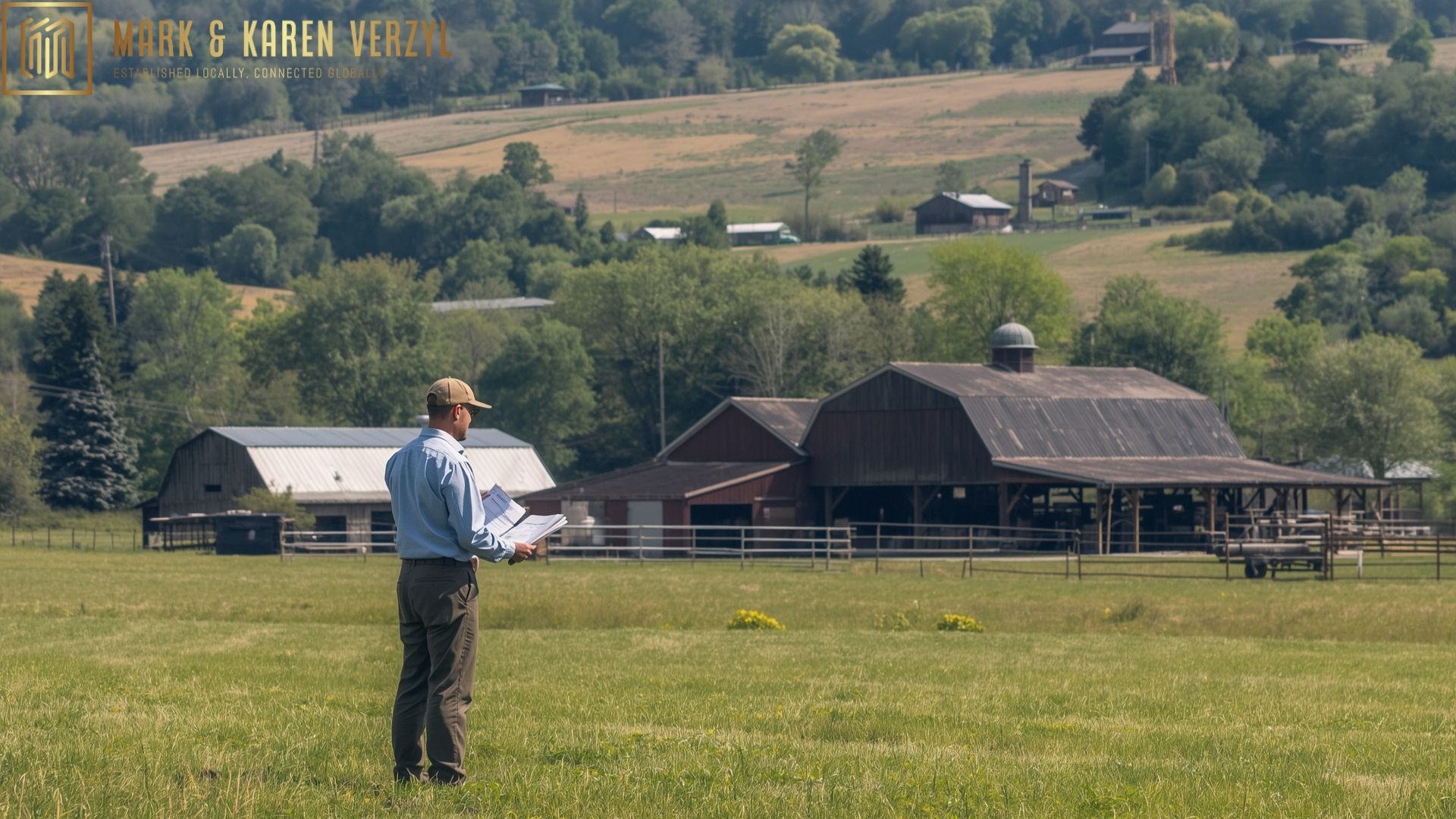
One of the primary draws of Upper Mount Royal is the land. The lots here are significantly larger than the Calgary average, a legacy of the original CPR subdivision design intended for grand estates. This provides a buffer between neighbors that is rare in inner-city communities. The mature tree canopy—featuring century-old elms and spruce—adds to this sense of seclusion, creating a park-like atmosphere around your home.
Proximity to Amenities
Despite the feeling of being in a quiet, historic enclave, you are minutes away from the vibrancy of 17th Avenue and the downtown core. This allows for a lifestyle where you can work in the city center and retreat to a quiet, estate-like setting without a long commute. The Glencoe Club, a premier private sports and social club, is a central hub for many residents, reinforcing the community’s focus on family and active living.
Evaluating Heritage Homes for Purchase
Buying a historic property requires a different approach than purchasing a new build. When we tour these homes with clients, we focus on specific structural elements that can be costly if overlooked.
Roofing and Masonry
Many original Tudor homes feature slate or cedar shake roofs. While durable, slate tiles can slip or crack over decades. Replacing a slate roof is a significant expense, but it also adds immense value and longevity to the home. Similarly, the masonry requires inspection. Repointing (repairing the mortar joints between bricks or stones) is a standard maintenance task for homes of this age. We check for signs of water intrusion behind the stucco or brick, which can be common if the home has not been maintained.
Mechanical Systems
It is common to find older heating systems in these estates, such as cast-iron radiators powered by boilers. Many owners prize these for the gentle, even heat they provide, but the boiler itself should be modern and efficient. We also verify that the electrical wiring has been updated to handle modern loads—specifically removing any knob-and-tube wiring that might remain in untouched corners of the house.
Investment Value and Market Stability
Real estate in Upper Mount Royal has historically shown resilience. The limited supply of authentic character homes means that upper mount royal tudor style homes often retain their value better than newer infills, which can depreciate as design trends shift.
Buyers here are often purchasing “forever homes,” leading to lower turnover rates compared to other communities. This stability protects property values. Furthermore, the city’s planning policies regarding heritage preservation help maintain the neighborhood’s character, preventing the type of high-density redevelopment that can alter the feel of a street.
Renovation vs. Preservation
There is a strong market for renovated Tudor homes that respect the original architecture. Opening up the kitchen to the dining area or updating the primary suite are popular projects. However, stripping the home of its character—such as painting over original woodwork or removing leaded glass—can actually detract from its resale value in this specific market. Buyers in Upper Mount Royal generally want the modern amenities wrapped in the historic aesthetic, not a modern white box hidden inside a Tudor shell.
Moving Forward with Your Search
Finding the right heritage estate requires patience and a network that provides access to off-market opportunities. These properties often change hands quietly. We work to identify homes that match your criteria for history and luxury, guiding you through the inspections and negotiations required for these complex assets.
If you are ready to view these homes, contact us at Mark Verzyl Real Estate. Our team specializes in Calgary’s luxury market and can provide the specific data and access you need.
Mark Verzyl700 1816 Crowchild Trail NW, Calgary AB, T2M3Y7Phone: (403)-617-9998
Ready to find your historic estate?Search for luxury homes in Calgary here to see current listings and market opportunities.
Common Questions About Upper Mount Royal Tudor Homes
Q: What defines a Tudor style home in Calgary?A: These homes feature steeply pitched gable roofs, decorative half-timbering, and heavy masonry using brick or stone. They often include tall, narrow windows with leaded glass and asymmetrical facades that create a storybook or manor-like appearance distinctive to the early 20th century.
Q: Are Tudor homes in Upper Mount Royal designated heritage sites?A: Not all of them are legally designated, but many are on the city’s inventory of historic resources. Legal designation offers protection against demolition but can restrict exterior changes. We can verify the specific status of any property you are interested in.
Q: How expensive is it to maintain a Tudor style home?A: Maintenance costs are generally higher than for newer homes due to materials like slate, stucco, and stone. You should budget for regular masonry repointing and specialized roof care. However, the high quality of original construction often means fewer structural issues if the home has been cared for.
Q: Can I renovate the interior of a Tudor home?A: Yes, interior renovations are common and typically unrestricted unless the interior specifically has heritage protection, which is rare. Most owners modernize kitchens and bathrooms while preserving character elements like wood paneling, hardwood floors, and original fireplaces to maintain value.
Q: Do these homes have modern heating and cooling?A: Many have been retrofitted with modern boilers or forced-air systems. However, original homes may still rely on radiator heating, which is efficient but different from forced air. Central air conditioning is often added via high-velocity systems that do not require bulky ductwork.
Q: What is the resale value of Tudor homes compared to new infills?A: Tudor homes in Upper Mount Royal typically hold their value very well due to scarcity and architectural prestige. While new infills depreciate as styles change, well-maintained heritage estates are viewed as appreciating assets that are impossible to replicate today.
Q: Are large lots common for Tudor homes in this area?A: Yes, Upper Mount Royal is known for its estate-sized lots. The original subdivision was designed for grand homes, so you will typically find much more yard space and privacy here compared to newer inner-city developments.
Q: How do I inspect a Tudor home before buying?A: You need a home inspector familiar with heritage properties. They should specifically check the condition of the slate or cedar roof, the mortar joints in the brickwork, the leaded glass windows, and the foundation, which may be stone or older concrete.
Conclusion
Purchasing one of the upper mount royal tudor style homes is an investment in both lifestyle and history. These estates offer a level of craftsmanship and presence that is rarely found in modern construction. By understanding the architectural nuances and maintenance needs, you can secure a property that serves as a comfortable residence and a lasting legacy.
If you are considering a move to this prestigious neighborhood, we are here to help you manage the process. Contact Mark Verzyl today to begin your search for a timeless home in Upper Mount Royal.