Introduction
For decades, the “Calgary Dream” was often defined by a large house in the suburbs with a sprawling backyard. However, a significant cultural and architectural shift has redefined what luxury living looks like in our city. Today, Calgary inner city homes represent the pinnacle of convenience, culture, and connectivity. They offer a lifestyle where your favorite coffee shop is a short walk away, your commute is measured in minutes rather than hours, and the vibrancy of the city is right at your doorstep.
At Mark Verzyl Real Estate, we specialize in helping clients transition into this dynamic market. Whether you are looking for a restored heritage property in Mount Royal or a modern, net-zero infill in Altadore, the inner city offers a diversity of housing stock that suburban communities simply cannot match. This guide is your roadmap to understanding the nuances of Calgary’s core neighborhoods. We will explore the pros and cons of urban density, the investment potential of central land, and how to identify the right enclave for your specific lifestyle needs.
Key Takeaways
- Diverse Housing Stock: The inner city offers a mix of historic character homes, modern “skinny” infills, and luxury condos, catering to various architectural tastes.
- Commute Efficiency: Living centrally significantly reduces travel time to the downtown core, giving you back valuable hours each week.
- Walkability Factor: Neighborhoods like Beltline, Kensington, and Mission boast high Walk Scores, allowing for a car-optional lifestyle.
- Land Value Resilience: Inner-city land is a finite resource, often making these properties more resilient to market fluctuations compared to edge suburbs.
- Zoning Changes: Understanding R-CG and other zoning designations is crucial, as the city pushes for higher density in established neighborhoods.
- Lifestyle ROI: You pay a premium for location, but the return is immediate access to the city’s best dining, arts, and river pathways.
Overview
This comprehensive guide examines the reality of purchasing and living in Calgary inner city homes. We move beyond the glossy listing photos to discuss the practical considerations of urban homeownership. You will learn about the different “zones” of the inner city—from the prestigious estates of the Southwest to the revitalized pockets of the Northeast. We analyze the trend of infill development and what you need to know about party walls and lot coverage.
Furthermore, we tackle the financial aspects of buying centrally. We compare the cost per square foot of inner-city properties versus suburban alternatives and discuss the long-term appreciation trends. Whether you are a young professional looking for proximity to nightlife or a family seeking top-tier schools in a mature neighborhood, this article provides the essential data to make an informed decision.
Defining the Inner City
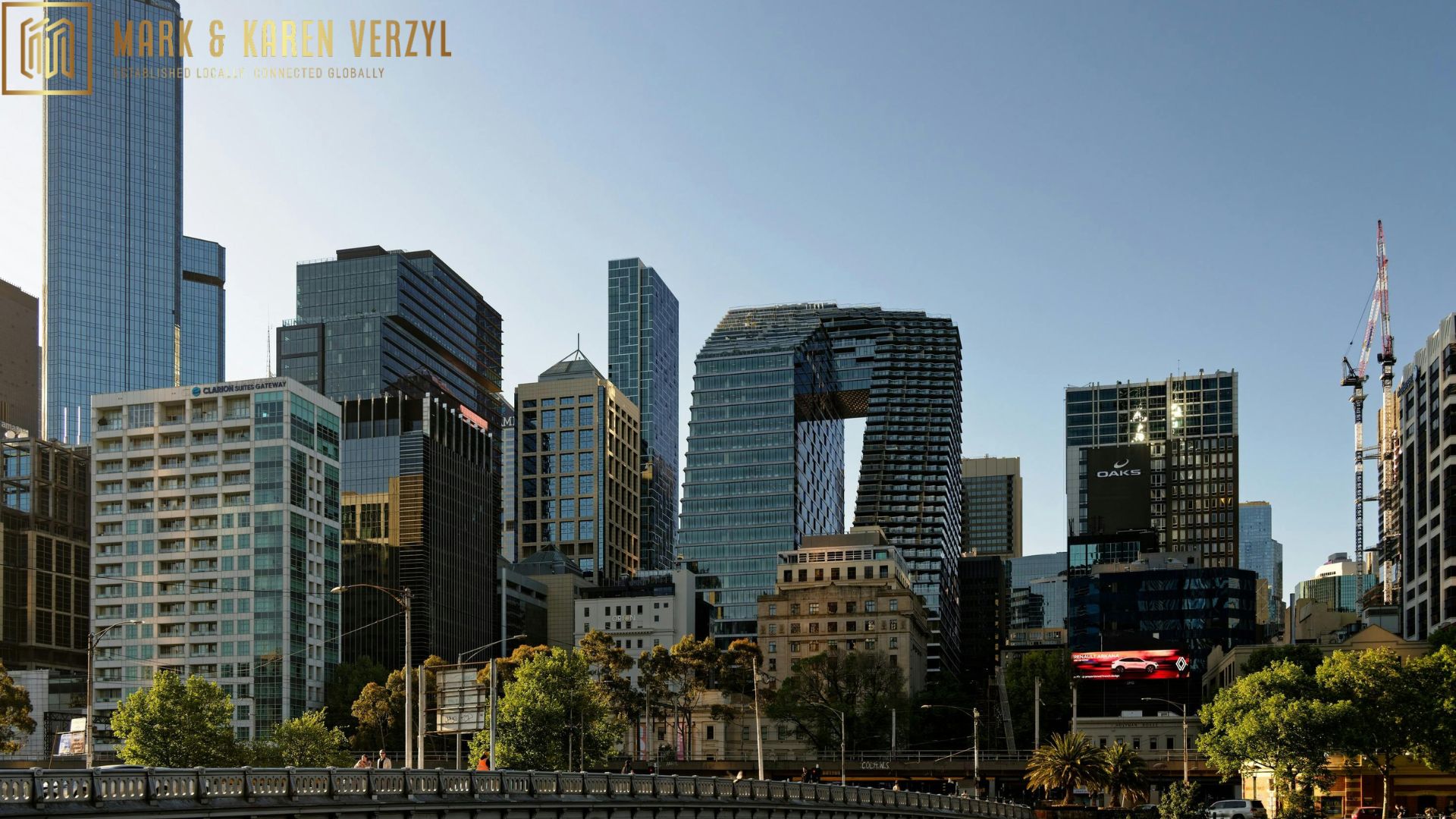
“Inner city” is a broad term in Calgary. Generally, it refers to the communities surrounding the downtown core, typically built before the 1980s.
The Inner Ring
The true inner core includes neighborhoods like the Beltline, Mission, and Eau Claire. Here, the density is high, dominated by high-rise condos and townhomes. This is where you find the highest concentration of amenities and the most energetic atmosphere.
The Established Ring
Just beyond the core lie the established residential neighborhoods like Altadore, Killarney, Mount Pleasant, and Bridgeland. These areas are characterized by tree-lined streets and a mix of original bungalows and new infills. This is where most families looking for Calgary inner city homes tend to focus their search. These communities offer a balance of quiet residential living with quick access to major arteries like Crowchild Trail and Memorial Drive.
The Infill Revolution
If you are shopping in the inner city, you will inevitably encounter the “infill.” This refers to the practice of tearing down an older, smaller home to build one or two new, modern properties on the same lot.
Attached vs. Detached
Infills come in two main varieties: attached (duplexes) and detached. Attached homes are more affordable and popular in areas like Killarney and Richmond. They share a common wall but offer high-end finishes. Detached infills are the premium product, offering total privacy and often fetching prices well over $1 million.
Why Choose an Infill?
Infills allow you to have a new construction home—with modern insulation, open floor plans, and smart technology—in a mature neighborhood. You get the best of both worlds: a new house and an established community with big trees. For a look at current modern inventory, our luxury homes Calgary page highlights some of the best examples of this architectural style.
Top Inner-City Neighborhoods by Quadrant
Calgary is divided into quadrants, and each offers a different flavor of inner-city living.
Southwest (SW): Prestige and Parks
The inner SW is home to some of the most desirable real estate in Canada. Communities like Mount Royal and Elbow Park offer grand estate homes and massive lots. Further south, Altadore and South Calgary provide a trendy, family-friendly vibe near Marda Loop. This area is known for its proximity to the Elbow River and excellent schools. You can explore specific listings in our Altadore homes for sale section.
Northwest (NW): Hills and History
The inner NW, including Kensington (Hillhurst/Sunnyside) and Mount Pleasant, is famous for its hilly topography and views of the downtown skyline. These areas have a slightly more eclectic, artsy feel. Kensington is a pedestrian paradise with its own cinema, coffee roasters, and boutique shops.
Northeast (NE): Revitalization and Value
Bridgeland and Renfrew in the inner NE are experiencing massive revitalization. Bridgeland has transformed into a culinary destination, with some of the city’s best restaurants. These areas often offer slightly better value than the SW while still providing incredible access to downtown and the Calgary Zoo.
Lifestyle: The Urban Advantage
The primary reason buyers choose the inner city is lifestyle. It is about friction-free living.
The Culinary Scene
When you live centrally, “going out for dinner” doesn’t require a 20-minute drive. You can walk to 17th Avenue SW, 4th Street in Mission, or 10th Street in Kensington. These corridors host the city’s top culinary talent. Living here means being part of the city’s social fabric.
Active Transportation
Calgary has one of the most extensive urban pathway systems in North America. Inner-city residents use the Bow River and Elbow River pathways to commute to work by bike or scooter. This active lifestyle is a major draw. According to the City of Calgary, the pathway network is maintained year-round, allowing for winter commuting as well.
Investment Analysis: Land Value
Real estate appreciation is driven by land, not the structure. In the inner city, land is finite.
Scarcity Drives Growth
Unlike the suburbs, where developers can always annex more land, the inner city cannot expand. This scarcity creates a natural price floor. Even in softer markets, Calgary inner city homes located on good streets tend to hold their value well.

Redevelopment Potential
Many inner-city lots are zoned for higher density (R-C2 or R-CG). This means a single lot has the potential to house multiple units. This “highest and best use” potential adds a layer of value to the land that doesn’t exist in restrictive suburban covenants. For insights on how market shifts affect these values, review our Calgary real estate market trends report.
Challenges to Consider
Urban living is not without its trade-offs. It is important to go in with eyes open.
Smaller Lots and Yards
To get a modern home in the inner city, you often sacrifice yard space. Infills typically have smaller backyards and detached garages accessed via a laneway. If you need a massive yard for three large dogs, you might find the lot sizes restrictive.
Construction Activity
Because these neighborhoods are in transition, construction noise is a reality. It is common to have a house being built on your street. We advise clients to look at the development permits on their block before buying to understand what construction might be coming down the pipeline.
Schools and Families
A common myth is that the inner city is only for singles. In reality, it is teeming with young families.
Top-Tier Education
Some of the best high schools in the province, such as Western Canada High School, are located in the inner city. The density of schools means that many children can walk to class, fostering independence.
Parks and Recreation
While personal yards may be smaller, public amenities are superior. Inner-city communities are dotted with historic parks like Riley Park (with its famous wading pool) and Prince’s Island Park. These serve as the community’s backyard. For a deeper dive into how schools influence property choice, check our Calgary schools real estate guide.
The Future of the Core
Calgary’s Municipal Development Plan aims to shift more population growth to developed areas.
The Green Line Effect
Future infrastructure projects like the Green Line LRT will further enhance connectivity for inner-city neighborhoods like Ramsay and Inglewood. Buying in the path of this infrastructure can be a smart long-term play.
Gentle Density
You will hear the term “gentle density” often. This refers to the addition of row homes and backyard suites in traditional neighborhoods. This increases the housing supply and vibrancy of these areas without the need for massive high-rises.
Why Work with Mark Verzyl Real Estate?
Buying in the inner city requires a specialized skill set. You need an agent who understands zoning codes, can spot the difference between a quality infill and a “lipstick flip,” and knows the micro-cultures of each street.
We provide that expertise. We help you navigate the complexities of party wall agreements and RPR compliance. We ensure that you aren’t just buying a house, but investing in a high-quality asset that fits your life.
If you are debating between the inner city and the West Side suburbs, our comparison guide on West Calgary real estate offers a helpful perspective on the trade-offs.
Owning one of the many Calgary inner city homes is about embracing the energy of the city. It is for those who want to spend less time driving and more time living. If you are ready to find your spot in the heart of Calgary, we are ready to guide you.
Mark Verzyl700 1816 Crowchild Trail NW, Calgary AB, T2M3Y7Phone: (403)-617-9998
Common Questions About Calgary Inner City Homes
Q: What is considered “inner city” in Calgary?
A: Generally, inner city refers to the communities surrounding the downtown core, roughly bordered by Glenmore Trail to the south, 16th Avenue (Trans-Canada) to the north, Crowchild Trail to the west, and Deerfoot Trail to the east. However, definitions can vary slightly depending on who you ask.
Q: Are inner-city homes more expensive?
A: Yes, typically the price per square foot is higher in the inner city due to the high land value. You are paying for the location and proximity to the core.
Q: Is it safe to live in downtown Calgary?
A: Calgary is safe compared to many major cities, but inner-city living does come with more urban activity. Communities like the Beltline and East Village are generally safe but have higher foot traffic and noise levels than suburban cul-de-sacs.
Q: What is an infill home?
A: An infill is a new home built on an older lot in an established neighborhood. Developers buy older bungalows, tear them down, and build one or two new modern homes in their place. This is the primary source of new inventory in the inner city.
Q: Do inner-city homes have garages?
A: Most single-family and semi-detached homes in the inner city have detached garages located in the rear laneway (alley). Attached front-drive garages are rare in these neighborhoods due to narrow lot widths.
Q: How is the parking situation?
A: On-street parking can be competitive in popular areas like Marda Loop or Kensington. Many communities have residential permit zones where you must register your vehicle to park on the street for extended periods.
Q: Are there good schools in the inner city?
A: Absolutely. The inner city boasts some of Calgary’s most historic and high-performing schools, including Western Canada High School and various specialized programs (arts, science) that are centrally located.
Q: Is noise a problem?
A: It can be, depending on the street. Homes on busy commuter routes (like 14th Street or Richmond Road) will have traffic noise. However, just one block over, the streets can be surprisingly quiet. We help clients identify these quiet pockets.
Conclusion
Choosing to live in the inner city is a decision to prioritize connection and convenience. It is a vibrant, evolving market that offers immense rewards for those who navigate it correctly.
If you are ready to explore the listings that define urban luxury, contact us today.
Contact Mark Verzyl at (403)-617-9998 to start your search.