The Strategic Advantage of Transit-Oriented Real Estate
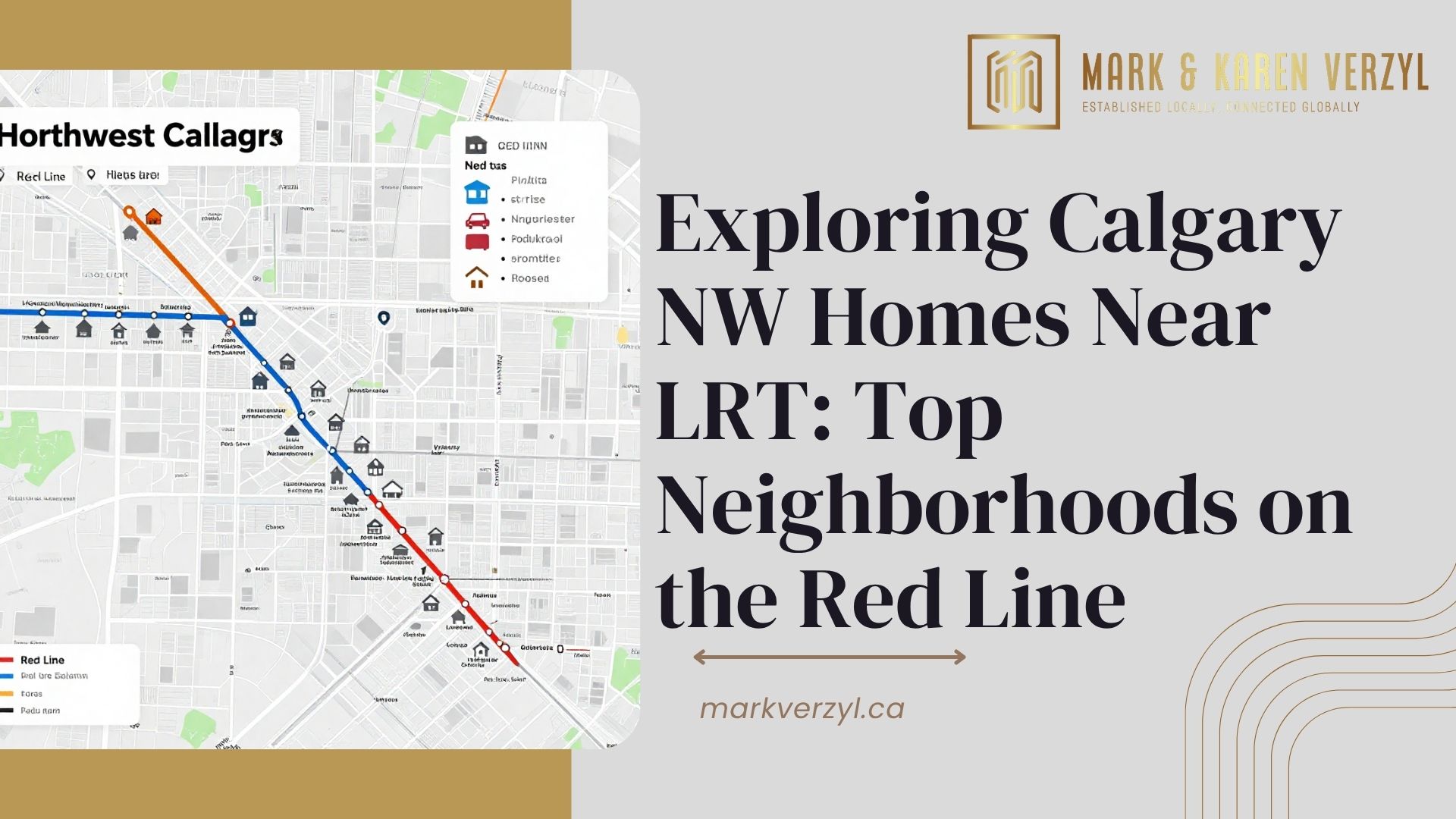
Selecting a property that aligns with your daily commuting requirements represents a critical component of successful real estate acquisition. For professionals and families alike, living in close proximity to the Light Rail Transit (LRT) system dramatically alters the daily rhythm of life, offering an efficient alternative to driving. The northwestern quadrant of the city, serviced extensively by the Red Line, features several highly desirable communities that integrate suburban tranquility with exceptional urban connectivity. We recognize that securing a residence in these transit-adjacent zones requires a deep understanding of local market valuations and long-term planning.
The decision to purchase property near major transit arteries goes far beyond simply shortening your morning commute to the downtown commercial core. It involves a strategic investment in neighborhood stability, as properties located within walking distance of train stations historically maintain strong resale values regardless of broader economic shifts. Furthermore, minimizing reliance on personal vehicles provides substantial financial savings over time, offsetting the premium often associated with these highly sought-after locations. As we analyze the housing landscape for 2026, the demand for accessible, well-connected properties continues to outpace overall market averages.
Our objective is to provide you with an extensive analysis of the communities bordering the Red Line, detailing the architectural styles, public amenities, and market conditions defining each area. You require accurate, verifiable data to make an informed purchasing decision that supports both your financial goals and your lifestyle preferences. By examining the specific benefits of different station-adjacent neighborhoods, you position yourself to act decisively when the ideal property becomes available. Let us evaluate the fundamental elements that elevate these specific communities above other residential options in the current housing market.
Key Takeaways
- Properties situated within a ten-minute walk of a Red Line station consistently exhibit higher retention of value during market fluctuations.
- The northwestern transit corridor features a diverse range of housing styles, from mature bungalows to modern, high-density condominium developments.
- Relying on public transit significantly reduces annual household transportation expenditures and minimizes the stress of winter driving conditions.
- Transit-Oriented Development (TOD) policies implemented by the municipal government continue to drive infrastructure improvements in these specific neighborhoods.
- Partnering with a localized real estate expert is essential for successfully acquiring highly competitive properties before they experience multiple-offer scenarios.
Overview
This comprehensive guide serves as an essential resource for buyers prioritizing transportation efficiency and long-term property appreciation. We will examine the economic indicators shaping the market for transit-adjacent real estate, detailing how proximity to the Red Line influences pricing structures and neighborhood demographics. You will discover actionable insights regarding the specific amenities, school districts, and housing varieties available in prominent communities like Tuscany, Crowfoot, Dalhousie, and Brentwood. Additionally, our detailed FAQ section provides factual answers to common inquiries regarding zoning, noise considerations, and commuter parking availability. By leveraging our extensive market knowledge, you gain a distinct advantage in identifying and securing a residence that perfectly aligns with your transportation and lifestyle requirements.
The Economic Impact of the Red Line on Property Valuation
Historical Appreciation Rates Near Stations
When you begin evaluating calgary nw homes near lrt, understanding the premium associated with transit proximity becomes a vital financial consideration. Decades of civic data indicate that residences located within an 800-meter radius of an established train station experience accelerated appreciation compared to properties lacking rapid transit access. This localized economic phenomenon is driven by sustained demand from working professionals who prioritize efficient commutes and buyers seeking reliable investment assets. Official statistics from the Calgary Real Estate Board (CREB) frequently highlight this correlation, noting lower days-on-market metrics for transit-oriented listings.
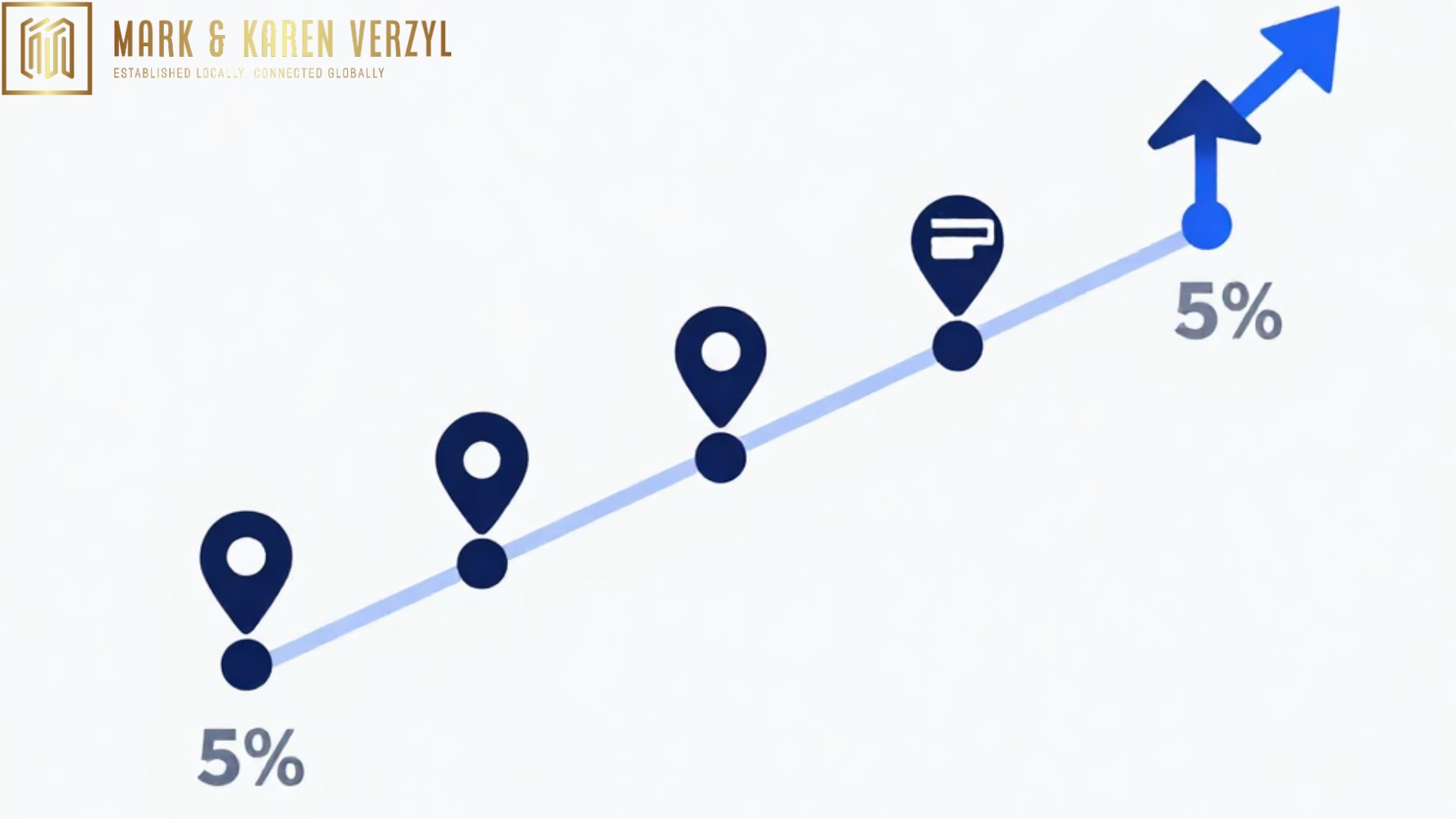
We consistently observe that buyers are willing to allocate a larger portion of their budget to secure these locations, viewing the initial premium as a protective measure for their capital. The convenience factor directly translates into tangible equity, creating a highly liquid asset should you decide to sell in the future. For those deeply interested in evaluating residential property values, analyzing the historical sales data of these specific micro-markets is an essential analytical step. Recognizing this baseline value structure prevents you from dismissing appropriately priced properties that initially appear higher than the neighborhood average.
Balancing Premium Costs with Commuter Savings
While the initial purchase price for a transit-adjacent property may be elevated, you must calculate the corresponding reduction in ongoing household expenses. Operating a personal vehicle involves significant recurring costs, including fuel, insurance, maintenance, and downtown parking fees, which can quickly accumulate to thousands of dollars annually. By replacing a daily car commute with a monthly transit pass, you effectively recapture a substantial portion of your income, which can be redirected toward your mortgage principal. The Canadian Automobile Association (CAA) provides detailed calculators demonstrating the true cost of vehicle ownership, reinforcing the financial logic of utilizing public transit.

Furthermore, reducing your dependence on a vehicle insulates your household budget from unpredictable fluctuations in global fuel prices. Many families discover that living near the Red Line allows them to downsize from two vehicles to a single car, producing immediate and dramatic financial relief. As you assess your purchasing capacity, factoring these anticipated savings into your long-term budget projections provides a more accurate picture of your overall financial health. Making a strategic investment in transit proximity frequently proves to be a highly sound economic decision over the lifespan of the property ownership.
Prominent Station-Adjacent Neighborhoods
The Appeal of Brentwood and Dalhousie
Moving outward from the city center, the communities of Brentwood and Dalhousie represent some of the most established and desirable transit-oriented neighborhoods. These areas were developed several decades ago, meaning you will find wide, curving streets flanked by massive, mature trees that provide extensive natural canopies. The housing stock primarily consists of substantial single-family homes, including classic bungalows and split-level designs, situated on generously proportioned lots. Because of their proximity to the University of Calgary, these neighborhoods also possess a vibrant, energetic atmosphere supported by extensive local commercial plazas.
A significant trend we observe in these communities is the prevalence of extensive interior modernizations and complete structural infills. Buyers acquire older properties specifically for the exceptional location, subsequently investing capital to bring the interiors up to contemporary aesthetic and technological standards. The municipal City of Calgary planning department has also approved several high-density developments immediately adjacent to these stations, providing options for those seeking maintenance-free living. If you appreciate the charm of historical streetscapes combined with immediate transit access, these established communities warrant your focused attention.
Family-Centric Living in Crowfoot and Tuscany
Further along the Red Line terminus, the neighborhoods of Arbour Lake (serviced by the Crowfoot station) and Tuscany offer a distinctly different suburban experience. These communities were master-planned with a strong emphasis on family infrastructure, integrating extensive pathway systems, dedicated green spaces, and centralized community centers. The architectural landscape heavily features two-story homes with attached front-drive garages, designed specifically to accommodate the space requirements of growing families. Additionally, these areas benefit from massive, localized retail hubs, reducing the need to travel extensively for daily necessities or entertainment.
Tuscany, representing the current end of the northwestern transit line, provides an exceptional balance of urban connectivity and immediate access to the Rocky Mountain foothills. Residents enjoy the ability to board the train for a relaxed commute to the corporate sector while remaining minutes away from major westward highways for weekend excursions. For buyers relying on expert local market knowledge, understanding the demographic differences between these outermost stations and the inner-city stops is crucial for finding the right cultural fit. These family-centric zones prove that prioritizing rapid transportation does not require sacrificing suburban comfort or expansive living spaces.
Choosing Between Single-Family Houses and High-Density Condos
Low-Maintenance Living Alternatives
The zones immediately surrounding LRT stations are typically designated for Transit-Oriented Development, which encourages high-density residential construction. For young professionals, retirees, or frequent travelers, the condominium towers clustered near these transit hubs offer an exceptionally convenient lifestyle. These modern buildings frequently feature comprehensive internal amenities, including fitness centers, secure underground parking, and centralized security systems, effectively eliminating external property maintenance tasks. You can simply lock your door and board the train, knowing the building management handles exterior upkeep and landscaping.
This style of living provides a highly accessible entry point into premium neighborhoods that might otherwise be cost-prohibitive if purchasing a detached structure. When evaluating these high-density options, you must carefully review the condominium corporation’s financial reserve fund and the monthly contribution fees to guarantee long-term affordability. We guide our clients through a rigorous analysis of these documents to verify the building is managed competently and free from impending special assessments. To make a highly informed decision, reviewing luxury home purchasing strategies can help you contrast the benefits of strata ownership against traditional land titles.
Maximizing Square Footage and Yard Space
If your primary requirement involves substantial interior square footage and private outdoor space, you must typically look slightly further outward from the immediate station perimeter. Detached single-family homes offer the autonomy to modify the property, cultivate extensive gardens, and provide safe, enclosed areas for children and pets. While these properties require a greater commitment to personal maintenance, they offer unparalleled privacy and the highest potential for significant capital appreciation. In communities like Dalhousie or Tuscany, you can easily find substantial properties situated just a ten to fifteen-minute walk from the transit platform.
This brief walk serves as an excellent buffer, insulating the residence from the immediate ambient noise of the train lines and the increased vehicular traffic surrounding the station parking lots. You must weigh the desire for absolute immediacy against the need for a quiet, residential atmosphere. When conducting property tours, we recommend physically walking the route from the house to the station to accurately gauge the distance, elevation changes, and overall safety of the pedestrian pathways. Balancing your requirement for square footage with your tolerance for a brief commute to the platform is a foundational step in your property search.
Navigating Transit-Oriented Zoning and Future Development
Municipal Investments in Infrastructure
The municipal government actively prioritizes the expansion and improvement of the public transportation network, viewing it as essential for sustainable urban growth. When you purchase property along an established route like the Red Line, you benefit from ongoing civic investments in station upgrades, improved lighting, and enhanced pedestrian bridges. These continuous improvements directly elevate the safety and aesthetic appeal of the surrounding neighborhoods, positively influencing overall property values. You can monitor these civic initiatives through regular updates provided by Calgary Transit schedules and planning, which detail future infrastructure commitments.
Furthermore, city planners frequently rezone the land immediately adjacent to transit hubs to encourage vibrant, mixed-use commercial and residential developments. This means the amenities available within walking distance of your home will likely expand over time, introducing new restaurants, boutique fitness studios, and convenient retail options. Understanding the long-term master plan for a specific station area allows you to anticipate future neighborhood transformations and capitalize on emerging local economies. Relying on professionals capable of analyzing suburban neighborhood trends provides you with a distinct advantage in interpreting how these municipal decisions impact your investment.
Long-Term Neighborhood Stability
One of the most compelling arguments for acquiring property in these specific zones is the inherent stability they provide against market volatility. Economic conditions fluctuate, but the fundamental human need for efficient, reliable transportation remains constant across all demographic groups. This enduring demand creates a highly resilient micro-market, where property values hold firm even during periods of broader economic hesitation. You can purchase a residence with the confidence that a significant pool of future buyers will value the location just as highly as you do today.
This stability is further reinforced by the presence of major institutional anchors located along the transit line, such as the University of Calgary and the Southern Alberta Institute of Technology (SAIT). These institutions provide a continuous influx of students, faculty, and administrative staff, generating perpetual demand for both rental accommodations and permanent residences. We advise our clients that investing in transit-adjacent real estate is not a speculative endeavor; it is a proven strategy for preserving wealth and establishing a highly secure domestic base. The combination of sustained demand and institutional proximity creates an exceptionally secure investment environment.
The Reality of Commuter Parking and Noise Considerations
Park and Ride Facility Management
If you select a property that is beyond a comfortable walking distance from the station, you will likely utilize the municipal Park and Ride facilities. It is vital to understand that parking availability at popular stations like Crowfoot or Tuscany can become highly competitive during peak morning commuting hours. The city offers reserved parking options for a monthly fee, which guarantees a space arriving after the early morning rush, providing peace of mind for those with less flexible schedules. You must factor this potential monthly expense into your commuting budget if you cannot reliably walk or cycle to the platform.
Alternatively, some neighborhoods offer extensive feeder bus networks that transport residents directly from their immediate street to the LRT station, bypassing the need for station parking entirely. Evaluating the frequency and reliability of these localized bus routes is a critical component of assessing a property’s true transit accessibility. We frequently help buyers map out exact commuting times using a combination of walking, feeder buses, and the Red Line to provide a highly accurate picture of their future daily routine. Comprehensive logistical planning guarantees you are fully prepared for the realities of the local transit ecosystem.
Mitigating Ambient Environmental Noise
A common concern for buyers exploring calgary nw homes near lrt involves the potential for ambient noise generated by the trains and station announcements. While properties situated directly backing onto the train tracks may experience noticeable sound levels, modern construction techniques and municipal sound barriers effectively mitigate much of this disruption. If you are highly sensitive to environmental noise, prioritizing homes situated a few blocks away from the line or focusing on properties with upgraded, triple-pane windows is essential. During our property evaluations, we carefully assess the acoustical environment of the home, prioritizing properties that offer a quiet, restorative interior atmosphere.
It is also important to recognize that the LRT system utilizes electric trains, which are substantially quieter and produce zero localized emissions compared to traditional diesel freight locomotives. The ambient noise is generally limited to the gentle hum of the electric motors and the automated crossing signals at ground-level intersections. Most residents quickly acclimate to these sounds, viewing them as a negligible trade-off for the immense convenience of rapid urban mobility. By strategically selecting your location and verifying the quality of the home’s thermal envelope, you can easily achieve a peaceful living environment while maintaining immediate transit access.
Securing Your Ideal Property
Navigating the highly competitive market for transit-adjacent real estate requires precision, strategic foresight, and unwavering professional representation. The most desirable properties in these zones rarely remain available for extended periods; they require decisive action backed by comprehensive market intelligence. As a buyer, you must partner with an expert who can accurately assess structural integrity, interpret complex zoning bylaws, and negotiate aggressively on your behalf. We specialize exclusively in securing these premium residential assets, providing our clients with the absolute highest standard of localized expertise and transactional management.
If you are determined to elevate your lifestyle through strategic property acquisition, we are prepared to guide you through every phase of the process. We leverage our extensive professional network to identify off-market opportunities and securing prime real estate before it reaches the general public. Also, if you are looking to purchase the perfect home with immediate access to rapid transit, reach out to Mark Verzyl at 700 1816 Crowchild Trail NW, Calgary AB, T2M3Y7, or call (403)-617-9998 to begin your targeted search for the finest calgary nw homes near lrt available today.
Common Questions About calgary nw homes near lrt
Q:Does living near the train station increase local property taxes?A: Property taxes are calculated based on the assessed value of the home by the municipality. Because homes near transit hubs generally hold higher market values due to strong demand, the corresponding property tax amounts are typically higher than identical homes located further away from rapid transit corridors.
Q:Are the Park and Ride lots at the Red Line stations free to use?A: The municipal transit authority offers a mix of free parking and reserved, paid parking at major stations. The free spaces fill up extremely early in the morning, prompting many commuters to purchase a monthly reserved pass to guarantee a spot regardless of their arrival time.
Q:Is security a concern for homes situated extremely close to the transit platforms?A: The transit authority and local municipal police maintain a strong security presence at all stations, utilizing extensive camera networks and regular patrols. Properties in these areas benefit from this heightened municipal surveillance, and neighborhoods immediately surrounding the stations generally report very standard residential safety metrics.
Q:Do the trains run all night, and will the noise disrupt sleep?A: The Calgary LRT system does not operate 24 hours a day; regular service typically pauses for several hours during the very late night and early morning to allow for track maintenance. This operational pause guarantees a quiet environment during primary sleeping hours for nearby residents.
Q:Can I easily rent out a property if I buy it near a Red Line station?A: Yes, properties located within walking distance of the Red Line experience incredibly high rental demand, particularly from students attending the University of Calgary and professionals commuting downtown. This sustained demand makes these homes excellent candidates for long-term, stable income generation.
Q:Are there specific building restrictions if I want to renovate a home near the tracks?A: If your property falls within a designated Transit-Oriented Development zone, there may be specific municipal bylaws encouraging high-density structures or dictating specific exterior setbacks. You must consult with the municipal planning department before commencing any significant exterior renovations or structural additions.
Q:How reliable is the Red Line during severe winter snowstorms?A: The LRT system is arguably the most reliable form of transportation in the city during severe winter weather. While extreme snow accumulation can occasionally cause minor delays, the trains bypass the gridlocked vehicular traffic on major roadways, making transit the most dependable option for winter commuting.
Q:Do condo fees in buildings near the LRT usually cover utilities?A: Condominium fee structures vary significantly between individual buildings. While many older complexes include heat and water in the monthly contributions, newer developments often utilize individual metering, requiring owners to pay for their specific utility consumption independently. You must review the specific condominium documents to confirm.
Final Thoughts on Transit-Adjacent Properties
Selecting a residence that offers seamless connectivity to the broader city represents a profound enhancement to your daily quality of life. As we analyze the housing environment of 2026, the strategic value of properties bordering the Red Line remains absolute, providing buyers with a rare combination of lifestyle convenience and financial security. By thoroughly evaluating the distinct character of each station-adjacent neighborhood, you can identify a community that perfectly supports your familial and professional aspirations. Approach your property search with confidence, knowing that prioritizing rapid transportation is a proven method for securing a highly resilient real estate asset. As the premier choice in the market, we guarantee you will not find a more dedicated partner in your search.