
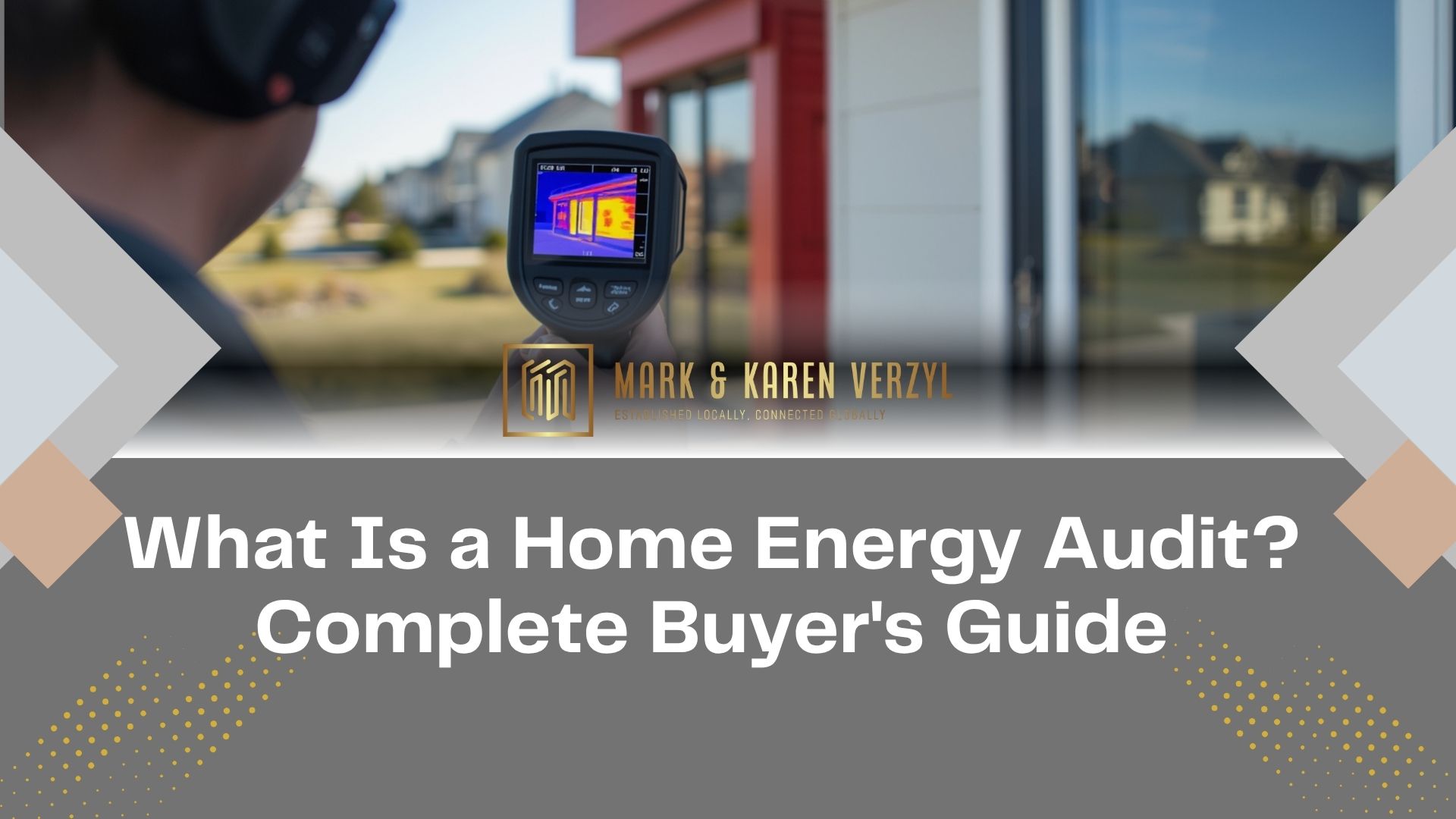
When you’re considering purchasing a home, understanding its energy efficiency can save you thousands of dollars over the years and significantly impact your comfort and environmental footprint. A home energy audit represents one of the most valuable yet often overlooked tools available to prospective homebuyers, providing detailed insights into how efficiently a property uses energy and where improvements might be needed.
Energy costs continue to rise across Canada, making energy efficiency a critical factor in long-term homeownership expenses. What many buyers don’t realize is that two seemingly identical homes can have dramatically different energy consumption patterns, leading to monthly utility bills that vary by hundreds of dollars. This difference often stems from factors that aren’t immediately visible during a standard home inspection, such as insulation quality, air leakage, heating system efficiency, and overall building envelope performance.
A comprehensive home energy audit goes far beyond simply checking if the furnace works or noting the age of windows. It involves sophisticated testing equipment, thermal imaging technology, and detailed analysis of every system that affects energy consumption. Professional auditors examine everything from the foundation to the roof, identifying both obvious energy wasters and subtle inefficiencies that compound over time.
For buyers in today’s competitive real estate market, an energy audit can provide significant advantages during negotiations. Armed with detailed information about a home’s energy performance, you can make more informed decisions about purchase price, request specific improvements as part of the sale agreement, or budget accurately for future upgrades. This knowledge becomes particularly valuable when comparing multiple properties or when dealing with older homes that may have hidden energy efficiency issues.
The investment in a pre-purchase energy audit typically pays for itself within the first year of homeownership through reduced utility bills and avoided surprise expenses. More importantly, it provides peace of mind and helps ensure that your new home will be comfortable, efficient, and environmentally responsible for years to come.
Key Takeaways
For additional context, see this comprehensive guide.
- Cost Savings Potential: A home energy audit can identify efficiency improvements that reduce monthly utility bills by 10-30%, often saving homeowners hundreds or thousands of dollars annually depending on the property size and current efficiency levels.
- Comprehensive Assessment: Professional energy audits examine insulation levels, air leakage patterns, heating and cooling system efficiency, window and door performance, and overall building envelope integrity using specialized equipment and testing protocols.
- Negotiation Advantage: Energy audit results provide concrete data for purchase negotiations, allowing buyers to request repairs, credits, or price adjustments based on identified efficiency issues and projected improvement costs.
- Health and Comfort Benefits: Beyond financial savings, energy audits identify issues that affect indoor air quality, moisture control, and temperature consistency, contributing to a healthier and more comfortable living environment.
- Investment Planning: Audit reports prioritize recommended improvements by cost-effectiveness, helping new homeowners plan renovation budgets and tackle the most impactful upgrades first.
- Environmental Impact: Understanding a home’s energy performance supports informed decisions about reducing carbon footprint and supporting sustainable living practices through targeted efficiency improvements.
- Timing Considerations: The most beneficial time for a buyer to conduct an energy audit is during the inspection period, allowing sufficient time to incorporate findings into purchase negotiations and closing decisions.
Understanding Home Energy Audits: A Comprehensive Overview
For additional context, see detailed information on this topic.
A home energy audit represents a systematic evaluation of a property’s energy consumption patterns, efficiency levels, and potential improvement opportunities. Unlike basic home inspections that focus primarily on structural and safety issues, energy audits specifically target how effectively a home uses energy for heating, cooling, lighting, and other essential functions.
Professional energy auditors employ sophisticated diagnostic tools and methodologies to create a complete picture of a home’s energy performance. The process typically begins with a detailed review of historical utility bills to establish baseline consumption patterns and identify seasonal variations. This data provides context for the physical inspection and helps auditors understand how the home’s systems perform under real-world conditions.
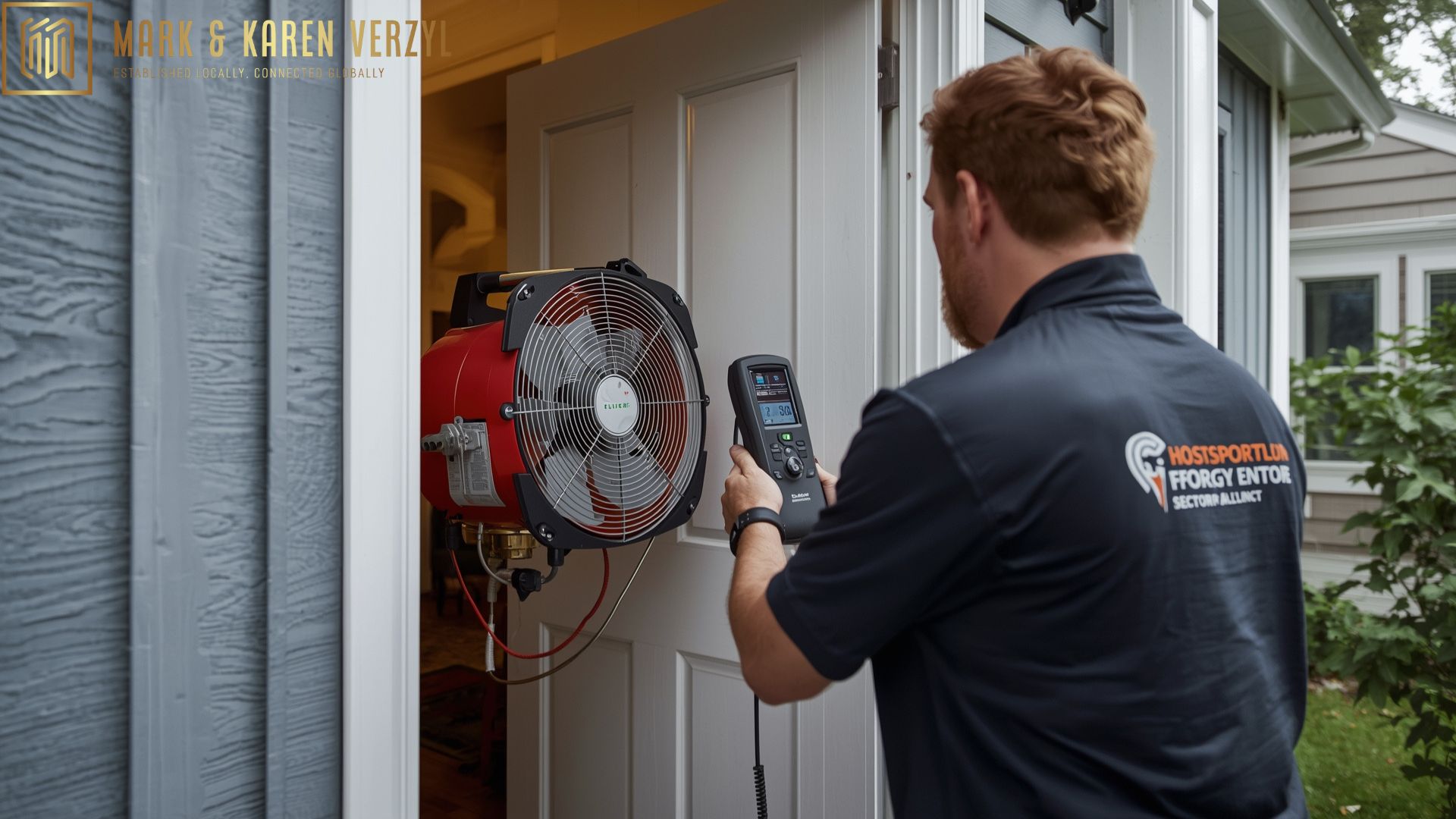
The heart of most comprehensive energy audits involves blower door testing, which measures air leakage throughout the building envelope. During this test, auditors install a powerful fan in an exterior door opening and create negative pressure inside the home. This process reveals air leaks that might otherwise go undetected, including gaps around windows and doors, penetrations through walls and ceilings, and inadequate sealing around plumbing and electrical installations.
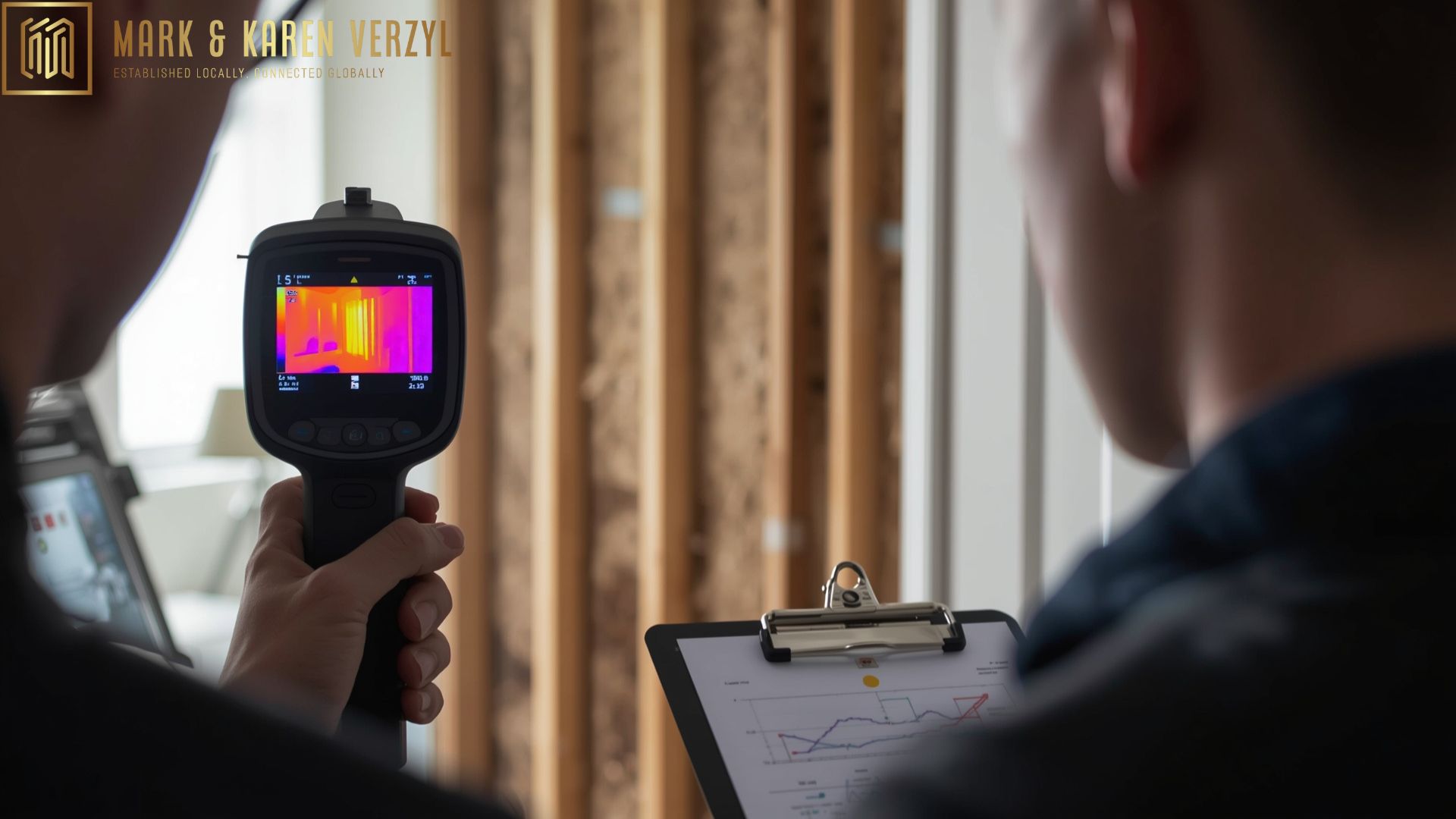
Thermal imaging represents another crucial component of professional energy audits. Using infrared cameras, auditors can visualize temperature differences across surfaces, revealing insulation gaps, thermal bridges, and areas where conditioned air escapes or outside air infiltrates. These images provide compelling visual evidence of energy efficiency issues that would be impossible to detect through visual inspection alone.
Modern energy audits also include detailed analysis of heating and cooling systems, examining equipment efficiency, ductwork integrity, and distribution effectiveness. Auditors assess whether systems are properly sized for the home, operating at peak efficiency, and delivering conditioned air effectively to all living spaces. This analysis often reveals opportunities for significant energy savings through equipment upgrades, maintenance improvements, or system modifications.
The Energy Audit Process: What to Expect
For additional context, see our in-depth resource.
A comprehensive home energy audit typically requires three to four hours to complete, depending on the property size and complexity. The process begins with a detailed interview where auditors gather information about the home’s history, current energy usage patterns, comfort issues, and any previous efficiency improvements. This conversation helps auditors understand specific concerns and tailor their investigation accordingly.
The initial walkthrough involves a room-by-room examination of the property, during which auditors document existing conditions, identify obvious efficiency issues, and plan their testing strategy. They examine insulation levels in accessible areas, assess window and door conditions, evaluate lighting systems, and inspect major appliances for age and efficiency ratings. This preliminary assessment provides context for the more detailed testing that follows.
Blower door testing represents the most technically sophisticated aspect of most energy audits. The process involves sealing all intentional openings in the home, such as exhaust fans and fireplace dampers, then using the blower door fan to depressurize the building. Auditors measure the air flow required to maintain specific pressure differences, calculating the home’s overall air leakage rate and comparing it to efficiency standards.
While the blower door test runs, auditors use smoke pencils or thermal imaging cameras to locate specific air leaks. The negative pressure created by the fan makes even small leaks more apparent, allowing auditors to identify problem areas that contribute to energy waste and comfort issues. Common leak locations include electrical outlets on exterior walls, recessed lighting fixtures, attic access panels, and the junction between different building materials.
Ductwork evaluation forms another critical component of the audit process. Auditors examine accessible ductwork for leaks, inadequate insulation, and poor design that reduces system efficiency. In homes with forced-air heating and cooling systems, duct leakage can account for 20-30% of total energy consumption, making this assessment particularly valuable for identifying improvement opportunities.
Throughout the audit, professionals document their findings with photographs, measurements, and detailed notes. Many auditors use specialized software to model the home’s energy performance and calculate potential savings from various improvement measures. This analysis helps prioritize recommendations based on cost-effectiveness and impact on comfort and efficiency.
Benefits for Home Buyers: Making Informed Decisions
For additional context, see expert insights in this article.
For prospective homebuyers, a pre-purchase energy audit provides invaluable information that extends far beyond simple pass-or-fail assessments. The detailed analysis reveals both immediate concerns and long-term considerations that can significantly impact the total cost of homeownership and overall satisfaction with the property.
Financial benefits represent the most immediate and measurable advantages of pre-purchase energy audits. By identifying specific efficiency issues and quantifying potential improvements, buyers gain concrete data for crafting competitive offers that account for energy-related concerns. This information proves particularly valuable when comparing multiple properties or when dealing with older homes that may have hidden efficiency problems.
Energy audit results often reveal opportunities for immediate savings through simple, low-cost improvements such as air sealing, programmable thermostat installation, or heating system tune-ups. These quick wins can reduce energy consumption by 10-15% with minimal investment, providing immediate return on the audit cost. More significant improvements, such as insulation upgrades or heating system replacement, offer long-term savings that compound over years of ownership.
Comfort considerations represent another crucial benefit of pre-purchase energy audits. Many efficiency issues directly impact indoor comfort, creating drafts, temperature variations, and humidity problems that affect daily living quality. Understanding these issues before purchase allows buyers to address them systematically rather than dealing with ongoing comfort complaints and piecemeal solutions.
The audit process also reveals information about indoor air quality factors that may not be apparent during casual property visits. Poor ventilation, excessive moisture, and air leakage can contribute to health issues and structural problems over time. Identifying these concerns early allows buyers to factor remediation costs into their purchase decisions and ensure their new home provides a healthy living environment.
From a negotiation standpoint, energy audit results provide objective, third-party documentation of property conditions that can support requests for price adjustments or seller concessions. Unlike subjective assessments of cosmetic issues, energy efficiency problems have quantifiable costs and well-established solutions, making them powerful tools for purchase negotiations.
Types of Energy Audits: Choosing the Right Level
For additional context, see step-by-step instructions.
Energy audits vary significantly in scope, complexity, and cost, ranging from basic walk-through assessments to comprehensive diagnostic evaluations. Understanding these different levels helps buyers choose the most appropriate audit type for their specific needs and budget constraints.
Basic energy assessments, sometimes called Level I audits, involve visual inspections and simple measurements to identify obvious efficiency issues. These assessments typically cost $200-400 and focus on easily observable problems such as inadequate insulation, old windows, or inefficient heating equipment. While limited in scope, basic assessments can provide valuable information for buyers considering properties with apparent efficiency concerns.
Comprehensive energy audits, classified as Level II assessments, include detailed diagnostic testing and sophisticated analysis tools. These audits typically cost $400-800 and provide the most valuable information for homebuyers. The investment in comprehensive testing usually pays for itself through more accurate identification of efficiency opportunities and better negotiation positions during purchase discussions.
Level III audits involve extensive testing and computer modeling typically reserved for commercial properties or homes undergoing major renovations. These detailed assessments cost $800-1,500 but provide engineering-level analysis that may be unnecessary for most residential purchase decisions.
Utility company programs often provide subsidized or free basic energy assessments, though these typically focus on identifying opportunities for utility rebate programs rather than comprehensive buyer education. While useful for understanding general efficiency levels, utility assessments may not provide sufficient detail for purchase negotiations or comprehensive improvement planning.
Specialized audits target specific concerns such as indoor air quality, moisture problems, or heating system performance. These focused assessments can complement standard home inspections when buyers have particular concerns about environmental factors or system performance that might not be covered in general efficiency evaluations.
When selecting an audit level, buyers should consider the property age, apparent condition, and their own comfort with potential efficiency issues. Older homes, properties with obvious efficiency problems, or situations where energy costs represent a significant concern typically justify comprehensive audit investments.
Cost Considerations and Return on Investment
The cost of a professional home energy audit represents a relatively small investment compared to the potential savings and avoided expenses it can reveal. Understanding the financial aspects of energy audits helps buyers make informed decisions about when and how to incorporate these assessments into their home buying process.
Professional energy audit costs typically range from $300 to $800 for residential properties, depending on home size, audit complexity, and local market conditions. This investment often pays for itself within the first year through identified energy savings and avoided surprise expenses. When compared to the potential cost of addressing major efficiency issues after purchase, the audit fee represents excellent insurance against unexpected expenses.
The financial benefits of energy audits extend beyond immediate energy savings to include improved property value and reduced maintenance costs. Homes with documented energy efficiency improvements often command higher resale values and attract more buyer interest in increasingly environmentally conscious markets. Additionally, efficient homes typically require less maintenance on heating and cooling systems, reducing long-term ownership costs.
Many efficiency improvements identified through energy audits qualify for utility rebates, tax credits, or financing programs that can significantly reduce implementation costs. Professional auditors often provide information about available incentive programs and help homeowners prioritize improvements to maximize financial benefits. These programs can offset 20-50% of improvement costs in many cases.
The timing of energy audit investments can significantly impact their value for homebuyers. Conducting audits during the inspection period allows buyers to incorporate findings into purchase negotiations, potentially recovering the audit cost through price adjustments or seller concessions for identified issues. Post-purchase audits still provide valuable improvement guidance but miss opportunities for negotiation leverage.
Long-term financial benefits often exceed immediate savings, particularly in older homes with significant efficiency opportunities. Comprehensive improvements can reduce energy consumption by 20-40%, translating to hundreds or thousands of dollars in annual savings depending on home size and local utility costs. These savings compound over years of ownership, making energy audits one of the most cost-effective investments in home buying and ownership.
For buyers working with Mark Verzyl, incorporating energy efficiency considerations into the home search and evaluation process ensures that energy costs and improvement opportunities are properly factored into purchase decisions. This comprehensive approach to home buying helps clients make informed decisions that support both immediate needs and long-term financial goals.
Frequently Asked Questions
How long does a typical home energy audit take to complete?
A comprehensive home energy audit typically requires 3-4 hours to complete, depending on the size and complexity of the property. Basic assessments may take 1-2 hours, while detailed audits with extensive testing can require up to 6 hours for larger homes with complex systems.
When is the best time to schedule an energy audit during the home buying process?
The optimal timing for a pre-purchase energy audit is during the inspection period after your offer has been accepted. This timing allows you to incorporate audit findings into negotiations while still maintaining the option to withdraw from the purchase if significant issues are discovered. Understanding the complete home buying timeline helps ensure proper scheduling of all inspections and assessments.
What qualifications should I look for when hiring an energy auditor?
Look for auditors certified by recognized organizations such as the Building Performance Institute (BPI) or RESNET. Qualified auditors should have experience with residential properties, carry appropriate insurance, and use calibrated diagnostic equipment. Ask for references and examples of previous audit reports to assess their thoroughness and professionalism.
Can energy audit results be used to negotiate the purchase price?
Yes, energy audit results provide objective documentation of property conditions that can support price negotiations or requests for seller concessions. Quantifiable efficiency issues with known improvement costs give buyers concrete justification for adjustment requests, similar to how structural or mechanical issues identified in standard inspections are addressed.
What’s the difference between an energy audit and a standard home inspection?
Standard home inspections focus on structural integrity, safety issues, and major system functionality, while energy audits specifically examine efficiency, comfort, and energy consumption patterns. Energy audits use specialized diagnostic equipment like blower doors and thermal imaging cameras that aren’t typically part of general inspections.
Are there any government rebates or incentives available for energy audits?
Many provinces and utilities offer rebates or incentives for energy audits, particularly when combined with efficiency improvements. Programs vary by location, but savings of $100-300 on audit costs are common. Some programs also provide enhanced rebates for improvements when preceded by professional energy assessments.
What happens if the energy audit reveals major efficiency problems?
Major efficiency issues identified during pre-purchase audits provide opportunities for negotiation with sellers. You can request price reductions to cover improvement costs, ask sellers to complete specific upgrades before closing, or withdraw from the purchase if issues are too extensive. Having this information before closing prevents surprise expenses after move-in.
How accurate are energy audit predictions for potential savings?
Professional energy audits typically provide savings estimates accurate within 10-20% when improvements are properly implemented. Actual savings depend on factors such as occupant behavior, weather patterns, and energy prices, but audit recommendations are based on established engineering principles and real-world performance data.
Conclusion
A home energy audit represents one of the most valuable yet underutilized tools available to prospective homebuyers in today’s market. By providing detailed insights into a property’s energy performance, efficiency opportunities, and potential improvement costs, these assessments enable informed decision-making that can save thousands of dollars over the course of homeownership.
The comprehensive nature of professional energy audits goes far beyond surface-level observations, using sophisticated diagnostic equipment to reveal hidden inefficiencies and quantify improvement opportunities. This scientific approach provides objective data that proves invaluable during purchase negotiations and long-term ownership planning. Whether you’re considering an older home with obvious efficiency concerns or a newer property where performance isn’t immediately apparent, an energy audit can reveal crucial information that impacts both immediate comfort and long-term costs.
For buyers navigating today’s competitive real estate market, energy audits provide a strategic advantage that extends beyond simple cost savings. The detailed information helps differentiate between similar properties, supports confident decision-making, and ensures that energy efficiency factors are properly weighted alongside other important considerations such as location, size, and condition.
The investment in a pre-purchase energy audit typically pays for itself within the first year through reduced utility bills, avoided surprise expenses, and improved negotiation outcomes. More importantly, it provides the foundation for systematic improvements that enhance comfort, reduce environmental impact, and increase property value over time. As energy costs continue to rise and environmental consciousness grows, understanding a home’s energy performance becomes increasingly critical for both financial and lifestyle satisfaction.
Working with experienced real estate professionals who understand the value of comprehensive property evaluation, including energy efficiency assessments, ensures that all aspects of your potential investment receive proper consideration. This thorough approach to home buying supports confident decisions and successful long-term homeownership experiences.