

Calgary’s luxury real estate market has captured the attention of discerning investors seeking both prestige and profit potential in Western Canada’s economic powerhouse. As one of the country’s most dynamic cities, Calgary offers a unique blend of urban sophistication and natural beauty that makes luxury homes particularly appealing to affluent buyers. However, the question remains: is buying a luxury home in Calgary a good investment?
The luxury real estate segment in Calgary encompasses properties typically valued above $1 million, featuring premium locations, exceptional craftsmanship, and distinctive architectural elements. These properties often boast expansive floor plans, high-end finishes, smart home technology, and prime locations in prestigious neighborhoods like Mount Royal, Elbow Park, and Springbank. The city’s luxury market has shown remarkable resilience through various economic cycles, though it requires careful analysis to understand its investment potential.
Calgary’s economic foundation rests heavily on the energy sector, which has historically driven both population growth and real estate demand. The city’s proximity to the Canadian Rockies, combined with its status as a major business hub, creates a compelling environment for luxury property appreciation. However, investing in Calgary luxury homes involves understanding market dynamics that differ significantly from standard residential real estate.
The luxury market operates on different principles than conventional real estate, with factors like exclusivity, location prestige, and unique property features playing crucial roles in value determination. Unlike standard homes where comparable sales provide clear valuation guidance, luxury properties often command premiums based on intangible qualities that appeal to high-net-worth individuals. This complexity makes thorough market research and professional guidance essential for potential investors.
Economic diversification efforts in Calgary have strengthened the city’s long-term prospects, with growing technology, financial services, and renewable energy sectors reducing dependence on traditional oil and gas industries. This economic evolution has created new wealth centers and attracted international investors, potentially expanding the luxury home buyer pool. Understanding these broader economic trends becomes crucial when evaluating the investment potential of high-end Calgary properties.
Key Takeaways
For additional context, see this comprehensive guide.
- Market Resilience: Calgary’s luxury real estate market has demonstrated strong recovery patterns following economic downturns, with premium properties often outperforming standard residential real estate during growth periods.
- Location Premium: Established luxury neighborhoods like Mount Royal, Elbow Park, and Springbank command significant location premiums that tend to appreciate over time, making them potentially sound long-term investments.
- Economic Diversification Benefits: Calgary’s ongoing economic diversification beyond oil and gas creates new wealth centers, expanding the potential buyer pool for luxury properties and supporting sustained demand.
- Rental Yield Considerations: Luxury homes typically generate lower rental yields compared to standard properties, making capital appreciation the primary investment driver rather than cash flow generation.
- Market Timing Importance: Entry timing significantly impacts luxury real estate investment success, with market cycles affecting high-end properties more dramatically than standard residential real estate.
- Liquidity Challenges: Luxury properties generally take longer to sell and have smaller buyer pools, requiring investors to maintain longer investment horizons and adequate financial flexibility.
- Tax Implications: High-value property investments involve complex tax considerations, including capital gains treatment and potential foreign buyer taxes that can significantly impact overall returns.
Calgary Luxury Real Estate Market Overview
For additional context, see detailed information on this topic.
Calgary’s luxury real estate landscape reflects the city’s unique position as both an energy capital and emerging technology hub. The market encompasses diverse property types, from historic mansions in established neighborhoods to contemporary architectural masterpieces in newer developments. Properties exceeding $1 million represent approximately 15% of Calgary’s total real estate transactions, indicating a substantial luxury market segment.
The geographic distribution of luxury properties concentrates heavily in specific areas that offer either historical prestige or exceptional natural amenities. Inner-city neighborhoods like Mount Royal and Elbow Park command premium prices due to their proximity to downtown Calgary and the Bow River. Meanwhile, areas like Springbank and Bearspaw offer acreage properties with mountain views that attract buyers seeking privacy and natural beauty.
Market dynamics in Calgary’s luxury segment differ notably from Vancouver or Toronto, where foreign investment has driven significant price appreciation. Calgary’s luxury market remains primarily domestic, with buyers typically connected to the local economy through business ownership or executive positions. This domestic focus creates both stability and vulnerability, as local economic conditions directly impact buyer demand and pricing power.
Recent market data indicates that luxury home sales in Calgary have rebounded strongly from the 2015-2017 economic downturn, with properties above $1 million showing consistent transaction volume growth. The average days on market for luxury properties has decreased, suggesting improved buyer confidence and market liquidity. However, price appreciation has been more modest compared to other major Canadian cities, potentially offering better entry opportunities for investors.
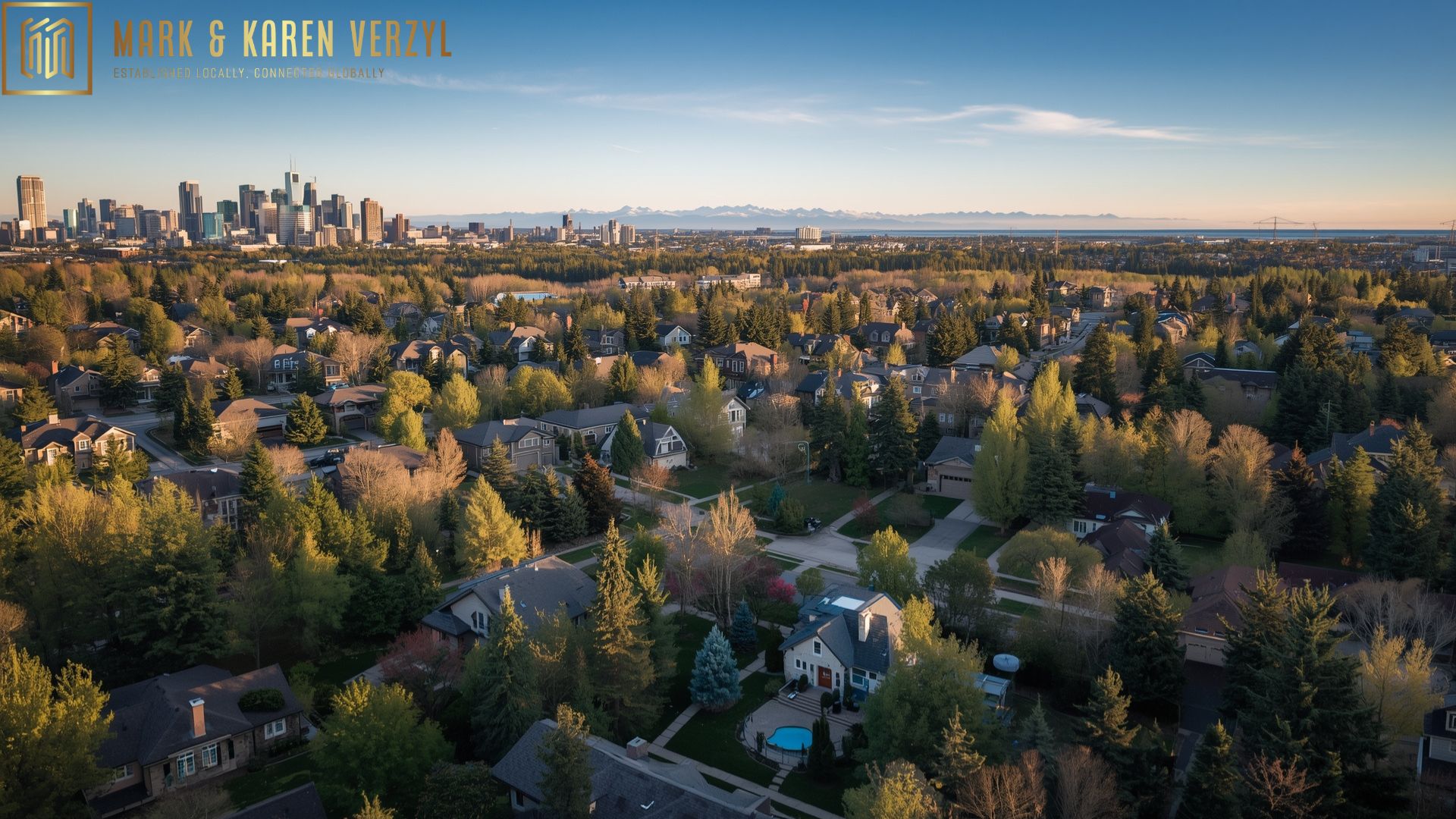
Investment Fundamentals for Calgary Luxury Homes
For additional context, see our in-depth resource.
Understanding the investment fundamentals of Calgary luxury real estate requires analyzing factors that drive value appreciation in the high-end market segment. Unlike standard residential properties where location and basic amenities determine value, luxury homes derive worth from exclusivity, architectural significance, and lifestyle amenities that appeal to affluent buyers. These properties often feature custom designs, premium materials, and unique characteristics that cannot be easily replicated.
Capital appreciation represents the primary investment driver for luxury real estate, as these properties typically generate lower rental yields compared to standard residential investments. When evaluating potential returns, investors should focus on long-term appreciation potential rather than immediate cash flow generation. The luxury market tends to experience more dramatic price swings during economic cycles, creating both opportunities and risks for strategic investors.
Location analysis becomes particularly crucial when investing in Calgary luxury homes, as certain neighborhoods maintain their prestige and value better than others during market downturns. Established areas with historical significance, natural amenities, or proximity to business districts typically demonstrate greater resilience. Properties offering unique features like river frontage, mountain views, or significant acreage often command premiums that persist through various market conditions.
The buyer profile for Calgary luxury homes consists primarily of successful business owners, energy executives, and professionals who value quality, exclusivity, and lifestyle amenities. Understanding this demographic helps investors identify properties with broad appeal and strong resale potential. Features like home offices, entertainment spaces, and outdoor amenities have become increasingly important, particularly following recent shifts toward remote work and home-based entertainment.
Market timing plays a critical role in luxury real estate investment success, as high-end properties experience more pronounced price volatility than standard homes. Economic cycles, interest rate changes, and local market conditions can significantly impact luxury property values. Investors should consider market entry points carefully and maintain sufficient financial flexibility to weather potential downturns while waiting for optimal exit opportunities.

Economic Factors Influencing Luxury Property Values
For additional context, see expert insights in this article.
Calgary’s economic landscape directly influences luxury real estate values through multiple interconnected factors that investors must carefully consider. The city’s historical dependence on energy sector performance has created cyclical patterns in luxury home demand, with periods of rapid appreciation followed by market corrections. However, ongoing economic diversification efforts have begun to moderate these cycles and create more stable long-term growth prospects.
The energy sector’s evolution toward cleaner technologies and sustainable practices has attracted new investment and talent to Calgary, supporting luxury real estate demand from emerging industry leaders. Companies focusing on carbon capture, renewable energy, and environmental technologies have established significant operations in Calgary, creating new wealth centers that contribute to luxury home purchases. This diversification reduces the market’s vulnerability to traditional oil and gas price volatility.
Calgary’s growing technology sector has emerged as another significant driver of luxury real estate demand, with successful entrepreneurs and tech executives seeking high-end properties that reflect their professional success. The city’s supportive business environment, competitive tax structure, and quality of life factors have attracted technology companies and startups, creating new buyer segments for luxury properties. This demographic shift supports sustained demand for homes with modern amenities and smart home features.
Interest rate environments significantly impact luxury real estate investment viability, as high-end properties often involve substantial financing components even for affluent buyers. Changes in borrowing costs can affect both buyer demand and investment returns, making interest rate trends crucial considerations for luxury property investors. Additionally, mortgage qualification requirements for luxury properties may involve more stringent income verification and down payment requirements.
International economic factors also influence Calgary’s luxury market through commodity prices, currency exchange rates, and global investment flows. The Canadian dollar’s strength relative to other currencies affects the attractiveness of Calgary luxury properties to international buyers, while global economic uncertainty can impact local business conditions and executive relocations that drive luxury home demand.
IMAGE PROMPT: Calgary downtown business district with modern skyscrapers and corporate headquarters, showing the economic vitality that supports luxury real estate demand, captured during blue hour with city lights illuminating the buildings
Neighborhood Analysis and Location Premiums
For additional context, see step-by-step instructions.
Calgary’s luxury real estate market concentrates in distinct neighborhoods that offer unique advantages and command varying price premiums based on their characteristics and amenities. Mount Royal stands as Calgary’s most prestigious inner-city neighborhood, featuring heritage homes and modern mansions within walking distance of downtown. Properties in this area consistently command premium prices due to their historical significance, mature landscaping, and proximity to the Bow River pathway system.
Elbow Park represents another premier luxury destination, offering a mix of renovated heritage homes and contemporary custom builds along tree-lined streets. The neighborhood’s proximity to downtown Calgary, combined with its riverside location and established community character, creates strong investment appeal. Properties here often feature larger lots than typical urban locations, providing privacy and expansion opportunities that luxury buyers value highly.
Springbank and the surrounding foothills areas attract buyers seeking acreage properties with mountain views and rural amenities while maintaining reasonable commuting distance to Calgary’s business centers. These locations offer unique investment opportunities for luxury properties that combine residential comfort with recreational land use. The limited supply of such properties, combined with Calgary’s growth patterns, supports long-term appreciation potential for well-located acreage homes.
Newer luxury developments in areas like Aspen Woods and Springbank Hill provide modern amenities and contemporary designs that appeal to buyers seeking turnkey luxury without the maintenance requirements of heritage properties. These communities often feature golf course access, walking trails, and proximity to high-quality schools, creating comprehensive lifestyle packages that support property values. The planned nature of these developments ensures consistent architectural standards and community amenities.
Each luxury neighborhood in Calgary offers different investment characteristics, from the historical prestige of Mount Royal to the modern convenience of newer developments. Investors should consider factors like future development plans, infrastructure improvements, and demographic trends when evaluating location premiums. Understanding the specific buyer preferences for each area helps identify properties with the strongest appreciation potential and broadest market appeal.
Financial Considerations and Return Analysis
Evaluating the financial aspects of Calgary luxury real estate investment requires understanding the unique characteristics that differentiate high-end properties from standard residential investments. Luxury homes typically involve higher acquisition costs, specialized financing requirements, and different return profiles that demand careful analysis. Initial investment amounts often exceed $1 million, requiring substantial capital commitments and comprehensive financial planning.
When assessing potential returns, investors should focus primarily on capital appreciation rather than rental income, as luxury properties generally generate lower yields compared to standard residential real estate. For those interested in understanding various property investment metrics, our detailed information on this topic provides comprehensive guidance on evaluating different return scenarios. The luxury market’s appreciation potential often compensates for lower immediate cash flow, but this requires longer investment horizons and patient capital.
Carrying costs for luxury properties include higher property taxes, insurance premiums, and maintenance expenses that can significantly impact overall returns. Premium properties often feature complex systems, high-end materials, and extensive landscaping that require specialized maintenance and periodic updates. These ongoing costs must be factored into investment projections to ensure realistic return expectations.
Financing luxury real estate investments involves considerations beyond standard mortgage qualification, including portfolio lending options, asset-based financing, and private lending solutions. Many luxury property investors utilize portfolio approaches that consider their overall asset allocation and risk management strategies. Working with experienced professionals who understand luxury market financing becomes essential for optimizing investment structures and minimizing costs.
Tax implications for luxury real estate investments can be complex, involving capital gains considerations, depreciation opportunities, and potential foreign buyer taxes depending on investor circumstances. Professional tax planning becomes crucial for maximizing after-tax returns and ensuring compliance with applicable regulations. The substantial values involved in luxury property transactions make tax efficiency particularly important for overall investment success.
Market Risks and Mitigation Strategies
Investing in Calgary luxury homes involves specific risks that differ from standard residential real estate investments, requiring careful consideration and proactive mitigation strategies. Market liquidity represents a primary concern, as luxury properties typically have smaller buyer pools and longer marketing periods compared to standard homes. This reduced liquidity can impact exit timing and may require investors to maintain properties longer than initially planned.
Economic sensitivity poses another significant risk factor, as luxury real estate often experiences more dramatic price swings during economic cycles. Calgary’s economic base, while diversifying, still maintains connections to commodity markets that can create volatility in luxury property demand. Investors should prepare for potential market downturns and maintain adequate financial reserves to weather temporary value declines.
Property-specific risks include maintenance complexity, obsolescence concerns, and changing buyer preferences that can affect individual property values. Luxury homes often feature custom designs, high-end systems, and unique amenities that may require expensive maintenance or updates to remain competitive. Staying current with luxury market trends and maintaining properties to contemporary standards becomes crucial for preserving investment value.
Market timing risks can significantly impact luxury real estate investment returns, as entry and exit points greatly influence overall performance. Unlike standard residential properties with more predictable demand patterns, luxury markets can experience sudden shifts based on economic conditions, demographic changes, or external factors. Developing flexible investment strategies and maintaining realistic timelines helps mitigate timing-related risks.
Mitigation strategies for luxury real estate investment include thorough due diligence, professional property management, adequate insurance coverage, and diversified investment approaches. Working with experienced real estate professionals who understand the luxury market provides valuable insights and risk management guidance. Additionally, maintaining sufficient liquidity and avoiding over-leveraging helps ensure financial flexibility during challenging market periods.
Expert Insights from Mark Verzyl
As a Calgary real estate professional with extensive experience in the luxury market segment, Mark Verzyl provides valuable perspective on the investment potential of high-end properties in the city. His insights reflect years of working with luxury home buyers and sellers, offering practical guidance for investors considering this market segment.
“Calgary’s luxury real estate market offers unique opportunities for investors who understand its cyclical nature and long-term growth potential,” notes Mark Verzyl. “The key to success lies in identifying properties with enduring appeal and locations that maintain their prestige through various market conditions. Buyers who focus on established neighborhoods with historical significance and natural amenities typically achieve the best long-term results.”
Mark emphasizes the importance of working with experienced professionals who understand the nuances of luxury property transactions. For families navigating the home buying process, our step-by-step instructions provide comprehensive guidance on managing complex real estate transactions. The luxury market involves additional considerations around privacy, discretion, and specialized marketing approaches that require professional expertise.
“Timing plays a crucial role in luxury real estate investment success,” Mark explains. “Unlike standard residential properties, luxury homes can experience significant price movements based on economic conditions and buyer sentiment. Investors who enter the market during favorable conditions and maintain realistic timelines typically achieve better outcomes than those who rush into purchases or expect quick returns.”
According to Mark, successful luxury real estate investors focus on properties that offer unique value propositions, whether through location, architecture, or amenities that cannot be easily replicated. Understanding buyer motivations and market trends helps identify properties with the strongest appreciation potential and broadest appeal to future purchasers.
Frequently Asked Questions
What price range defines luxury homes in Calgary?
Luxury homes in Calgary typically start around $1 million and can exceed $5 million for premium properties. The exact threshold varies by neighborhood and market conditions, but properties above $1.5 million consistently demonstrate luxury market characteristics including premium locations, high-end finishes, and distinctive features.
How does Calgary’s luxury market compare to Vancouver and Toronto?
Calgary’s luxury market offers more affordable entry points compared to Vancouver and Toronto, with less foreign investment influence and stronger connections to local economic conditions. This creates both opportunities for value-conscious luxury buyers and greater sensitivity to regional economic factors.
What are the best neighborhoods for luxury real estate investment in Calgary?
Mount Royal, Elbow Park, and Springbank represent the most established luxury neighborhoods, each offering different advantages. Mount Royal provides urban prestige, Elbow Park offers riverside amenities, and Springbank features acreage properties with mountain views. Each area has demonstrated strong long-term value retention.
How long should I plan to hold a luxury property investment?
Luxury real estate investments typically require 5-10 year holding periods to realize optimal returns, as these properties experience more dramatic market cycles and may take longer to sell. Patient capital and longer investment horizons generally produce better outcomes in the luxury market segment.
What financing options are available for luxury home purchases?
Luxury home financing includes conventional mortgages, portfolio lending, private financing, and asset-based lending solutions. Many luxury buyers utilize multiple financing sources and work with specialized lenders who understand high-net-worth client needs and complex property transactions.
Do luxury homes generate good rental income?
Luxury homes typically generate lower rental yields compared to standard residential properties, often ranging from 2-4% annually. For investors interested in rental income analysis, our comprehensive guide provides detailed calculations for evaluating property cash flow potential across different market segments.
What are the main risks of investing in Calgary luxury real estate?
Primary risks include market liquidity challenges, economic sensitivity, higher carrying costs, and longer marketing periods. The luxury market’s smaller buyer pool and connection to local economic conditions create additional volatility compared to standard residential investments.
How do I find qualified professionals for luxury real estate transactions?
Look for real estate professionals with specific luxury market experience, professional certifications, and proven track records in high-end transactions. For guidance on selecting the right professional support, our detailed information on this topic offers comprehensive advice for homebuyers navigating complex real estate decisions.
Conclusion
Investing in Calgary luxury homes can represent a sound investment strategy for qualified investors who understand the market’s unique characteristics and maintain realistic expectations about returns and timelines. The city’s economic diversification, combined with its natural beauty and established luxury neighborhoods, creates a foundation for long-term property appreciation. However, success requires careful property selection, adequate financial resources, and professional guidance throughout the investment process.
Calgary’s luxury real estate market offers advantages including more affordable entry points compared to Vancouver and Toronto, strong connections to a diversifying economy, and established neighborhoods with proven value retention. The market’s domestic focus provides stability while creating opportunities for investors who understand local economic drivers and buyer preferences.
Potential investors should focus on properties in established luxury neighborhoods, maintain longer investment horizons, and prepare for the unique challenges of luxury real estate ownership including higher carrying costs and potential liquidity constraints. Working with experienced professionals who understand the luxury market becomes essential for navigating complex transactions and maximizing investment outcomes. With proper planning and realistic expectations, Calgary luxury homes can provide both lifestyle benefits and solid long-term investment returns for qualified investors.