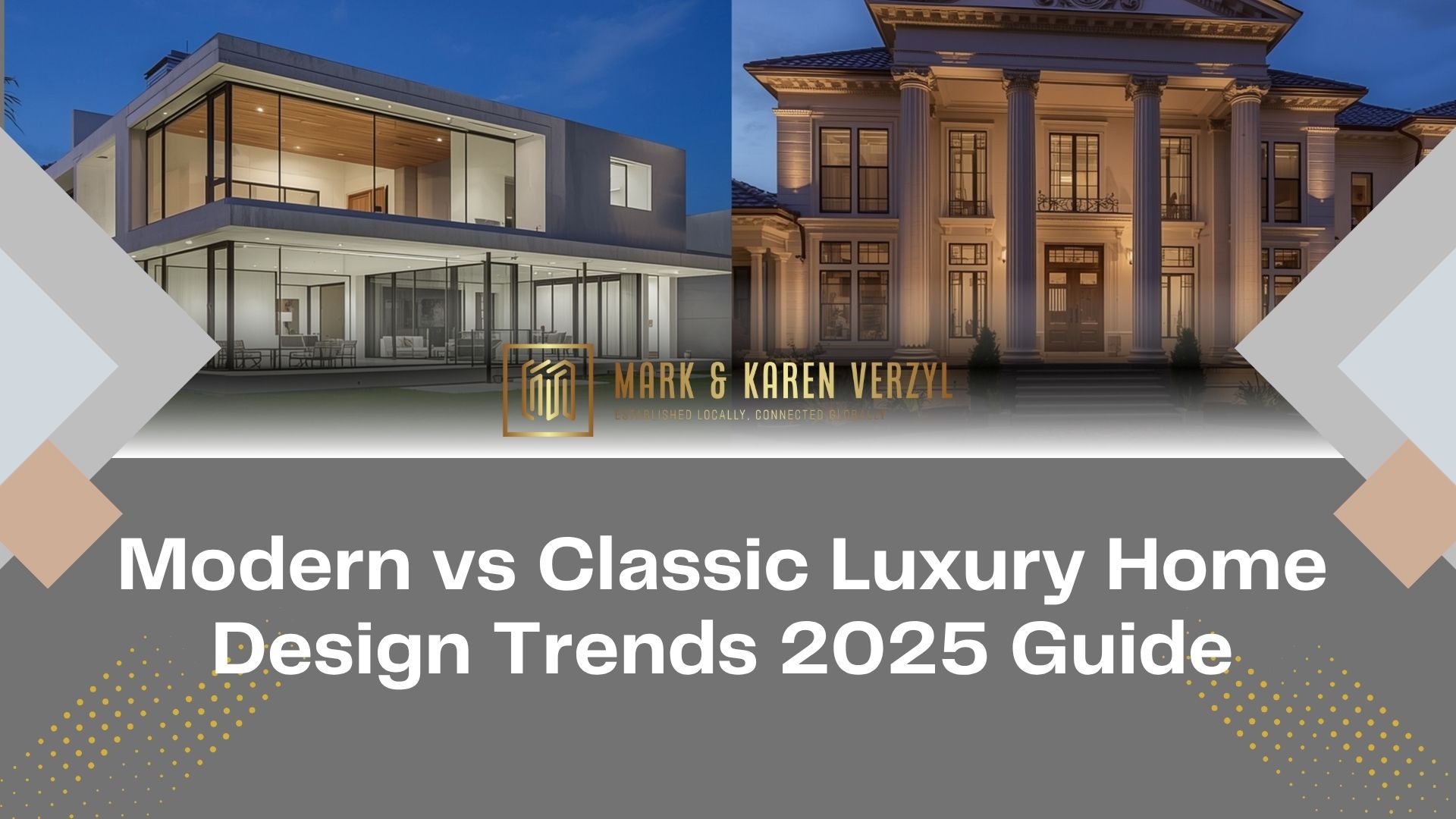
The luxury home market in 2025 presents an fascinating dichotomy between two dominant design philosophies that continue to captivate discerning homeowners. Modern luxury home design, with its emphasis on clean lines, technological integration, and minimalist aesthetics, stands in compelling contrast to classic design approaches that celebrate timeless elegance, traditional craftsmanship, and enduring architectural principles. This ongoing dialogue between contemporary innovation and historical reverence shapes today’s most prestigious residential developments.
As we examine the current landscape of luxury home design trends, it becomes evident that both modern and classic approaches offer distinct advantages that appeal to different lifestyle preferences and aesthetic sensibilities. Modern designs typically emphasize open floor plans, sustainable materials, smart home technology integration, and seamless indoor-outdoor living experiences. These homes often feature expansive glass walls, geometric forms, and neutral color palettes that create sophisticated, uncluttered environments perfect for contemporary living.
Classic luxury home designs, conversely, draw inspiration from established architectural traditions, incorporating elements such as detailed moldings, rich material selections, formal room arrangements, and time-tested proportions. These properties often showcase handcrafted details, premium natural materials, and design elements that have proven their appeal across generations. The enduring popularity of classic design stems from its ability to create spaces that feel both grand and comfortable, sophisticated yet welcoming.
The choice between modern and classic luxury home design often reflects deeper lifestyle considerations beyond mere aesthetic preferences. Modern homes typically cater to homeowners who prioritize efficiency, technology integration, and flexible living spaces that can adapt to changing needs. Classic designs appeal to those who value tradition, formal entertaining spaces, and the psychological comfort that comes from time-tested design principles.
Understanding these design trends becomes particularly important when considering luxury real estate investments, as different markets and demographics show varying preferences for modern versus classic approaches. Some buyers gravitate toward cutting-edge modern features, while others seek the timeless appeal and proven value retention associated with classic luxury design elements.
Key Takeaways
For additional context, see this comprehensive guide.
- Modern luxury homes prioritize minimalism and technology: Contemporary designs emphasize clean lines, open floor plans, smart home integration, and sustainable materials that create sophisticated, efficient living environments.
- Classic luxury designs offer timeless appeal: Traditional approaches incorporate established architectural principles, premium natural materials, and detailed craftsmanship that have proven their enduring value across generations.
- Technology integration defines modern luxury: Today’s modern homes feature advanced automation systems, energy-efficient solutions, and seamless connectivity that enhance daily living experiences.
- Material selection varies significantly between styles: Modern designs favor steel, glass, and engineered materials, while classic homes showcase natural stone, hardwood, and traditional building materials.
- Indoor-outdoor living remains paramount: Both design philosophies emphasize connecting interior spaces with outdoor environments, though they achieve this goal through different architectural approaches.
- Investment considerations differ by style: Modern homes may offer better energy efficiency and lower maintenance costs, while classic designs often demonstrate stronger long-term value retention.
- Regional preferences influence design choices: Local architectural traditions, climate considerations, and market demographics significantly impact the popularity of modern versus classic luxury home designs.
- Hybrid approaches gain popularity: Many luxury homes successfully blend modern amenities with classic design elements, creating unique properties that appeal to diverse buyer preferences.
Design Philosophy Overview: Modern Versus Classic Approaches
For additional context, see detailed information on this topic.
The fundamental distinction between modern and classic luxury home design lies in their underlying philosophical approaches to space, function, and aesthetic expression. Modern design philosophy embraces the principle that form follows function, prioritizing efficiency, simplicity, and the integration of contemporary lifestyle needs. This approach typically results in homes that feel spacious, uncluttered, and technologically advanced, with every design element serving a specific purpose while contributing to an overall sense of sophisticated minimalism.
Classic luxury design philosophy, in contrast, draws from centuries of architectural evolution, incorporating proven design principles that have demonstrated their appeal across multiple generations. This approach values proportion, symmetry, and the use of premium materials to create spaces that convey permanence, elegance, and cultural sophistication. Classic designs often feature more formal room arrangements, detailed architectural elements, and rich material palettes that create environments designed for both impressive entertaining and comfortable daily living.
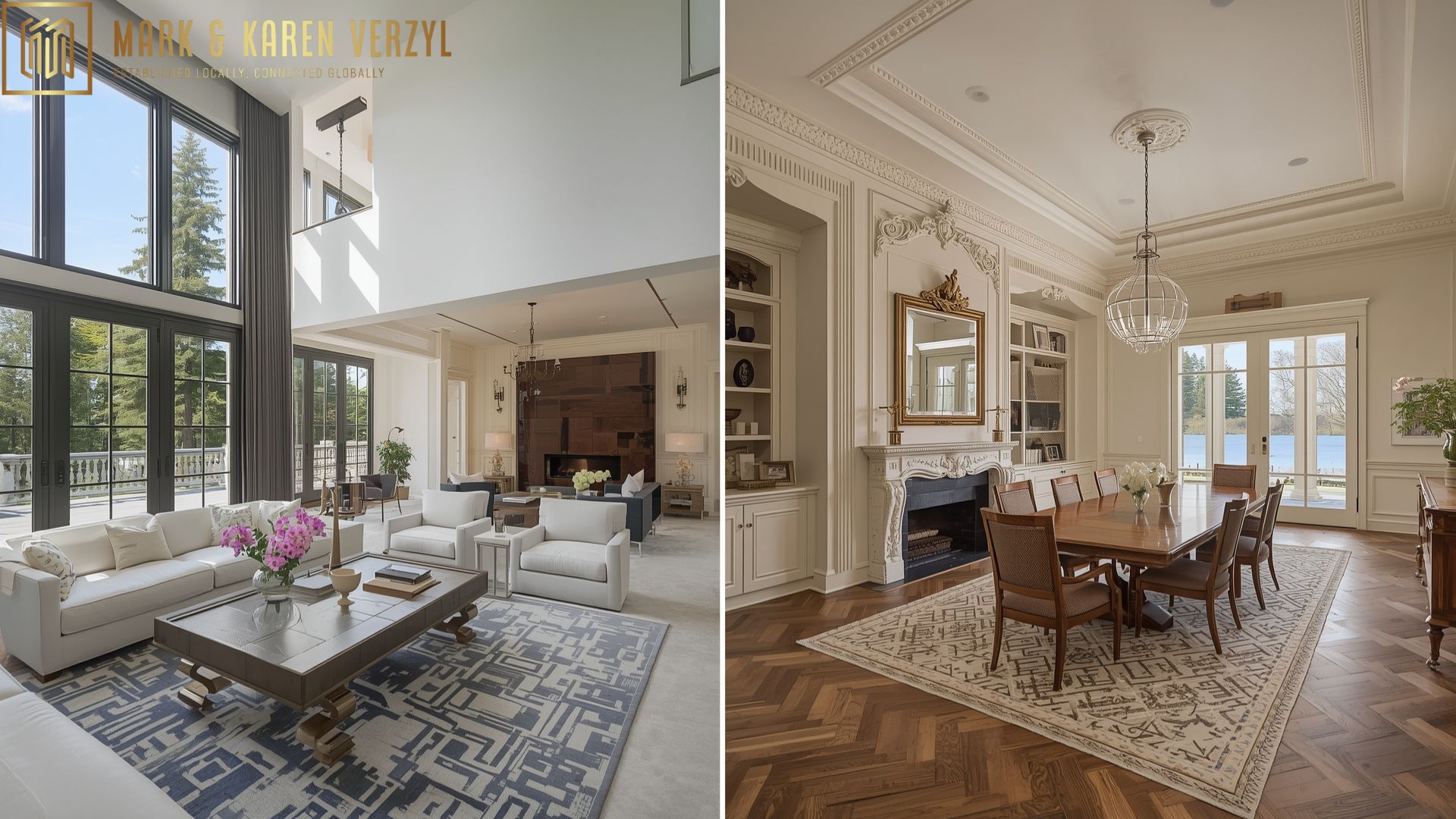
The modern approach to luxury home design typically emphasizes horizontal lines, expansive glass surfaces, and the elimination of unnecessary decorative elements. These homes often feature open-concept living areas that flow seamlessly from one space to another, creating flexible environments that can adapt to various activities and social situations. The color palettes in modern luxury homes tend toward neutral tones—whites, grays, and earth tones—that create calming, sophisticated atmospheres while allowing natural light and architectural features to take center stage.
Classic luxury homes, meanwhile, often incorporate vertical elements such as columns, detailed moldings, and multi-story spaces that create a sense of grandeur and formality. These properties typically feature more defined room functions, with dedicated spaces for specific activities such as formal dining, library study, or entertaining. The material selections in classic homes often include rich hardwoods, natural stone, and metals that develop beautiful patinas over time, contributing to the home’s character and sense of established elegance.
Modern Luxury Home Design Trends
For additional context, see our in-depth resource.
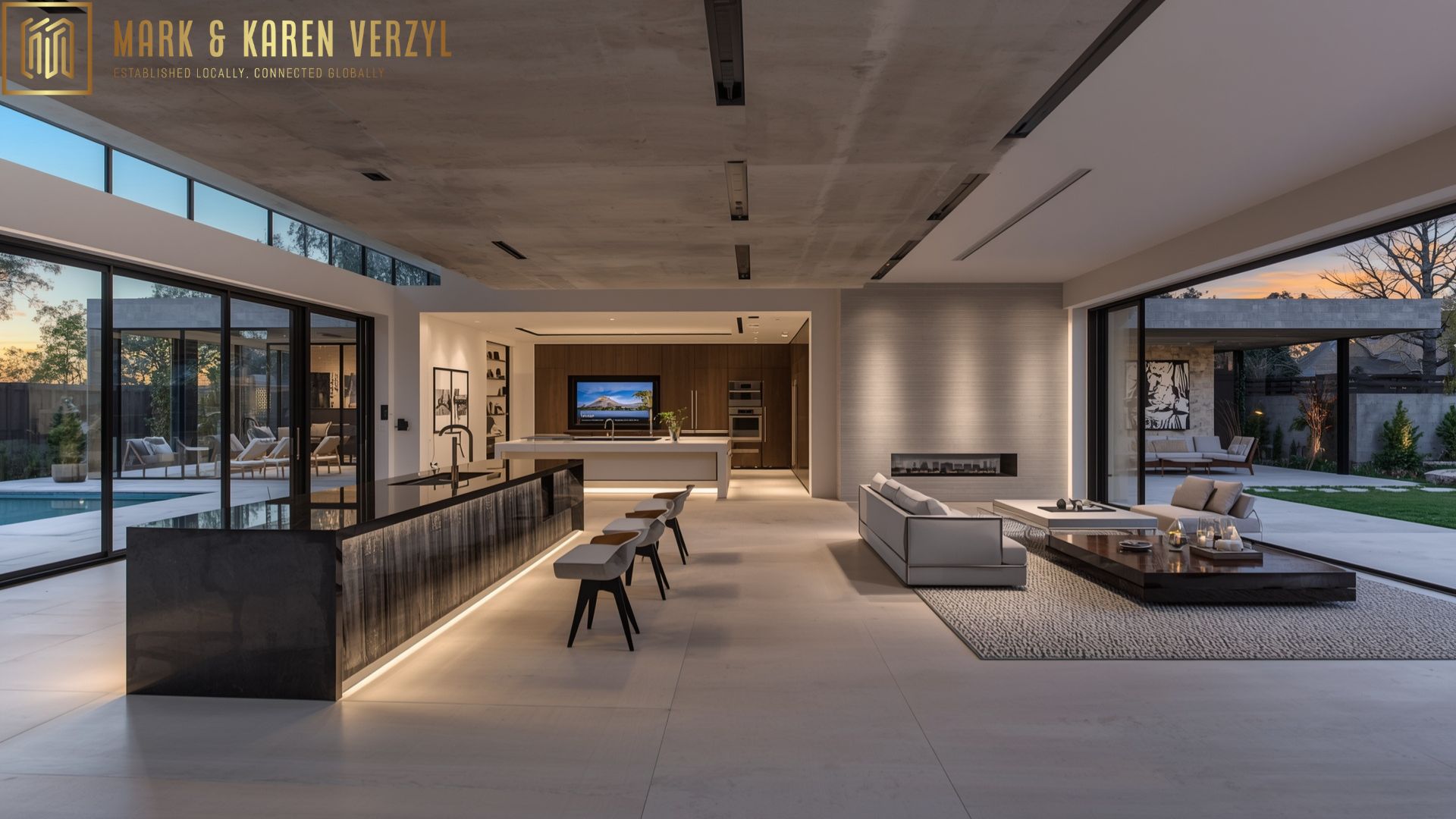
Contemporary modern luxury home design in 2025 showcases unprecedented integration of technology, sustainability, and minimalist aesthetics that create living environments perfectly suited to today’s sophisticated homeowners. The most prominent trend involves the seamless incorporation of smart home systems that control everything from lighting and climate to security and entertainment through intuitive interfaces that remain virtually invisible within the home’s design framework.
Sustainable luxury represents another defining characteristic of modern home design, with developers and architects prioritizing environmentally responsible materials and energy-efficient systems without compromising on comfort or sophistication. Solar panel integration has evolved beyond simple rooftop installations to include building-integrated photovoltaics that serve as both functional energy sources and attractive architectural elements. Geothermal heating and cooling systems, advanced insulation technologies, and smart glass that adjusts transparency based on lighting conditions all contribute to homes that minimize environmental impact while maximizing comfort.
The modern luxury kitchen has evolved into a sophisticated culinary workspace that combines professional-grade appliances with sleek, minimalist design elements. Waterfall-edge countertops crafted from premium quartz or natural stone create dramatic focal points, while hidden storage solutions maintain the clean, uncluttered aesthetic that defines modern design. Advanced ventilation systems allow for open-concept cooking areas that don’t compromise air quality in adjacent living spaces, and integrated technology enables remote monitoring and control of cooking processes.
Bathroom design in modern luxury homes emphasizes spa-like experiences through the use of premium materials, advanced fixtures, and thoughtful lighting design. Floating vanities create visual lightness while providing practical storage, and walk-in showers with multiple shower heads, steam capabilities, and digital temperature controls transform daily routines into luxurious experiences. Smart mirrors with integrated displays, heated floors, and automated lighting systems that adjust to circadian rhythms all contribute to bathrooms that feel more like private wellness retreats.
For those considering luxury property investments, understanding these modern design trends becomes particularly important when evaluating financing options, as properties featuring cutting-edge amenities may require specialized financing approaches that account for their unique features and higher valuations.
Classic Luxury Home Design Elements
Classic luxury home design in 2025 continues to celebrate timeless architectural principles while incorporating modern conveniences that enhance comfort without compromising traditional aesthetic appeal. The enduring popularity of classic design stems from its ability to create spaces that feel both grand and inviting, sophisticated yet comfortable, drawing from centuries of architectural evolution to establish environments that transcend temporary trends.
Traditional material selections form the foundation of classic luxury design, with natural hardwood flooring, marble countertops, and stone fireplaces creating rich, textured environments that develop character over time. Crown moldings, coffered ceilings, and detailed millwork demonstrate the craftsmanship that distinguishes classic luxury homes from standard residential construction. These elements require skilled artisans and premium materials, contributing to both the initial investment and long-term value appreciation of classic luxury properties.
The classic luxury kitchen maintains formal design principles while incorporating modern functionality through carefully concealed appliances and traditional cabinetry styles. Custom millwork often includes detailed panel designs, decorative hardware, and integrated storage solutions that maintain the room’s elegant appearance. Professional-grade appliances are selected not only for their performance capabilities but also for their ability to complement traditional design aesthetics, often featuring panel-ready options that blend seamlessly with surrounding cabinetry.
Formal dining rooms and dedicated library spaces represent hallmarks of classic luxury design, providing specialized environments for entertaining and relaxation that modern open-concept designs often sacrifice for flexibility. These rooms typically feature rich wood paneling, custom built-in storage, and lighting designed to create intimate, comfortable atmospheres perfect for their intended functions. The attention to proportion and detail in these spaces reflects the classic design philosophy that each room should serve its purpose while contributing to the home’s overall sense of elegance and sophistication.
Classic luxury bathrooms emphasize traditional fixtures and premium materials while incorporating modern comfort features such as heated floors, advanced shower systems, and integrated sound systems. Freestanding soaking tubs, detailed tile work, and custom vanities crafted from premium hardwoods create spa-like environments that feel both luxurious and timeless. The integration of modern technology remains subtle, maintaining the traditional aesthetic while providing contemporary convenience.
When evaluating classic luxury properties, buyers often find that these homes require specialized financing solutions due to their premium construction costs and unique architectural features that contribute to higher property valuations.
Technology Integration in Luxury Home Design
The integration of advanced technology represents one of the most significant differentiators in luxury home design for 2025, with smart home systems becoming increasingly sophisticated while maintaining the aesthetic integrity that defines premium residential properties. Modern luxury homes typically showcase technology integration as a prominent feature, while classic designs incorporate similar capabilities through more discrete installations that preserve traditional visual elements.
Comprehensive home automation systems now control virtually every aspect of the living environment, from lighting and climate to security and entertainment, through centralized platforms that learn from residents’ preferences and automatically adjust settings for optimal comfort and efficiency. Voice control systems have evolved beyond simple command recognition to include natural language processing that allows for complex, conversational interactions with home systems. These advances enable homeowners to control multiple systems simultaneously through intuitive verbal instructions.
Security technology in luxury homes has advanced to include facial recognition systems, advanced motion detection, and integrated monitoring that provides real-time alerts and remote access capabilities. Smart locks, automated gate systems, and comprehensive surveillance networks create multiple layers of protection while maintaining convenient access for residents and authorized visitors. The integration of these systems with mobile devices allows homeowners to monitor and control security features from anywhere in the world.
Entertainment technology has evolved to include whole-home audio systems, hidden display screens that emerge from furniture or walls when needed, and integrated streaming capabilities that provide access to unlimited content throughout the property. Home theater systems now feature advanced projection technology, immersive sound systems, and automated lighting control that creates cinema-quality experiences within residential settings. These systems often include acoustic treatments and specialized seating that rival commercial entertainment venues.
Energy management systems represent another crucial technology integration, with smart meters, automated HVAC controls, and integrated renewable energy systems that optimize efficiency while reducing environmental impact. These systems can automatically adjust energy usage based on occupancy patterns, weather conditions, and utility pricing, resulting in significant cost savings while maintaining optimal comfort levels. Advanced battery storage systems ensure uninterrupted power supply during outages while supporting sustainable energy goals.
The complexity of these technology integrations often requires buyers to work with specialized lending partners who understand the unique valuation considerations associated with properties featuring extensive smart home systems and advanced technology infrastructure.
Material Selection and Sustainability Trends
Material selection in luxury home design for 2025 reflects growing environmental consciousness while maintaining the premium quality and aesthetic appeal that define high-end residential properties. Both modern and classic design approaches now prioritize sustainable materials that offer long-term durability, reduced environmental impact, and superior performance characteristics that justify their premium costs through extended lifecycles and reduced maintenance requirements.
Sustainable hardwood flooring options now include responsibly harvested species, reclaimed materials with unique character, and engineered products that provide traditional wood aesthetics while utilizing fewer natural resources. Advanced finishing techniques protect these materials while enhancing their natural beauty, creating floors that maintain their appearance for decades with minimal maintenance. Bamboo and cork flooring alternatives offer sustainable options for homeowners seeking unique aesthetic elements while supporting environmental goals.
Natural stone selections increasingly emphasize locally sourced materials that reduce transportation costs and environmental impact while providing unique regional character. Advanced quarrying and processing techniques allow for more efficient use of natural stone resources, while improved installation methods reduce waste and ensure long-term performance. Recycled glass countertops and surfaces provide striking visual elements while supporting sustainability goals through the reuse of post-consumer materials.
Metal selections in luxury homes now include recycled steel, aluminum, and copper products that offer superior performance while reducing environmental impact. Advanced coating technologies protect these materials from corrosion and wear while maintaining their aesthetic appeal. Brass and bronze fixtures crafted from recycled materials provide traditional luxury aesthetics while supporting sustainable building practices.
Insulation and building envelope materials have evolved to include advanced synthetic options that provide superior thermal performance while utilizing recycled content. These materials contribute to energy efficiency goals while reducing long-term operating costs. Advanced window systems featuring multiple glazing layers, gas fills, and specialized coatings provide excellent thermal performance while maintaining the large glass areas that define modern luxury design.
The premium costs associated with sustainable luxury materials often influence financing decisions, particularly for buyers considering different property types that may offer varying opportunities for sustainable design implementation and long-term value appreciation.
Expert Insights from Mark Verzyl
As a leading luxury real estate professional in Calgary’s premium market, Mark Verzyl has observed significant evolution in buyer preferences regarding modern versus classic luxury home design trends. His extensive experience working with discerning clients reveals that today’s luxury homebuyers increasingly seek properties that successfully blend contemporary amenities with timeless design elements, creating homes that offer both cutting-edge functionality and enduring aesthetic appeal.
“The luxury market in 2025 demonstrates a clear preference for homes that don’t force buyers to choose between modern convenience and classic elegance,” notes Verzyl. “The most successful luxury properties incorporate smart home technology, sustainable materials, and energy-efficient systems within design frameworks that respect traditional proportions and craftsmanship. This approach creates homes that appeal to a broader range of buyers while maintaining strong long-term value appreciation potential.”
Verzyl emphasizes that financing considerations often play a crucial role in design decisions, as properties featuring extensive custom work, premium materials, and advanced technology systems may require specialized lending approaches. His clients frequently benefit from working with lenders who understand the unique valuation challenges associated with luxury properties that incorporate both modern and classic design elements.
Market trends observed by Verzyl indicate that buyers increasingly prioritize homes that offer flexibility for future modifications while maintaining core design integrity. This preference has led to increased demand for properties with strong architectural bones that can accommodate evolving technology and lifestyle needs without requiring major structural changes. The most successful luxury developments incorporate this flexibility into their initial design concepts.
For international buyers particularly, Verzyl notes that the choice between modern and classic design often reflects cultural preferences and investment strategies. Some buyers prefer modern designs for their efficiency and lower maintenance requirements, while others gravitate toward classic designs for their proven value retention and universal appeal. Understanding these preferences helps guide both property selection and financing decisions.
Working with clients who require specialized financing solutions has given Verzyl unique insights into how design trends influence property valuations and lending decisions, particularly for properties that represent significant departures from standard residential construction and design approaches.
Frequently Asked Questions
What are the main differences between modern and classic luxury home design in 2025?
Modern luxury homes emphasize minimalist aesthetics, advanced technology integration, sustainable materials, and open floor plans that create flexible living spaces. Classic luxury designs focus on traditional architectural elements, premium natural materials, formal room arrangements, and detailed craftsmanship that creates timeless elegance. Both approaches can incorporate similar amenities, but they achieve luxury through different design philosophies.
Which design style offers better long-term value retention?
Classic luxury designs traditionally demonstrate stronger long-term value retention due to their timeless appeal and proven market acceptance across generations. However, modern homes featuring high-quality sustainable materials and advanced technology systems are increasingly showing strong value appreciation, particularly in markets where buyers prioritize energy efficiency and contemporary amenities.
How do technology integrations differ between modern and classic luxury homes?
Modern luxury homes typically showcase technology as a prominent design feature, with visible smart home controls, integrated displays, and contemporary fixtures. Classic luxury homes incorporate similar technology capabilities through discrete installations that maintain traditional aesthetic elements, often hiding modern systems behind traditional panels or within custom millwork.
What sustainable materials are popular in luxury home design?
Popular sustainable materials include responsibly harvested hardwoods, recycled metal fixtures, locally sourced natural stone, bamboo and cork flooring alternatives, recycled glass surfaces, and advanced insulation materials with recycled content. These materials provide luxury aesthetics while supporting environmental goals and often offer superior long-term performance.
How do financing requirements differ for modern versus classic luxury homes?
Both design styles may require specialized luxury home financing due to higher property values and unique features. Modern homes with extensive technology systems may need appraisers familiar with smart home valuations, while classic homes with custom millwork and premium materials require lenders who understand traditional craftsmanship values. The specific financing approach depends more on property value and features than design style.
Can modern and classic design elements be successfully combined?
Yes, many successful luxury homes blend modern amenities with classic design elements, creating properties that offer contemporary functionality within traditional aesthetic frameworks. This hybrid approach often appeals to broader buyer demographics and can provide the benefits of both design philosophies while maintaining strong market appeal.
What role does regional preference play in design choice?
Regional architectural traditions, climate considerations, and local market demographics significantly influence design preferences. Some markets show stronger preferences for modern designs due to climate or cultural factors, while others favor classic approaches that reflect local architectural heritage. Understanding regional preferences is crucial for both design decisions and investment strategies.
How do maintenance requirements compare between design styles?
Modern luxury homes often feature lower maintenance requirements due to advanced materials and simplified design elements, though technology systems may require periodic updates. Classic luxury homes may require more specialized maintenance for detailed millwork and traditional materials, but these elements often age gracefully and can be restored rather than replaced, potentially offering long-term cost advantages.
Conclusion
The luxury home design landscape in 2025 presents compelling opportunities for buyers who understand the distinct advantages offered by both modern and classic approaches. Modern luxury homes excel in providing efficient, technology-integrated living environments that support contemporary lifestyles while minimizing environmental impact through sustainable materials and energy-efficient systems. These properties appeal to buyers who prioritize innovation, flexibility, and cutting-edge amenities within sophisticated, minimalist settings.
Classic luxury designs continue to demonstrate their enduring appeal through timeless architectural principles, premium natural materials, and detailed craftsmanship that creates environments of lasting elegance and sophistication. These homes offer proven value retention, formal entertaining capabilities, and the psychological comfort that comes from design elements that have demonstrated their appeal across multiple generations.
The most successful luxury properties in today’s market often incorporate elements from both design philosophies, creating homes that offer modern convenience within frameworks that respect traditional proportions and materials. This hybrid approach allows buyers to enjoy contemporary amenities while maintaining the timeless appeal that supports long-term value appreciation.
For prospective luxury homebuyers, the choice between modern and classic design should reflect personal lifestyle preferences, long-term investment goals, and practical considerations such as maintenance requirements and financing options. Working with experienced professionals who understand both design trends and the specialized financing requirements of luxury properties ensures that buyers can make informed decisions that align with their specific needs and objectives. Whether choosing cutting-edge modern design or timeless classic elegance, today’s luxury home market offers exceptional opportunities for discerning buyers who understand the unique benefits each approach provides.