

When considering luxury real estate investments or personal residences, the choice between a luxury condominium and a single-family home represents one of the most significant decisions buyers face. Each option offers distinct advantages and challenges that can profoundly impact your lifestyle, financial returns, and long-term satisfaction with your property investment.
The luxury real estate market has evolved considerably in recent years, with both condominiums and single-family homes offering increasingly sophisticated amenities and features. Modern luxury condos provide urban convenience, premium building amenities, and often spectacular views, while single-family luxury homes deliver privacy, customization opportunities, and typically more space for growing families or those who value independence.
Understanding the nuances between these two property types becomes crucial when making such a substantial investment. Factors such as maintenance responsibilities, privacy levels, investment potential, lifestyle preferences, and long-term goals all play vital roles in determining which option aligns best with your specific needs and circumstances.
The decision extends beyond simple preference, encompassing practical considerations like property management, resale value, rental income potential, and the level of control you desire over your living environment. Luxury condos often appeal to busy professionals who value convenience and building amenities, while single-family homes attract those seeking space, privacy, and the freedom to customize their property extensively.
Market dynamics also influence this choice significantly. Urban centers typically favor luxury condominiums due to space constraints and proximity to business districts, while suburban and rural luxury markets lean heavily toward single-family properties. Economic factors, including property taxes, maintenance costs, and potential appreciation rates, vary considerably between these property types and can substantially impact your long-term financial outcomes.
Key Takeaways
For additional context, see this comprehensive guide.
- Maintenance and Responsibility: Luxury condos offer hassle-free living with professional management handling exterior maintenance, landscaping, and building systems, while single-family homes require owners to manage all maintenance aspects independently, providing complete control but demanding more time and resources.
- Privacy and Space: Single-family luxury homes typically provide significantly more privacy, outdoor space, and room for expansion, making them ideal for families or those who value independence, whereas luxury condos offer compact luxury with shared amenities but limited privacy and space.
- Investment Potential: Both property types can offer strong investment returns, but single-family luxury homes generally appreciate more consistently over time and appeal to a broader buyer pool, while luxury condos may experience more volatile market fluctuations but often provide better rental income potential in urban markets.
- Lifestyle Considerations: Luxury condos excel in providing urban convenience, walkability to amenities, and building features like concierge services, fitness centers, and rooftop terraces, while single-family homes offer the freedom to customize, entertain large groups, and enjoy private outdoor spaces.
- Financial Implications: Condo ownership involves monthly HOA fees that cover building maintenance and amenities but reduce your control over these costs, while single-family homes require budgeting for all maintenance and improvements but offer complete financial autonomy and potential tax advantages.
- Resale Flexibility: Single-family luxury homes typically attract a wider range of potential buyers and may sell more quickly, while luxury condos appeal to a more specific buyer demographic but can offer advantages in markets with high demand for urban living and convenience.
Understanding Luxury Property Types
For additional context, see detailed information on this topic.
The luxury real estate market encompasses a diverse range of property types, each designed to meet specific lifestyle preferences and investment objectives. Luxury condominiums represent vertical living at its finest, typically featuring high-end finishes, premium building amenities, and strategic locations in desirable urban or suburban markets. These properties often occupy the upper floors of prestigious buildings, offering panoramic views and access to shared facilities that would be prohibitively expensive for individual homeowners to maintain privately.
Single-family luxury homes, conversely, provide horizontal luxury with emphasis on privacy, space, and customization potential. These properties range from contemporary architectural masterpieces to traditional estates, often featuring extensive grounds, private amenities, and the flexibility to modify or expand according to owner preferences. The luxury single-family market encompasses everything from urban mansions to sprawling suburban estates and rural retreats.
Both property types have evolved to incorporate cutting-edge technology and sustainable design elements. Modern luxury developments increasingly focus on energy efficiency, smart home integration, and wellness-focused amenities that appeal to today’s discerning buyers. The definition of luxury continues to expand beyond mere square footage and expensive finishes to encompass lifestyle enhancement and technological sophistication.
Market positioning also differs significantly between these property types. Luxury condos often emphasize location, views, and building amenities as primary selling points, while single-family luxury homes focus on privacy, space, and the potential for personalization. Understanding these fundamental differences helps buyers align their choice with their long-term lifestyle and investment goals.
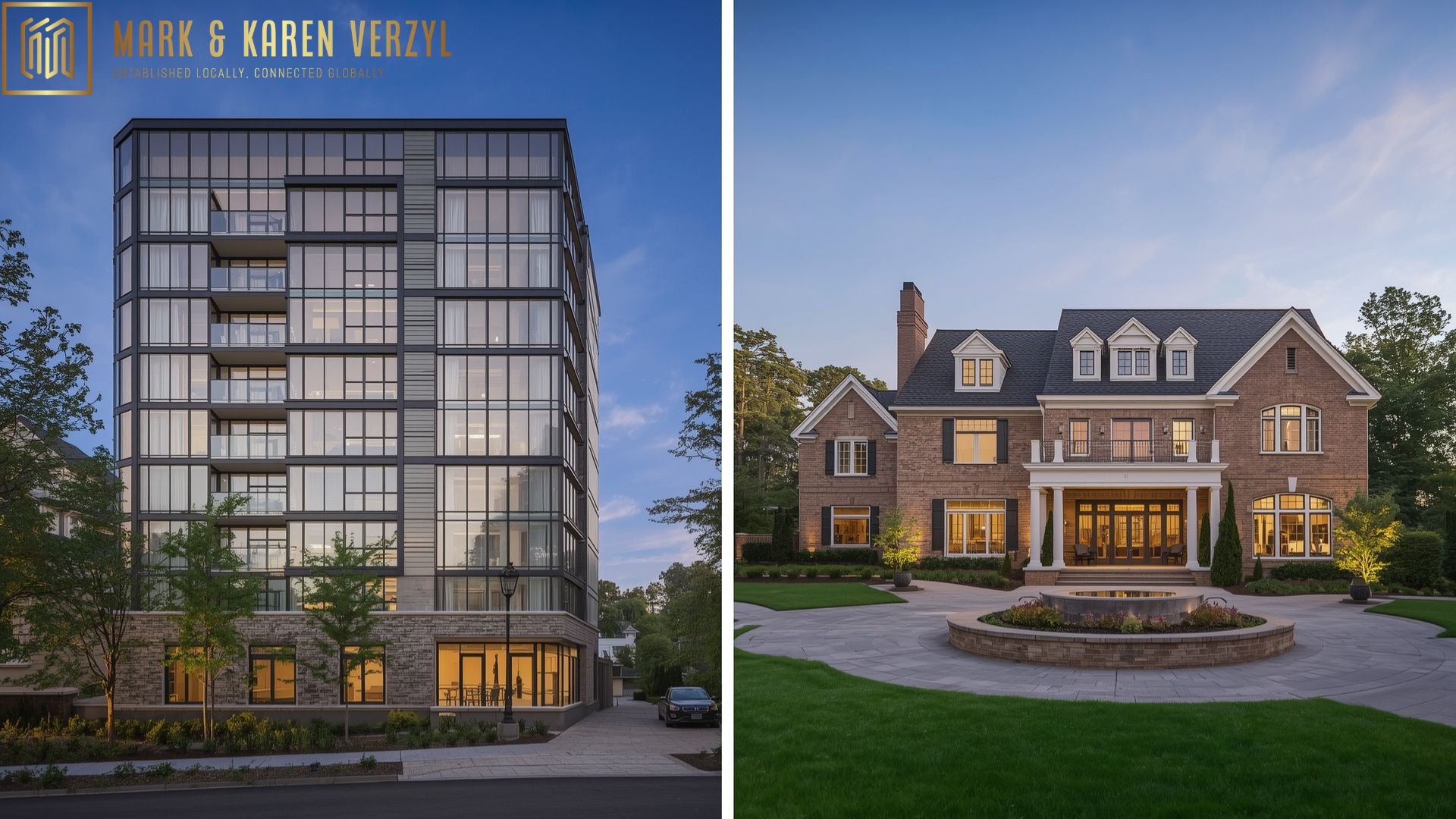
Lifestyle and Convenience Factors
For additional context, see our in-depth resource.
The lifestyle implications of choosing between luxury condos and single-family homes extend far beyond the physical structure itself. Luxury condominium living typically offers unparalleled convenience for busy professionals and those who prioritize location over space. Many luxury condo buildings provide concierge services, valet parking, package handling, and 24-hour security, creating a hotel-like living experience that eliminates many daily hassles and time-consuming tasks.
Building amenities in luxury condominiums often rival those found in five-star resorts. State-of-the-art fitness centers, rooftop pools, private dining rooms, business centers, and entertainment spaces provide residents with premium facilities without the cost and maintenance burden of private ownership. These shared amenities foster a sense of community while offering access to luxury features that would be financially impractical for individual homeowners.
Single-family luxury homes excel in providing privacy and space for those who value independence and customization. Homeowners enjoy complete control over their environment, from landscaping and exterior modifications to interior renovations and additions. The ability to host large gatherings, maintain private gardens, and create personalized outdoor entertainment spaces appeals to families and individuals who view their home as a private sanctuary.
Location considerations also play a crucial role in lifestyle impact. Luxury condos often occupy prime urban locations with walking access to restaurants, cultural venues, shopping, and business districts. This proximity reduces commute times and provides immediate access to city amenities. Single-family luxury homes may offer more space and privacy but often require longer commutes and greater reliance on vehicles for accessing urban conveniences.
The maintenance aspect significantly affects daily life quality. Condo owners benefit from professional management of building systems, landscaping, and exterior maintenance, freeing up time for other pursuits. However, this convenience comes with less control over maintenance timing and quality. Single-family homeowners must manage all aspects of property maintenance but enjoy complete autonomy over decisions and timing, which can be both liberating and demanding.

Financial Investment Considerations
For additional context, see expert insights in this article.
The financial implications of choosing between luxury condos and single-family homes extend well beyond the initial purchase price, encompassing ongoing costs, appreciation potential, and tax considerations that can significantly impact long-term wealth building. Understanding these financial nuances becomes crucial for making an informed investment decision that aligns with your financial goals and risk tolerance.
Luxury condominiums typically involve monthly homeowners association (HOA) fees that cover building maintenance, amenities, insurance, and management services. While these fees provide convenience and professional management, they represent ongoing costs that continue regardless of your financial situation and typically increase over time. However, these fees often cover expenses that single-family homeowners must budget for independently, such as landscaping, exterior maintenance, and property management.
Single-family luxury homes require owners to budget independently for all maintenance, repairs, and improvements. While this provides complete financial control, it also demands careful planning for major expenses like roof replacement, HVAC systems, and landscaping. The ability to choose when and how to invest in property improvements can be advantageous for tax planning and value enhancement strategies.
Appreciation patterns often differ between property types. Single-family luxury homes historically demonstrate more consistent appreciation over long-term periods, partly due to land ownership and the broader appeal to various buyer demographics. Luxury condos may experience more volatile appreciation patterns, influenced by building management quality, market saturation, and changing urban development trends.
Tax implications also vary significantly between property types. Single-family homeowners may benefit from larger property tax deductions and the ability to depreciate rental properties if used for investment purposes. For those interested in understanding the broader investment landscape, our detailed analysis covers various aspects of luxury property investments that can inform your decision-making process.
Rental income potential represents another crucial financial consideration. Luxury condos in prime urban locations often command strong rental rates and appeal to corporate executives and professionals seeking temporary housing. Single-family luxury homes may generate lower rental yields but often attract longer-term tenants and families, potentially reducing vacancy rates and turnover costs.
Privacy and Space Considerations
For additional context, see step-by-step instructions.
Privacy levels and available space represent fundamental differences between luxury condos and single-family homes that significantly impact daily living experiences and long-term satisfaction. These factors often serve as primary decision drivers for buyers who prioritize personal space, family needs, or entertainment capabilities in their luxury property selection.
Luxury condominiums, by their nature, involve shared walls, floors, and ceilings with neighboring units, which can limit privacy despite high-end construction and soundproofing measures. While modern luxury buildings incorporate advanced noise reduction technologies and thoughtful unit layouts to maximize privacy, the reality of close proximity to neighbors remains a consideration for those who value complete seclusion and quiet enjoyment of their property.
Space limitations in luxury condos often require creative solutions for storage, entertaining, and family activities. While modern luxury units maximize every square foot through intelligent design and built-in storage solutions, the finite space may feel restrictive for growing families or those who enjoy hosting large gatherings. Balconies and terraces provide outdoor space, but these areas typically offer limited privacy and functionality compared to private yards.
Single-family luxury homes excel in providing expansive private spaces both indoors and outdoors. The ability to enjoy private gardens, pools, outdoor kitchens, and entertainment areas without concern for neighbor proximity appeals to those who view their home as a private retreat. Interior space typically allows for dedicated rooms such as home offices, libraries, guest suites, and specialized spaces that enhance lifestyle and functionality.
Customization opportunities differ dramatically between property types. Condo owners often face restrictions on modifications due to building regulations, shared systems, and architectural guidelines. While luxury units typically offer high-end finishes, the ability to make structural changes or major renovations may be limited. Single-family homeowners enjoy complete freedom to modify, expand, and customize their property according to personal preferences and changing needs.
For those considering the latest in luxury home features, exploring current trends in high-end residential design can provide inspiration for maximizing space utilization and privacy in either property type. The integration of smart home technology and innovative design solutions continues to enhance the luxury living experience regardless of property format.
Market Dynamics and Resale Value
Understanding market dynamics and resale potential becomes crucial when evaluating luxury condos versus single-family homes as investment vehicles or long-term residences. Market behavior, buyer demographics, and economic factors influence these property types differently, creating distinct patterns in demand, pricing, and liquidity that can significantly impact your investment outcomes.
The luxury condo market often experiences more pronounced volatility due to factors such as new construction supply, changing urban development patterns, and shifts in buyer preferences toward urban versus suburban living. Economic downturns may impact luxury condos more severely, as discretionary buyers often delay purchases or seek better value in single-family properties during uncertain times. However, strong urban markets with limited land availability can create sustained demand for luxury condos, particularly in prime locations.
Single-family luxury homes typically demonstrate more stable market performance due to land scarcity and broader buyer appeal. Families, empty nesters, and investors all represent potential buyers for single-family properties, creating a larger and more diverse market. The combination of land ownership and structural flexibility often provides better protection against market downturns and stronger long-term appreciation potential.
Geographic location significantly influences market dynamics for both property types. Urban centers with strong job markets and limited development space tend to favor luxury condos, while suburban and rural markets typically show stronger demand for single-family properties. Understanding local market conditions and future development plans becomes essential for predicting resale potential and investment performance.
Buyer demographics also shape market dynamics differently for each property type. Luxury condos often appeal to young professionals, empty nesters, and international buyers seeking urban convenience and building amenities. Single-family luxury homes attract families, executives, and buyers seeking privacy and space for customization. These demographic differences influence marketing strategies, pricing trends, and resale timelines.
For investors considering the tax implications of luxury property sales, understanding capital gains considerations becomes essential for maximizing returns and planning exit strategies effectively. The timing of sales, improvement investments, and market conditions all factor into the overall financial performance of luxury real estate investments.
Liquidity considerations also differ between property types. Single-family luxury homes often enjoy broader market appeal and may sell more quickly during favorable market conditions. Luxury condos may face longer marketing periods but can attract specific buyer segments seeking urban convenience and building amenities. The unique characteristics of each property and local market conditions ultimately determine resale success and timeline.
Expert Insights from Mark Verzyl
As a luxury real estate professional specializing in Calgary’s high-end market, Mark Verzyl brings extensive experience helping clients navigate the complex decision between luxury condos and single-family homes. His insights reflect years of observing market trends, client preferences, and the evolving luxury real estate landscape in one of Canada’s most dynamic markets.
“The choice between luxury condos and single-family homes ultimately comes down to lifestyle priorities and long-term goals,” explains Mark Verzyl. “I’ve seen clients who thought they wanted the convenience of condo living discover they missed having private outdoor space, while others who purchased large luxury homes realized they preferred the simplicity and urban access that luxury condos provide.”
Mark emphasizes the importance of considering future needs when making this significant investment decision. “Young professionals often gravitate toward luxury condos for the lifestyle and convenience, but as their careers advance and families grow, many find themselves seeking the space and privacy that single-family homes offer. Conversely, empty nesters frequently transition from large family homes to luxury condos, appreciating the reduced maintenance responsibilities and urban amenities.”
From an investment perspective, Mark notes that both property types can deliver strong returns when selected carefully. “Location remains the primary factor regardless of property type. A luxury condo in a prime urban location with limited supply can outperform a single-family home in a declining neighborhood. However, single-family luxury properties in established, desirable areas typically provide more consistent appreciation over time.”
Mark also highlights the importance of understanding total cost of ownership when comparing options. “Many buyers focus solely on purchase price without fully considering ongoing costs. Condo fees, special assessments, and building management quality can significantly impact the true cost of condo ownership, while single-family homes require budgeting for maintenance, landscaping, and potential major repairs that condo fees typically cover.”
For clients considering luxury properties as rental investments, Mark recommends evaluating local rental markets carefully. “Urban luxury condos often generate higher rental yields and appeal to corporate relocations and short-term executive housing needs. Single-family luxury rentals may produce lower yields but often attract longer-term tenants and families, reducing vacancy and turnover costs.”
Frequently Asked Questions
What are the main cost differences between luxury condos and single-family homes?
Beyond purchase price, luxury condos involve monthly HOA fees covering building maintenance, amenities, and management, while single-family homes require independent budgeting for all maintenance, landscaping, and repairs. Condos offer predictable monthly costs but less control, while single-family homes provide financial autonomy with variable maintenance expenses.
Which property type offers better investment potential?
Both can provide strong returns depending on location and market conditions. Single-family luxury homes typically show more consistent long-term appreciation and broader buyer appeal, while luxury condos may offer better rental yields in urban markets but can experience more volatile appreciation patterns.
How do privacy levels compare between luxury condos and single-family homes?
Single-family homes provide significantly more privacy with no shared walls and private outdoor spaces. Luxury condos, despite high-end construction and soundproofing, involve proximity to neighbors and shared building spaces, though they offer privacy advantages like security and reduced maintenance visibility.
What maintenance responsibilities should I expect with each property type?
Luxury condo owners pay HOA fees for professional management of exterior maintenance, landscaping, and building systems. Single-family homeowners handle all maintenance independently, providing complete control over timing and quality but requiring more time and planning for upkeep and repairs.
Which option works better for families with children?
Single-family luxury homes typically better accommodate families with private yards, more space, and fewer restrictions on activities. However, luxury condos in family-friendly buildings with amenities like pools and playgrounds can work well for urban families who prioritize location and convenience over space.
How do resale prospects differ between these property types?
Single-family luxury homes generally appeal to broader buyer demographics and may sell more quickly. Luxury condos attract specific buyer segments seeking urban convenience but may face longer marketing periods. Local market conditions and property-specific features ultimately determine resale success for both types.
What are the key lifestyle differences I should consider?
Luxury condos excel in providing urban convenience, building amenities, and reduced maintenance responsibilities, ideal for busy professionals. Single-family homes offer space, privacy, customization freedom, and private outdoor areas, better suited for those who value independence and entertaining capabilities.
Are there tax advantages to either property type?
Tax implications vary by individual circumstances and local regulations. Single-family homes may offer larger property tax deductions and depreciation benefits for rental properties. Condo owners benefit from shared building expenses but should consider HOA fee deductibility and potential special assessments when evaluating tax implications.
Conclusion
The decision between luxury condos and single-family homes represents more than a simple property choice—it reflects your lifestyle priorities, financial goals, and vision for your future living situation. Both options offer distinct advantages that can enhance your quality of life and provide solid investment returns when selected thoughtfully and aligned with your specific needs.
Luxury condominiums excel in providing urban convenience, professional management, and access to premium amenities that would be cost-prohibitive for individual ownership. They appeal to busy professionals, empty nesters, and those who prioritize location and convenience over space and privacy. The reduced maintenance responsibilities and building security features create a lifestyle that emphasizes experiences over property management.
Single-family luxury homes offer unparalleled privacy, space, and customization opportunities that appeal to families, entertainers, and those who view their home as a personal sanctuary. The ability to control every aspect of your property, from landscaping to renovations, provides satisfaction and potential value enhancement that many homeowners find deeply rewarding.
Financial considerations should weigh heavily in your decision, encompassing not just purchase price but ongoing costs, appreciation potential, and tax implications. Understanding your local market dynamics, future development plans, and demographic trends can help predict which property type may perform better as an investment in your specific area.
Ultimately, the best choice depends on honestly assessing your current lifestyle, future plans, and personal preferences. Consider factors such as family size, career demands, entertainment habits, and desired level of property involvement when making this significant decision. Both luxury condos and single-family homes can provide exceptional living experiences and strong investment performance when chosen with careful consideration of your unique circumstances and long-term objectives.