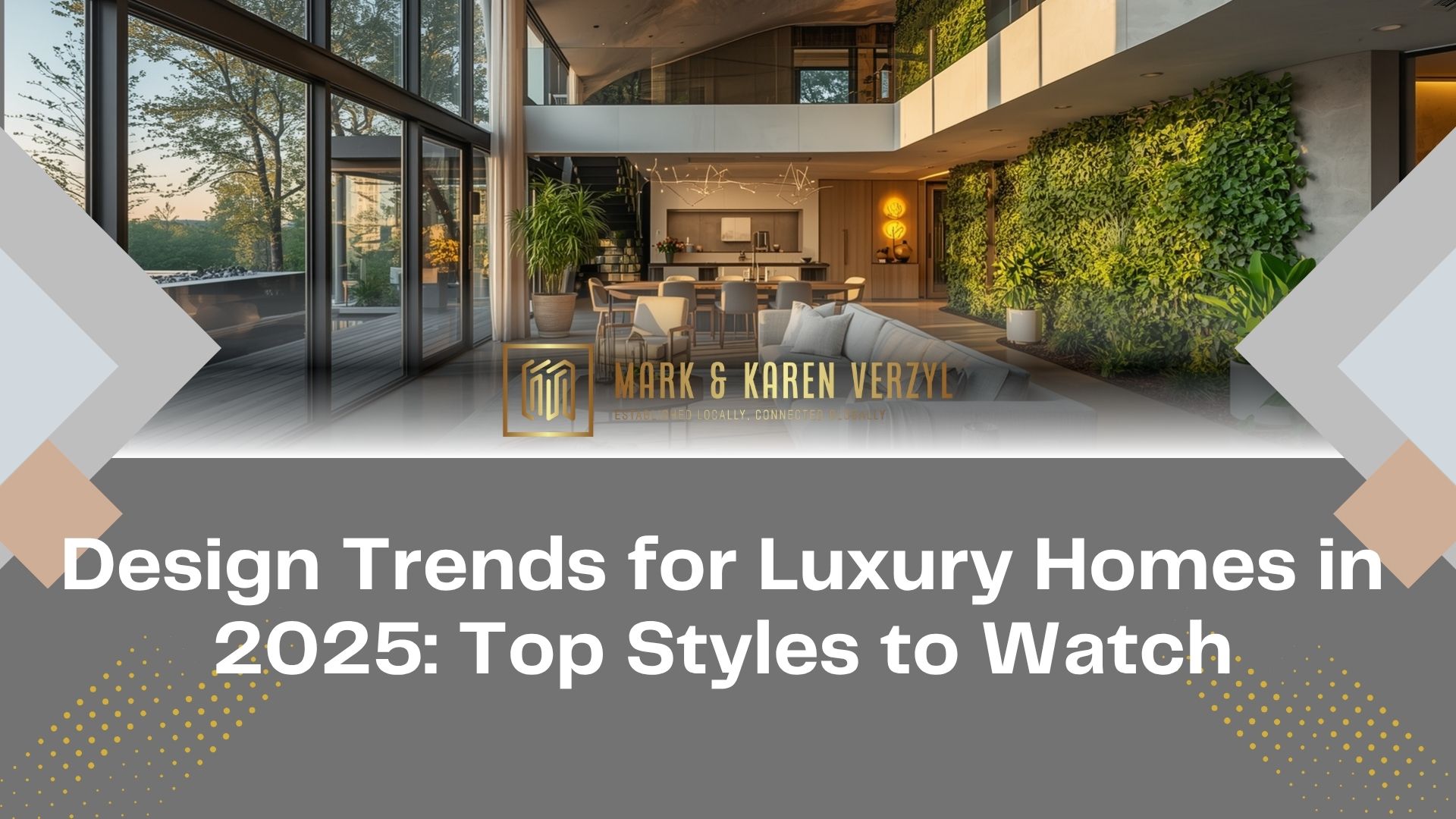
The luxury home design landscape is experiencing a revolutionary transformation as we move into 2025, with homeowners and designers embracing innovative approaches that blend cutting-edge technology, sustainable practices, and personalized aesthetics. These emerging trends reflect a fundamental shift in how we perceive and interact with our living spaces, moving beyond traditional concepts of luxury to embrace functionality, environmental consciousness, and wellness-focused design principles.
Today’s luxury homeowners are no longer satisfied with simply impressive square footage or expensive materials. Instead, they’re seeking homes that serve as sanctuaries, offering spaces that adapt to their lifestyles while supporting their physical and mental well-being. This evolution has given rise to design trends that prioritize flexibility, sustainability, and the seamless integration of technology into daily living.
The influence of global events over recent years has fundamentally altered our relationship with our homes, transforming them from mere living spaces into multifunctional environments that must accommodate work, entertainment, fitness, and relaxation. This shift has accelerated the adoption of design trends that emphasize versatility and comfort, while maintaining the sophisticated aesthetics that define luxury living.
Environmental consciousness has become a driving force in luxury home design, with discerning homeowners increasingly demanding sustainable solutions that don’t compromise on style or comfort. This trend extends beyond simple material choices to encompass entire design philosophies that consider the long-term impact of construction and living practices on both personal health and environmental sustainability.
The integration of smart home technology has evolved from a luxury add-on to an essential component of modern high-end homes. However, the focus has shifted from showcasing technology for its own sake to creating seamless, intuitive systems that enhance daily life without overwhelming the design aesthetic. This balance between innovation and elegance defines many of the most significant trends emerging in 2025.
Key Takeaways
For additional context, see this comprehensive guide.
- Biophilic Design Integration: Luxury homes in 2025 are incorporating extensive natural elements, including living walls, water features, and natural materials that create a seamless connection between indoor and outdoor environments, promoting wellness and reducing stress.
- Sustainable Luxury Materials: High-end homeowners are embracing eco-friendly materials such as reclaimed wood, recycled metals, and low-impact concrete alternatives that maintain luxury aesthetics while supporting environmental responsibility.
- Flexible Multi-Purpose Spaces: Room design is shifting toward adaptable spaces that can transform based on immediate needs, featuring moveable walls, convertible furniture, and technology that supports multiple functions within single rooms.
- Smart Home Integration: Advanced automation systems are becoming invisible parts of the home infrastructure, controlling lighting, climate, security, and entertainment through intuitive interfaces that blend seamlessly with interior design.
- Wellness-Focused Design: Luxury homes are incorporating dedicated spaces for physical and mental health, including home gyms, meditation rooms, spa-like bathrooms, and circadian lighting systems that support natural sleep cycles.
- Curved and Organic Architecture: Sharp angles and rigid lines are giving way to flowing, organic shapes that create more psychologically comfortable spaces while adding visual interest and sophistication to home design.
- Personalized Color Palettes: Custom color schemes are moving beyond neutral tones to include bold, personality-driven choices that reflect individual tastes while maintaining sophisticated appeal through careful coordination and high-quality finishes.
Overview of Luxury Home Design Evolution
For additional context, see detailed information on this topic.
The luxury home design industry is witnessing an unprecedented transformation as we enter 2025, driven by changing lifestyle priorities, technological advancement, and a growing awareness of environmental impact. This evolution represents more than aesthetic preferences; it reflects a fundamental reimagining of how luxury living spaces should function and feel in the modern world.
Traditional luxury home design often emphasized grandeur through scale, expensive materials, and formal arrangements that prioritized visual impact over daily functionality. Today’s approach to luxury design maintains sophistication while placing equal emphasis on livability, sustainability, and personal well-being. This shift has created opportunities for innovative design solutions that were previously considered incompatible with high-end aesthetics.
The concept of luxury itself has expanded to include experiences and feelings rather than simply material possessions. Homeowners now value spaces that provide emotional comfort, support their health goals, and adapt to their changing needs throughout different life stages. This broader definition of luxury has opened doors for design trends that prioritize psychological comfort and practical functionality alongside visual appeal.
Technology integration has become a defining characteristic of modern luxury homes, but the approach has matured significantly. Rather than showcasing technology as a status symbol, today’s luxury design incorporates smart systems that operate invisibly in the background, enhancing comfort and convenience without disrupting the aesthetic harmony of living spaces. This sophisticated approach to technology integration sets contemporary luxury homes apart from earlier attempts at smart home design.
Biophilic Design and Natural Integration
For additional context, see our in-depth resource.
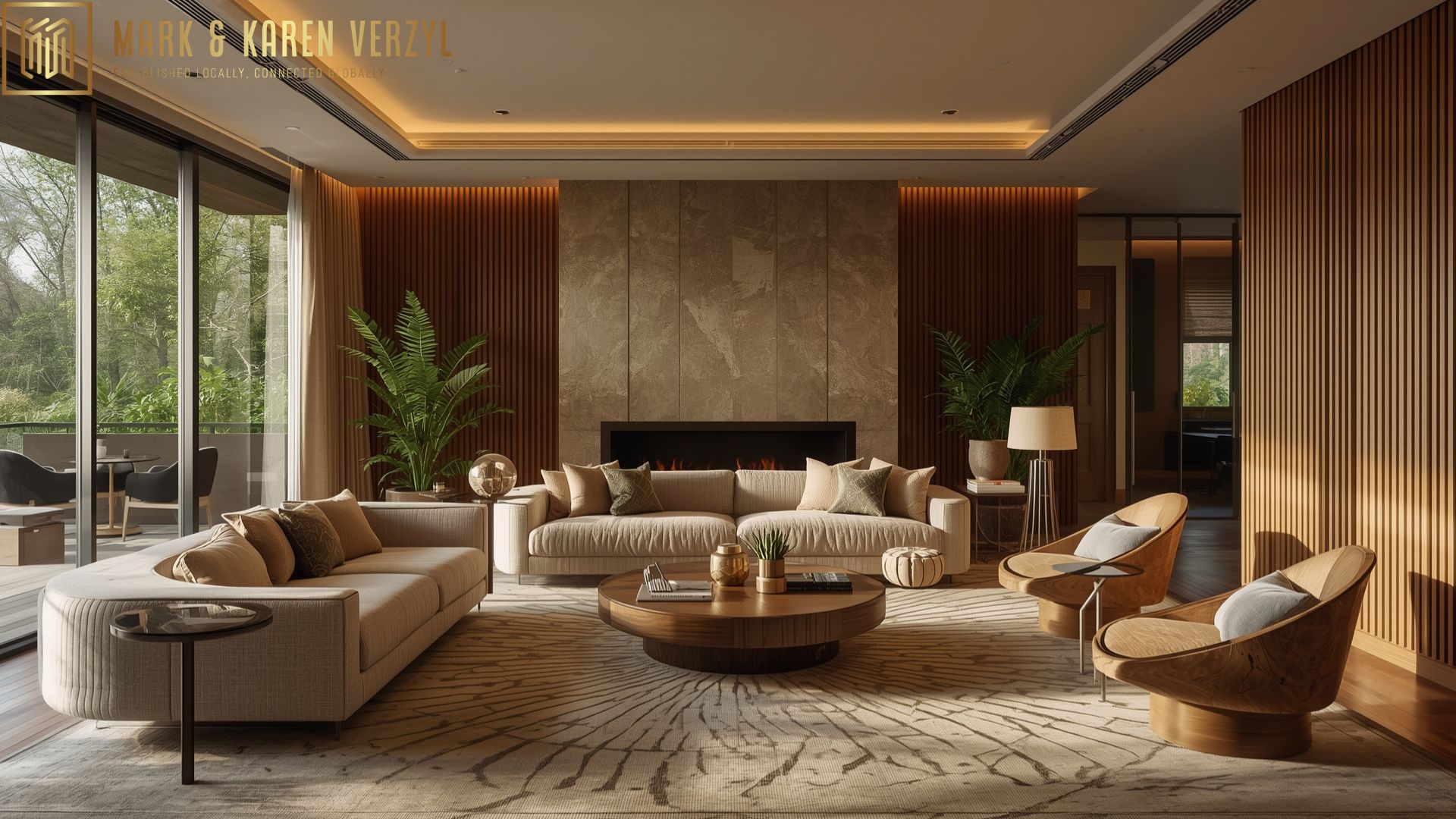
Biophilic design has emerged as one of the most significant trends in luxury home design for 2025, representing a sophisticated approach to incorporating natural elements that goes far beyond simple houseplants or wooden accents. This design philosophy recognizes the fundamental human need for connection with nature and translates that understanding into comprehensive design strategies that enhance both aesthetic appeal and occupant well-being.
The implementation of biophilic design in luxury homes involves multiple layers of natural integration, starting with the strategic use of natural materials throughout the living space. High-end homes are featuring extensive use of natural stone, reclaimed wood, and organic textiles that create tactile connections to the natural world. These materials are being used not just as accent pieces but as foundational elements that define the character of entire rooms.
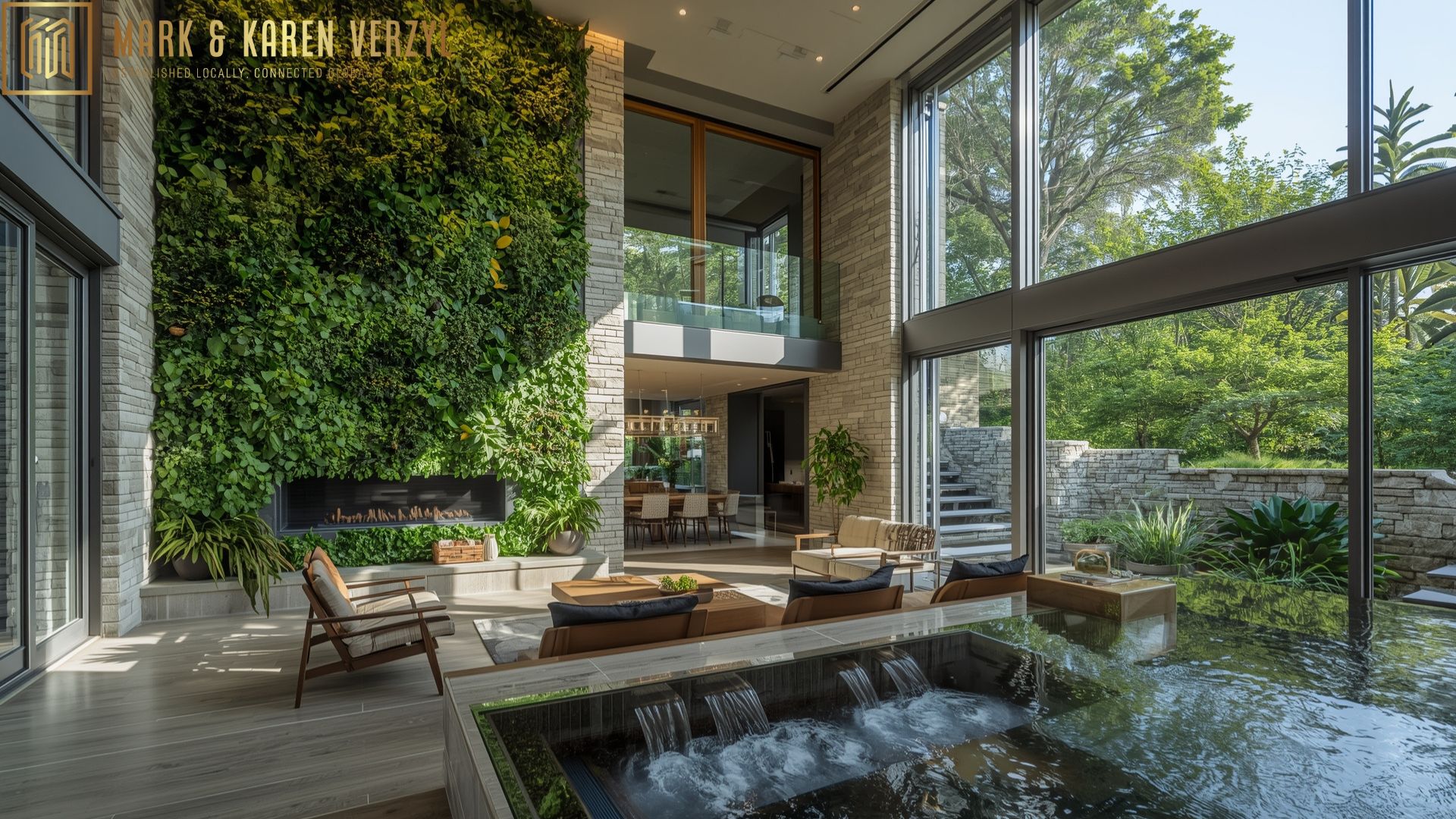
Living walls and vertical gardens have become signature features in luxury homes, serving as both artistic focal points and functional air purification systems. These installations range from small herb gardens in kitchen areas to dramatic multi-story plant walls in entrance halls or living rooms. The key to successful implementation lies in selecting plant varieties that thrive in indoor conditions while providing visual interest throughout different seasons.
Water features are being integrated into luxury home design with increasing sophistication, moving beyond traditional fountains to include elements such as indoor streams, reflection pools, and rain walls that create calming soundscapes while adding humidity to interior environments. These features are being designed to complement the overall aesthetic of the home while providing the psychological benefits associated with the presence of moving water.
Natural lighting optimization has become a crucial component of biophilic design, with luxury homes incorporating larger windows, skylights, and light wells that maximize exposure to natural light throughout the day. Advanced glazing technologies allow for extensive use of glass without compromising energy efficiency, creating bright, airy spaces that maintain strong connections to outdoor environments regardless of weather conditions.
The integration of outdoor living spaces with interior design has reached new levels of sophistication in 2025, with luxury homes featuring seamless transitions between indoor and outdoor areas through the use of retractable glass walls, consistent flooring materials, and coordinated color palettes that create unified living environments that extend beyond traditional building boundaries.
Smart Technology and Sustainable Systems
For additional context, see expert insights in this article.
The integration of smart technology and sustainable systems in luxury homes has reached a new level of sophistication in 2025, with homeowners demanding solutions that enhance their lifestyle while minimizing environmental impact. This trend represents a maturation of both smart home technology and sustainable design practices, resulting in systems that work seamlessly together to create truly intelligent living environments.
Advanced home automation systems are now capable of learning from occupant behavior patterns and automatically adjusting various home systems to optimize comfort, convenience, and energy efficiency. These systems can coordinate lighting, temperature control, security, and entertainment systems based on time of day, occupancy patterns, and personal preferences, creating personalized living experiences that adapt continuously to changing needs.
Energy management has become a cornerstone of luxury home design, with high-end properties incorporating comprehensive renewable energy systems that include solar panels, geothermal heating and cooling, and battery storage systems that can power the entire home during outages. These systems are being integrated into home design from the planning stages, ensuring that sustainable technology enhances rather than detracts from architectural aesthetics.
Water conservation and management systems in luxury homes now include rainwater harvesting, greywater recycling, and smart irrigation systems that monitor soil moisture and weather conditions to optimize water usage for landscaping. These systems are particularly valuable for homeowners who want to maintain beautiful outdoor spaces while minimizing their environmental footprint.
Air quality management has become a priority in luxury home design, with sophisticated HVAC systems that include advanced filtration, humidity control, and air purification technologies. These systems are often integrated with smart home platforms that monitor air quality in real-time and automatically adjust ventilation and filtration to maintain optimal indoor air conditions.
The concept of the connected home extends beyond basic automation to include comprehensive health and wellness monitoring systems that track everything from sleep quality to indoor environmental conditions. These systems provide valuable insights that help homeowners optimize their living environment for better health outcomes while maintaining the comfort and convenience expected in luxury properties.
Flexible and Multi-Functional Living Spaces
For additional context, see step-by-step instructions.
The demand for flexible and multi-functional living spaces has become a defining characteristic of luxury home design in 2025, reflecting the evolving needs of homeowners who require their living environments to adapt to various activities throughout the day and across different life stages. This trend goes beyond simple open floor plans to embrace innovative design solutions that maximize the utility of every square foot while maintaining the sophistication expected in high-end homes.
Moveable walls and modular room systems have gained popularity in luxury homes, allowing homeowners to reconfigure their living spaces based on immediate needs. These systems use high-quality materials and precision engineering to ensure that temporary walls and partitions maintain the same aesthetic standards as permanent architectural elements. The ability to transform a large entertaining space into multiple intimate areas, or combine several rooms for large gatherings, provides unprecedented flexibility in home use.
Convertible furniture has evolved significantly beyond traditional sofa beds and folding tables to include sophisticated pieces that can serve multiple functions without compromising on style or comfort. Luxury homes are featuring dining tables that convert to work surfaces, entertainment centers that conceal home office equipment, and seating areas that transform into exercise spaces, all designed with the same attention to detail and quality materials expected in high-end furnishings.
Home office integration has become essential in luxury home design, but the approach has shifted from dedicated office rooms to flexible work spaces that can be created and dismantled as needed. These solutions include hidden desk systems, technology integration that allows any room to become a functional office space, and acoustic design that ensures privacy and productivity regardless of location within the home.
Multi-generational living considerations have influenced luxury home design to include flexible spaces that can accommodate changing family dynamics over time. These designs feature areas that can serve as guest rooms, elderly parent suites, or independent living spaces for adult children, with separate entrances and utility connections that provide privacy while maintaining connection to the main home.
The integration of entertainment and wellness facilities within flexible spaces has become a hallmark of luxury home design, with areas that can transform from yoga studios to movie theaters, or from wine tasting rooms to fitness centers. These transformations are supported by sophisticated storage systems, integrated technology, and carefully planned lighting that can create appropriate ambiance for any activity.
For families considering their housing options, understanding the flexibility available in different property types can be valuable when making decisions about their living situation. Essential questions about property functionality can help determine whether a home will meet evolving family needs over time.
Wellness-Centered Design Philosophy
Wellness-centered design has emerged as a fundamental principle in luxury home design for 2025, representing a comprehensive approach to creating living environments that actively support physical health, mental well-being, and overall quality of life. This philosophy extends beyond aesthetic considerations to encompass every aspect of the home environment, from air quality and lighting to spatial layout and material selection.
Circadian lighting systems have become standard features in luxury homes, using advanced LED technology to automatically adjust color temperature and intensity throughout the day to support natural sleep-wake cycles. These systems can simulate sunrise and sunset, provide energizing blue light during morning hours, and transition to warm, relaxing tones in the evening, helping residents maintain healthy sleep patterns and improve overall energy levels.
Dedicated wellness spaces within luxury homes have evolved to include comprehensive facilities that support various aspects of health and fitness. These spaces often feature home gyms with professional-grade equipment, yoga and meditation rooms with specialized flooring and acoustic treatments, and spa-like areas with saunas, steam rooms, and therapeutic lighting. The design of these spaces emphasizes creating environments that encourage regular use while providing the same quality experience available at high-end wellness facilities.
Indoor air quality management has become a critical component of wellness-focused design, with luxury homes incorporating advanced air purification systems, natural ventilation strategies, and careful material selection to minimize indoor pollutants. These systems often include real-time air quality monitoring and automatic adjustments to maintain optimal conditions for respiratory health and overall comfort.
Acoustic design for wellness focuses on creating peaceful environments through strategic sound management, including the use of sound-absorbing materials, white noise systems, and careful planning of room layouts to minimize noise transfer between spaces. These considerations are particularly important in homes where work, relaxation, and active pursuits must coexist within the same building.
Ergonomic considerations in luxury home design extend beyond office furniture to include kitchen layouts that reduce strain during cooking, bathroom designs that support safe and comfortable daily routines, and storage solutions that minimize bending and reaching. These design elements are integrated seamlessly into the overall aesthetic, ensuring that health-supporting features enhance rather than compromise the visual appeal of living spaces.
Connection to nature through wellness design includes not only biophilic elements but also outdoor spaces specifically designed for health-supporting activities such as meditation gardens, walking paths, and outdoor exercise areas. These spaces are designed to provide year-round usability through careful plant selection, weather protection, and appropriate lighting for evening use.
Mark Verzyl’s Perspective on Luxury Home Trends
As a real estate professional with extensive experience in the Calgary luxury market, Mark Verzyl has observed firsthand how design trends significantly impact property values and buyer preferences. The evolution toward wellness-centered, sustainable, and technologically integrated homes represents more than aesthetic choices; these features have become essential selling points that distinguish properties in competitive luxury markets.
Mark notes that today’s luxury home buyers are increasingly sophisticated in their understanding of home systems and long-term value propositions. They recognize that investments in sustainable technology, flexible design, and wellness features not only enhance their daily living experience but also protect and potentially increase their property values over time. This awareness has led to more informed decision-making processes where buyers carefully evaluate the integration and quality of these advanced features.
The importance of proper planning and professional guidance cannot be overstated when implementing these design trends. Mark emphasizes that successful luxury home projects require coordination between experienced designers, contractors, and real estate professionals who understand both current market demands and long-term value considerations. The complexity of modern luxury homes, with their integrated systems and sophisticated design elements, makes professional expertise essential for achieving optimal results.
For buyers entering the luxury market, understanding the complete home buying process becomes even more critical when dealing with properties that feature advanced design elements and integrated systems. The evaluation and due diligence process for luxury homes requires additional considerations beyond traditional property assessments.
Market trends indicate that luxury properties incorporating these design elements are experiencing stronger demand and better price appreciation compared to traditional luxury homes that focus solely on size and expensive finishes. Buyers are willing to pay premium prices for homes that offer comprehensive lifestyle benefits and demonstrate thoughtful integration of modern design principles.
The investment potential of luxury homes with advanced design features extends beyond immediate market value to include operational cost savings through energy efficiency, reduced maintenance requirements through quality materials and smart systems, and enhanced marketability when it comes time to sell. These factors make properties with contemporary design trends attractive not only as homes but as sound financial investments.
Frequently Asked Questions
What are the most important design trends for luxury homes in 2025?
The most significant trends include biophilic design integration, smart technology systems, sustainable materials, flexible multi-functional spaces, wellness-centered design, and curved architectural elements. These trends focus on creating homes that support health, adapt to changing needs, and minimize environmental impact while maintaining sophisticated aesthetics.
How much do these design trends typically add to home construction costs?
Implementation costs vary significantly based on the extent and complexity of features chosen. Basic smart home integration might add 5-10% to construction costs, while comprehensive sustainable systems and wellness features can increase costs by 15-25%. However, these investments often provide long-term savings through energy efficiency and enhanced property values.
Are sustainable luxury design features worth the investment?
Sustainable features typically provide excellent return on investment through reduced operating costs, increased property values, and enhanced marketability. Energy-efficient systems, sustainable materials, and water conservation features often pay for themselves within 5-10 years while providing immediate lifestyle benefits and long-term value protection.
How can homeowners ensure smart home technology remains current?
The key is choosing systems with updateable software, standardized communication protocols, and modular designs that allow for component upgrades. Working with experienced professionals who understand technology integration helps ensure that smart home systems can evolve with advancing technology rather than becoming obsolete.
What wellness features provide the most value in luxury homes?
Circadian lighting systems, advanced air quality management, dedicated fitness spaces, and spa-like bathrooms tend to provide the most value in terms of daily use and market appeal. These features directly impact occupant health and comfort while appealing to a broad range of potential buyers.
How do flexible living spaces work in practice?
Flexible spaces use moveable walls, convertible furniture, and integrated technology to transform based on immediate needs. For example, a room might serve as a home office during the day, entertainment space in the evening, and exercise area in the morning, with each transformation supported by appropriate lighting, storage, and technology systems.
What should buyers look for when evaluating homes with these design trends?
Buyers should evaluate the quality of system integration, ease of use, maintenance requirements, and upgrade potential. It’s important to understand warranty coverage, ongoing maintenance costs, and whether systems are properly integrated rather than simply added as afterthoughts. Professional buyer representation can be particularly valuable when evaluating complex luxury properties.
How do these trends affect property resale values?
Properties incorporating these trends typically experience stronger market demand and better price appreciation. However, the key is quality implementation and timeless design principles that won’t appear dated quickly. Well-executed sustainable and wellness features tend to have the most positive long-term impact on property values.
Conclusion
The luxury home design trends emerging in 2025 represent a fundamental shift toward more thoughtful, sustainable, and health-conscious living environments that maintain the sophistication and quality expected in high-end properties. These trends reflect changing priorities among luxury homeowners who seek properties that enhance their daily lives while supporting their long-term well-being and environmental values.
The integration of biophilic design, smart technology, sustainable systems, and wellness-focused features creates homes that function as comprehensive lifestyle platforms rather than simply impressive living spaces. This evolution requires careful planning, professional expertise, and quality implementation to achieve optimal results that provide both immediate satisfaction and long-term value.
For prospective luxury home buyers and current homeowners considering updates, understanding these trends provides valuable insight into market directions and investment opportunities. The key to success lies in selecting features that align with personal lifestyle goals while maintaining broad market appeal and quality implementation standards.
As these trends continue to evolve, the luxury home market will likely see further innovations that push the boundaries of what’s possible in residential design. However, the fundamental principles of sustainability, wellness, and adaptability that define current trends are likely to remain relevant for years to come, making investments in these areas both personally rewarding and financially sound.
The future of luxury home design promises continued innovation and refinement of these concepts, creating even more sophisticated solutions for modern living challenges while maintaining the timeless appeal that defines truly exceptional properties.