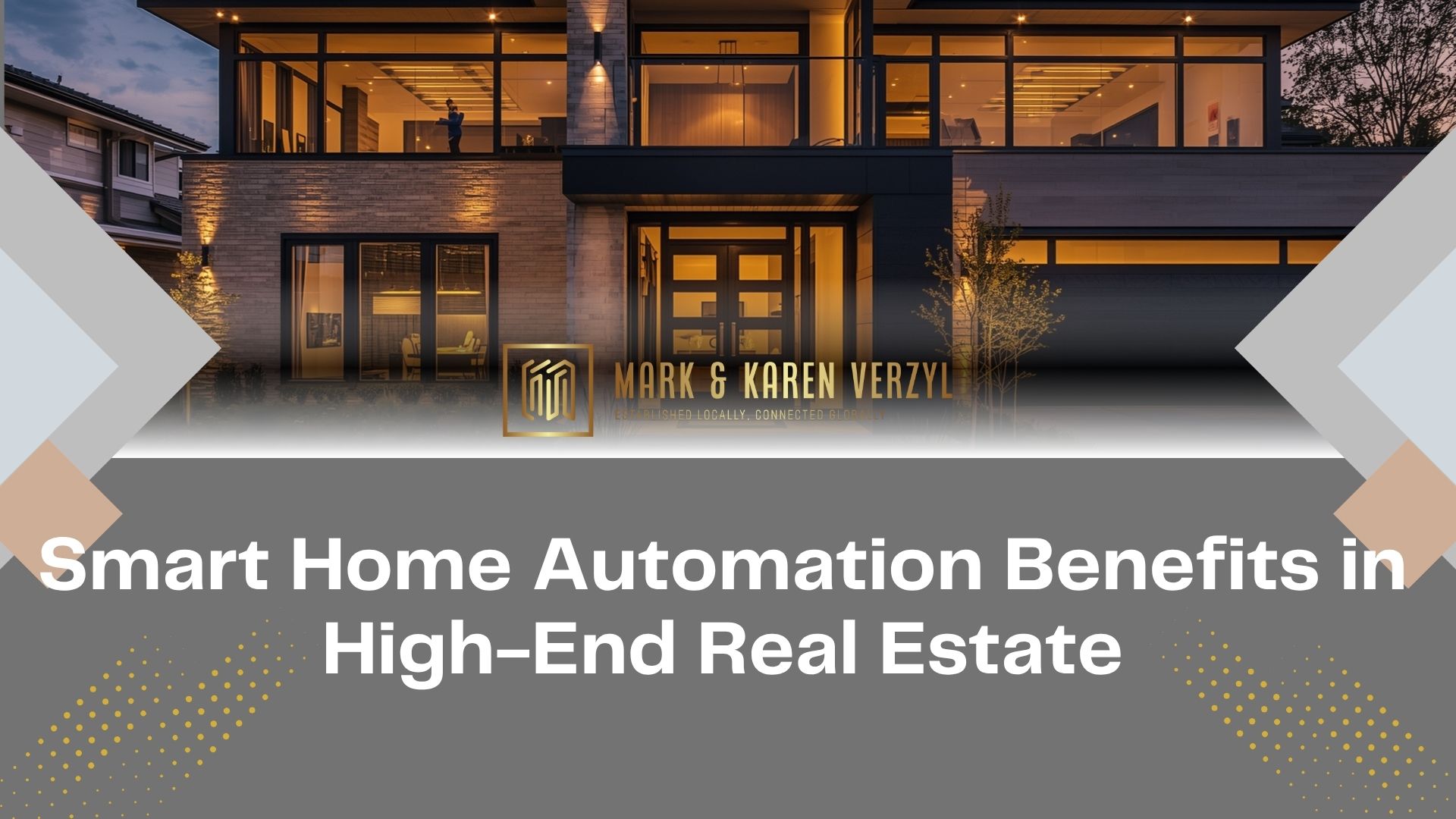
The luxury real estate market has witnessed a remarkable transformation as smart home automation technology becomes increasingly sophisticated and accessible. High-end properties now feature integrated systems that control everything from lighting and climate to security and entertainment, creating seamless living experiences that were once relegated to science fiction. These technological advances have fundamentally changed buyer expectations and property values in the premium real estate segment.
Smart home automation represents far more than convenience features or technological novelties. For discerning homeowners and real estate investors, these systems deliver tangible benefits that enhance daily living while protecting and increasing property investments. The integration of intelligent technology creates homes that anticipate needs, optimize energy consumption, and provide unprecedented levels of security and comfort.
The advantages of home automation extend beyond individual convenience to encompass broader considerations such as energy efficiency, property value appreciation, and long-term cost savings. Modern automation systems learn from occupant behaviors, adapt to preferences, and continuously optimize home operations to deliver superior living experiences while reducing environmental impact and operational costs.
Today’s luxury homebuyers increasingly view smart automation as essential rather than optional. Properties equipped with comprehensive automation systems command premium prices and sell faster than comparable homes without these features. This shift reflects growing awareness of automation benefits and the desire for homes that seamlessly integrate technology into daily routines.
The sophistication of current smart home technology allows for unprecedented customization and control. Homeowners can create personalized environments that respond to their schedules, preferences, and lifestyle patterns. Whether adjusting lighting for optimal productivity, maintaining perfect climate conditions, or ensuring comprehensive security coverage, automated systems deliver consistent, reliable performance that enhances quality of life.
Key Takeaways
For additional context, see this comprehensive guide.
- Enhanced Property Value: Smart home automation significantly increases property values, with studies showing premium homes featuring comprehensive automation systems selling for 3-5% more than comparable properties without these features. The technology investment typically provides strong returns through increased marketability and buyer appeal.
- Energy Efficiency Optimization: Advanced automation systems reduce energy consumption by 10-25% through intelligent climate control, automated lighting management, and optimized appliance operation. These savings compound over time, providing substantial cost reductions while supporting environmental sustainability goals.
- Comprehensive Security Integration: Modern smart security systems provide 24/7 monitoring, real-time alerts, and remote access capabilities that far exceed traditional security measures. Integration with automation platforms creates comprehensive protection that adapts to occupancy patterns and potential threats.
- Convenience and Lifestyle Enhancement: Automation eliminates routine tasks and creates personalized environments that adapt to individual preferences and schedules. From automated morning routines to evening entertainment settings, smart systems enhance daily living experiences.
- Remote Management Capabilities: Cloud-based automation platforms allow homeowners to monitor and control their properties from anywhere in the world. This capability proves particularly valuable for vacation homes, rental properties, and frequent travelers who need reliable remote access.
- Future-Proofing Investment: Smart home infrastructure positions properties for continued technology integration and upgrades. As automation technology advances, homes with established smart systems can easily incorporate new features and capabilities.
- Health and Wellness Monitoring: Advanced systems monitor air quality, humidity levels, and environmental conditions that impact health and comfort. Automated adjustments maintain optimal living conditions that support well-being and productivity.
Understanding Smart Home Automation in Luxury Real Estate
For additional context, see detailed information on this topic.
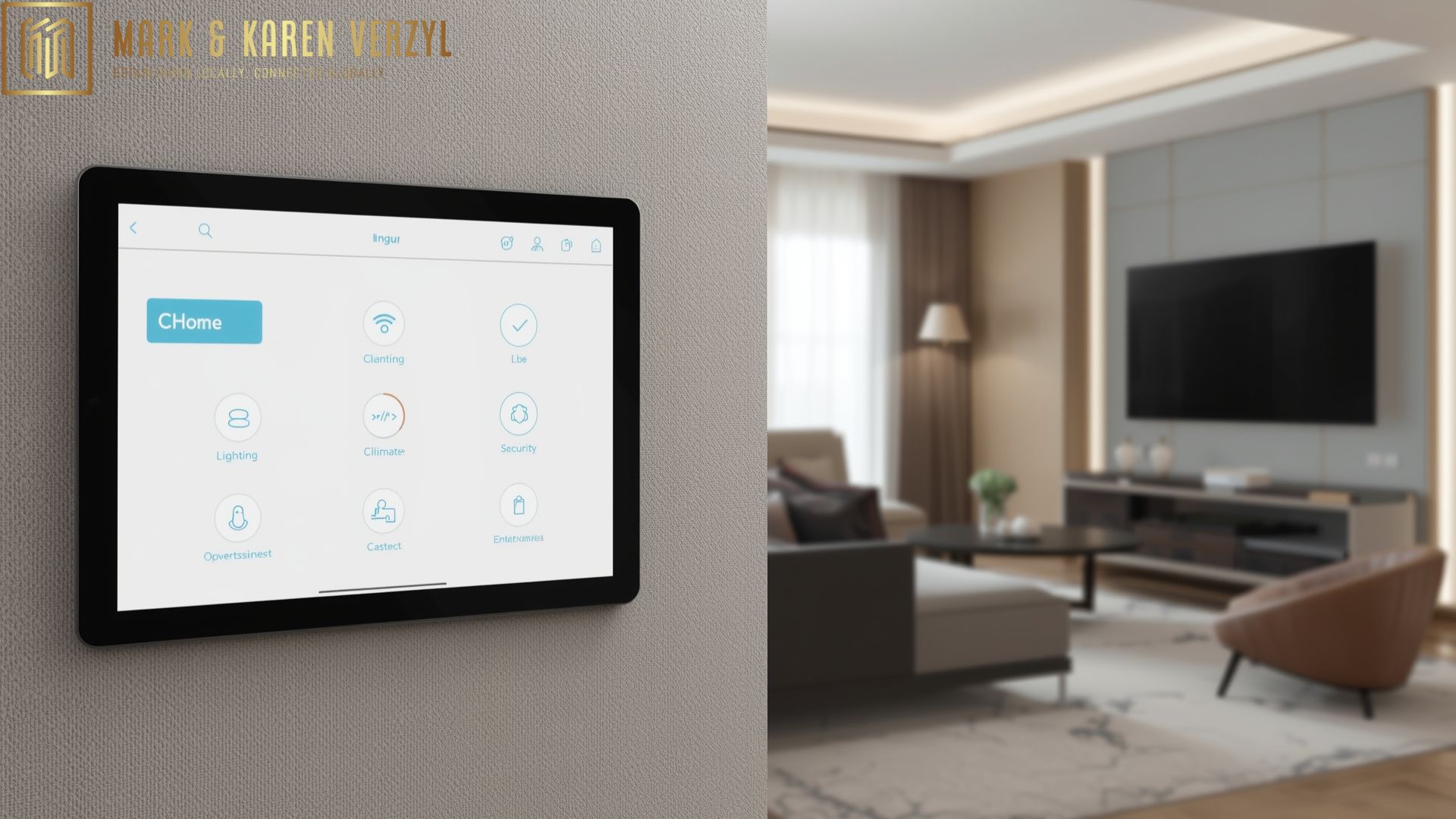
Smart home automation in high-end real estate encompasses integrated technology systems that control, monitor, and optimize various home functions through centralized platforms. These sophisticated networks connect lighting, climate control, security, entertainment, and appliance systems to create cohesive, intelligent environments that respond to occupant needs and preferences.
The foundation of effective smart home automation lies in robust networking infrastructure that supports seamless communication between devices and systems. Premium installations feature enterprise-grade wireless networks, hardwired connections for critical systems, and redundant communication pathways that ensure reliable operation even during network disruptions or equipment failures.
Modern automation platforms utilize artificial intelligence and machine learning algorithms to analyze usage patterns, predict needs, and optimize system performance. These intelligent systems learn from occupant behaviors, seasonal patterns, and environmental conditions to deliver increasingly personalized and efficient operation over time.
Integration capabilities distinguish luxury smart home systems from basic consumer products. Professional-grade automation platforms seamlessly connect diverse manufacturers’ products and systems, creating unified control interfaces that eliminate the complexity of managing multiple apps and controllers. This integration extends to legacy systems, allowing homeowners to incorporate existing equipment into comprehensive automation schemes.
The scalability of smart home automation systems enables gradual expansion and enhancement as needs evolve or new technologies emerge. Well-designed installations accommodate future additions and upgrades without requiring complete system overhauls, protecting initial investments while maintaining cutting-edge capabilities.
Enhanced Security and Safety Features
For additional context, see our in-depth resource.
Smart home automation revolutionizes residential security through integrated systems that provide comprehensive protection and real-time monitoring capabilities. Advanced security platforms combine traditional alarm systems with intelligent cameras, access controls, and environmental monitoring to create multi-layered protection that adapts to threats and occupancy patterns.
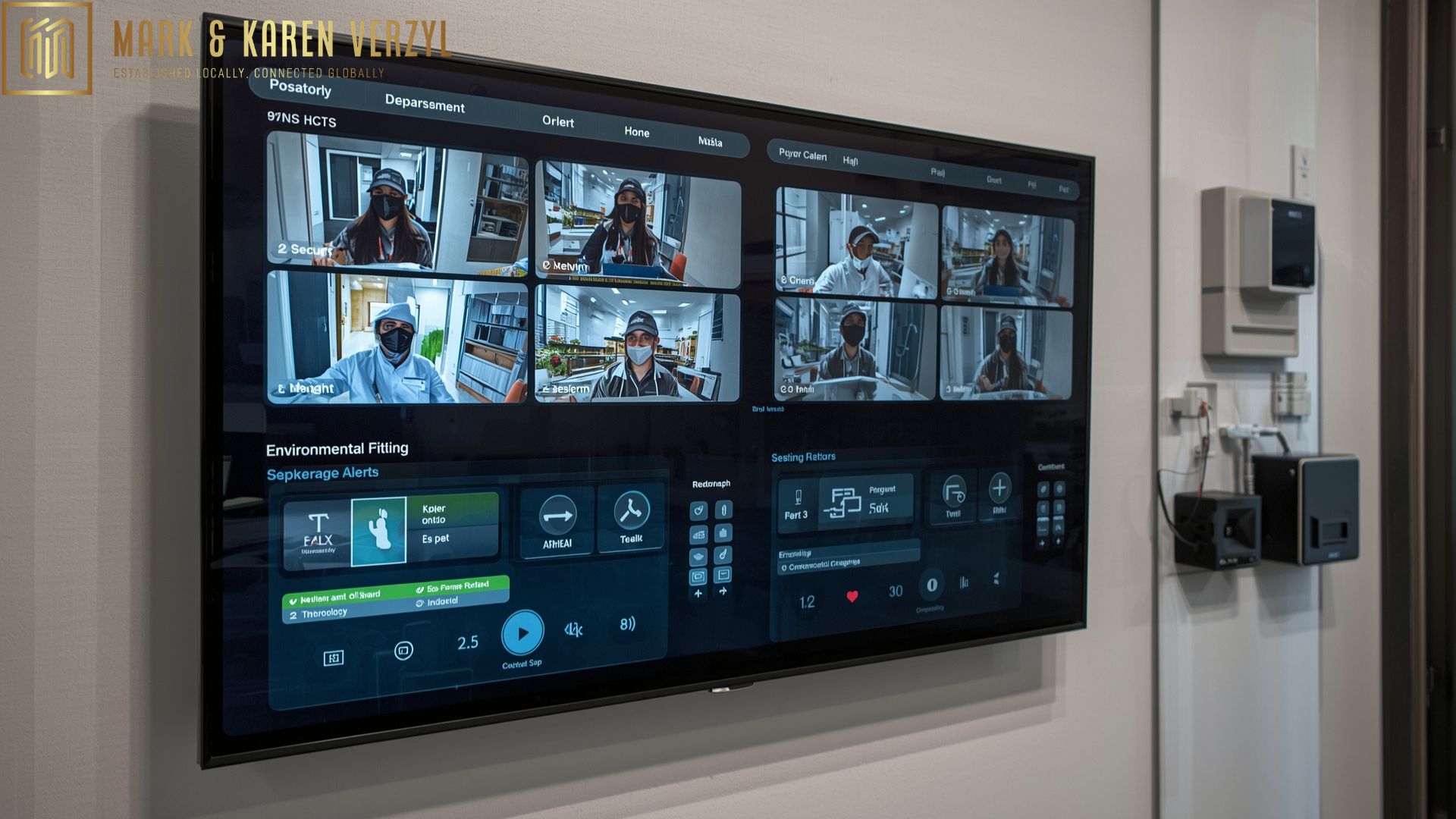
Intelligent surveillance systems utilize high-definition cameras with night vision, motion detection, and facial recognition capabilities to monitor property perimeters and interior spaces. These systems distinguish between routine activities and potential security threats, reducing false alarms while ensuring immediate notification of genuine concerns. Cloud storage and local backup systems preserve footage for investigation and insurance purposes.
Access control integration allows homeowners to manage entry permissions for family members, guests, and service providers through digital locks, keypad systems, and biometric scanners. Temporary access codes can be created for specific timeframes, providing convenient guest access while maintaining security protocols. Integration with automation systems enables automatic lighting and climate adjustments when authorized individuals enter the property.
Environmental monitoring capabilities detect smoke, carbon monoxide, water leaks, and other potential hazards that could threaten property or occupant safety. Smart sensors provide early warning of developing problems, enabling prompt intervention that prevents minor issues from becoming major damages. Automated responses can include shutting off water supplies, activating ventilation systems, or contacting emergency services.
Remote monitoring capabilities allow homeowners to check security status, view live camera feeds, and receive instant alerts regardless of their location. Mobile applications provide complete control over security systems, enabling real-time responses to alerts and the ability to grant emergency access to authorized individuals when necessary.
Integration with professional monitoring services combines automated detection capabilities with human oversight, ensuring appropriate responses to security events. These services can distinguish between false alarms and genuine emergencies, coordinating with local authorities when necessary while preventing unnecessary emergency responses that could result in fines or service restrictions.
Energy Efficiency and Environmental Control
Smart home automation delivers substantial energy efficiency improvements through intelligent management of heating, cooling, lighting, and appliance systems. Advanced climate control systems utilize occupancy sensors, weather data, and predictive algorithms to maintain optimal comfort levels while minimizing energy consumption and operational costs.
Zoned climate control systems allow precise temperature management in different areas of the home based on occupancy patterns and usage requirements. Automated scheduling ensures heating and cooling systems operate only when and where needed, while integration with occupancy sensors provides immediate adjustments when spaces become occupied or vacant. Smart thermostats learn from usage patterns and preferences to optimize comfort while reducing energy waste.
Intelligent lighting systems automatically adjust brightness levels, color temperatures, and operation schedules based on natural light availability, occupancy, and time of day. LED lighting integration with dimming controls and automated scheduling can reduce lighting energy consumption by 60-80% compared to traditional systems while providing superior lighting quality and convenience.
Appliance integration enables automated operation scheduling that takes advantage of off-peak energy rates and optimal operating conditions. Smart water heaters, pool equipment, and other energy-intensive systems can be programmed to operate during periods of lower electricity costs while maintaining service availability when needed.
Solar panel integration and battery storage systems work seamlessly with smart home automation to optimize renewable energy utilization and reduce dependence on grid electricity. Automated load management ensures critical systems receive priority during power outages while maximizing the value of solar energy production through intelligent consumption scheduling.
Real-time energy monitoring provides detailed insights into consumption patterns and identifies opportunities for additional efficiency improvements. Homeowners can track energy usage by system, time period, and activity to understand the impact of different behaviors and make informed decisions about energy management strategies.
Convenience and Lifestyle Enhancement
Smart home automation transforms daily routines through personalized environments that anticipate needs and eliminate mundane tasks. Automated morning routines can gradually increase lighting, adjust climate settings, start coffee preparation, and provide weather updates and schedule information to create seamless transitions from sleep to daily activities.
Entertainment system integration creates immersive experiences that combine audio, video, lighting, and climate control to establish perfect environments for different activities. Movie watching modes automatically dim lights, close window coverings, optimize audio settings, and adjust temperature for optimal comfort. Music playback can follow occupants throughout the home with synchronized audio systems that maintain consistent experiences across different spaces.
Automated scheduling capabilities manage routine tasks such as landscape irrigation, pool maintenance, and appliance operation without requiring constant attention or manual intervention. These systems adapt to weather conditions, seasonal requirements, and usage patterns to maintain optimal property conditions while minimizing resource consumption and operational costs.
Voice control integration allows natural language interaction with automation systems, enabling hands-free operation and instant adjustments to lighting, climate, entertainment, and other connected systems. Advanced voice recognition can distinguish between different family members and provide personalized responses and access to individual preferences and settings.
Vacation and travel modes automatically adjust home operations for extended absences, maintaining security while reducing energy consumption and creating the appearance of occupancy. Automated lighting schedules, climate adjustments, and security monitoring ensure properties remain protected and maintained during owner absences while minimizing operational costs.
Integration with personal devices and calendars enables automation systems to anticipate needs based on schedules and activities. Homes can prepare for arrivals by adjusting climate settings, activating lighting, and ensuring optimal conditions are ready when occupants return from work or travel.
Property Value and Market Appeal
Smart home automation significantly enhances property values and market appeal in the luxury real estate segment. Comprehensive automation systems distinguish properties from comparable listings and attract tech-savvy buyers who value convenience, efficiency, and modern amenities. Real estate professionals consistently report faster sales and premium pricing for well-equipped smart homes.
The return on investment for smart home automation typically ranges from 70-80% of installation costs in immediate property value increases, with additional benefits realized through energy savings and enhanced marketability. Properties featuring comprehensive automation systems often sell 20-30% faster than comparable homes without these features, reducing carrying costs and market exposure risks.
Buyer demographics increasingly favor properties with integrated technology systems, particularly among younger affluent purchasers who expect smart home capabilities as standard features rather than luxury additions. This demographic shift drives continued demand for automated properties and supports premium pricing for well-designed installations.
Documentation and transferability of automation systems add significant value during property sales. Professional installations with comprehensive documentation, warranty coverage, and user training ensure new owners can fully utilize system capabilities without extensive learning curves or additional investment in setup and configuration.
Smart home features often become key selling points that differentiate properties in competitive markets. Unique automation capabilities, energy efficiency certifications, and integration with renewable energy systems appeal to environmentally conscious buyers while demonstrating forward-thinking property management and maintenance approaches.
Working with experienced real estate professionals who understand smart home technology ensures proper marketing and valuation of automated properties. As Mark Verzyl, a Calgary real estate expert, emphasizes the importance of highlighting technology features and their benefits when marketing luxury properties to maximize buyer interest and achieve optimal pricing.
For investors considering automation upgrades, understanding rental yield implications helps evaluate the financial benefits of smart home investments. Additionally, buyers should work with knowledgeable professionals who can guide them through essential questions when evaluating smart home features during the property selection process.
Frequently Asked Questions
What is the average cost of smart home automation in luxury properties?
Comprehensive smart home automation systems for luxury properties typically range from $50,000 to $200,000, depending on home size, feature complexity, and integration requirements. Basic automation packages start around $20,000, while fully integrated systems with premium features can exceed $300,000 for large estates.
How reliable are smart home automation systems?
Professional-grade smart home systems achieve 99%+ uptime when properly installed and maintained. Redundant communication pathways, backup power systems, and professional monitoring ensure continued operation even during network disruptions or equipment failures.
Can smart home automation be added to existing luxury homes?
Yes, retrofit installations can add comprehensive automation to existing properties. While new construction allows for optimal integration, experienced installers can incorporate smart systems into existing homes with minimal disruption and excellent results.
What ongoing maintenance do smart home systems require?
Smart home systems require annual professional maintenance, regular software updates, and periodic equipment calibration. Most systems include remote monitoring capabilities that identify potential issues before they affect performance, minimizing unexpected maintenance requirements.
How do smart home features affect home insurance?
Many insurance providers offer discounts for homes with smart security and monitoring systems. Advanced fire detection, water leak monitoring, and security systems can reduce premiums by 5-15% while providing enhanced protection against claims.
Are smart home systems secure from cyber threats?
Professional smart home installations include enterprise-grade cybersecurity measures such as encrypted communications, isolated networks, and regular security updates. Working with reputable installers ensures proper security protocols protect against unauthorized access.
Can smart home automation help with energy efficiency certifications?
Yes, smart home systems contribute significantly to LEED, Energy Star, and other efficiency certifications. Automated energy management, monitoring capabilities, and integration with renewable energy systems support green building requirements and environmental goals.
What happens to smart home systems during power outages?
Quality smart home installations include battery backup systems and integration with whole-house generators to maintain operation during power outages. Critical systems like security and communications typically have 24-48 hours of backup power, while full automation can continue with generator support.
Conclusion
Smart home automation represents a transformative investment for luxury real estate properties, delivering tangible benefits that enhance daily living while protecting and increasing property values. The integration of intelligent technology creates homes that anticipate needs, optimize efficiency, and provide unprecedented levels of convenience and security.
The advantages of home automation extend far beyond technological novelty to encompass practical benefits that improve quality of life and financial returns. Energy efficiency improvements, enhanced security capabilities, and lifestyle enhancements combine to create compelling value propositions for discerning homeowners and investors.
As technology continues advancing and buyer expectations evolve, smart home automation will become increasingly essential for maintaining competitiveness in the luxury real estate market. Properties without comprehensive automation systems may face challenges attracting buyers and achieving optimal pricing as smart features become standard expectations rather than premium amenities.
For those considering smart home investments, working with experienced professionals ensures optimal system design, installation, and integration that maximizes benefits while protecting long-term value. The complexity of modern automation systems requires expertise in both technology and real estate to achieve successful implementations that deliver promised benefits.
Whether purchasing a smart-enabled property or upgrading an existing home, understanding the complete home buying process and working with knowledgeable real estate professionals like experienced buyer’s agents ensures informed decisions that align with individual needs and investment goals. Smart home automation represents not just a technological upgrade, but a strategic investment in future-ready properties that deliver lasting value and enhanced living experiences.